Some of the shops we link to are partners who may pay us when you buy through them. This doesn't change which pieces we recommend. How this works.
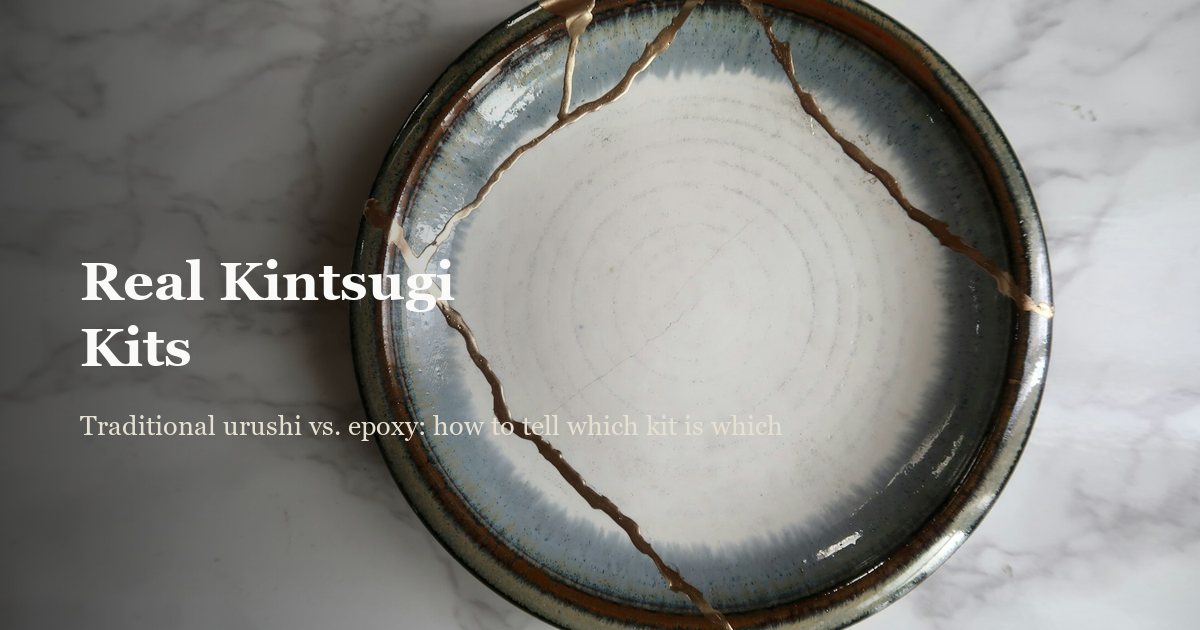
Quick answer: if you’re repairing something you’ll actually eat or drink from, get the Chimahaga Kintsugi Repair Kit — Basic, which lists natural urushi lacquer and real gold powder by name and gram weight on its own spec sheet. Most kits sold under “food-safe” and “dishwasher-proof” labels use epoxy or linseed resin with a gold-colored mica powder instead, which is a different repair method wearing the same name.
Comparison at a Glance
| Kit | Material | Real Gold? | Food-Safe for Tableware? | Price |
|---|---|---|---|---|
| Chimahaga — Basic | Natural urushi lacquer | Yes, 0.1g gold powder | Yes, once fully cured | $159.00 |
| Chimahaga — Standard | Natural urushi lacquer | Yes, more gold + silver tools | Yes, once fully cured | $185.00 |
| PLEARTY Starter Edition | Linseed resin | No (“Metallic Gold Mica Powder”) | Not recommended | ~$35 |
| CHIYU Bio | Cashew-shell resin/glue | No (gold-colored pigment) | Disputed (see below) | ~$40–50 |
Prices checked directly on each retailer’s site and Amazon.com on August 29, 2026; treat as a starting point, not a live quote.
Why “Kintsugi Kit” on Amazon Doesn’t Mean What You Think
“Urushi” has no legal definition, so a manufacturer can label a product “urushi” without it containing any actual sap from the urushi tree. Terms like “shin-urushi,” “synthetic urushi,” and “cashew lacquer” all describe synthetic or semi-synthetic coatings that are a different material from natural urushi, according to kintsugi retailer ANYTSUGI’s materials guide. Most budget kits sold on Amazon use one of two substitutes instead of urushi: epoxy resin or linseed/bio resin, mixed with a gold-colored mica or brass powder rather than real gold.
That distinction is not just cosmetic. Japan’s positive-list system for synthetic-resin tableware coatings has been in effect since June 1, 2020, and a five-year transition period for products already on the market ended May 31, 2025 — meaning full compliance became mandatory that June, not that the rule is itself new (Japan Consumer Affairs Agency, positive list system for food utensils and containers). The agency’s own page addresses synthetic resins generally and doesn’t name cashew-resin lacquer specifically, so treat “cashew resin no longer qualifies” as a reasonable reading of a synthetic-resin rule rather than a rule that names kintsugi coatings by name. Outside Japan this specific law doesn’t apply, but the underlying chemistry does: brass or copper powder (common substitutes for real gold) can react with acidic foods like tomato sauce or citrus, and mixing a non-food-grade colorant into an otherwise food-safe epoxy is a commonly cited way resin manufacturers’ own food-safety claims stop applying. None of that means every epoxy kit is dangerous for its intended use (most are sold for decorative objects, not dinnerware), but it does mean the “food-safe” and “dishwasher-proof” labels on a $35 resin kit and the ones on a $159 urushi kit aren’t backed by the same thing.
Three checks separate the two categories, in order of how much they matter:
- Does the listing say “natural urushi” specifically? “Urushi” alone, or “cashew lacquer,” isn’t enough to tell you which material you’re getting.
- Is the metallic finish gold or silver powder, specifically? Brass, copper, and mica pigments are cosmetic substitutes, not the same material.
- Does the kit list ingredient quantities? A spec sheet with gram weights (Chimahaga’s is a good example) is a stronger signal than marketing copy alone.
Chimahaga Kintsugi Repair Kit — Basic
Chimahaga runs an in-person kintsugi workshop in Japan, and this kit ships the same materials used in that class: raw urushi (5g), benagara urushi (5g), gold powder (0.1g), plus kokuso and tonoko powders and the full set of application tools (spatula, brush, art knife, sandpaper, diamond file). The brand states plainly that once the urushi has fully cured, the repair is food-safe, consistent with the natural-urushi-plus-real-gold combination that both Japan’s tableware regulation and independent kintsugi guides treat as the safe standard.
Pros:
- Ingredient list with actual gram weights, not just “contains urushi”
- Real gold powder, not a gold-colored substitute
- Comes with the full tool kit (spatula, brush, sandpaper, diamond file), not just the lacquer
Cons:
- Urushi needs weeks to fully cure before the piece is food-safe again, versus same-day for epoxy kits
- Urushiol (the sap’s active compound) can cause a poison-ivy-like skin reaction, so gloves are mandatory while working
Bottom line: the pick if you’re repairing something you’ll put food or drink in.

Chimahaga Traditional Kintsugi Repair Kit
Food-safe, genuine gold, Japanese urushi DIY kit. 4.1★ (54 ratings).
Chimahaga Kintsugi Repair Kit — Standard
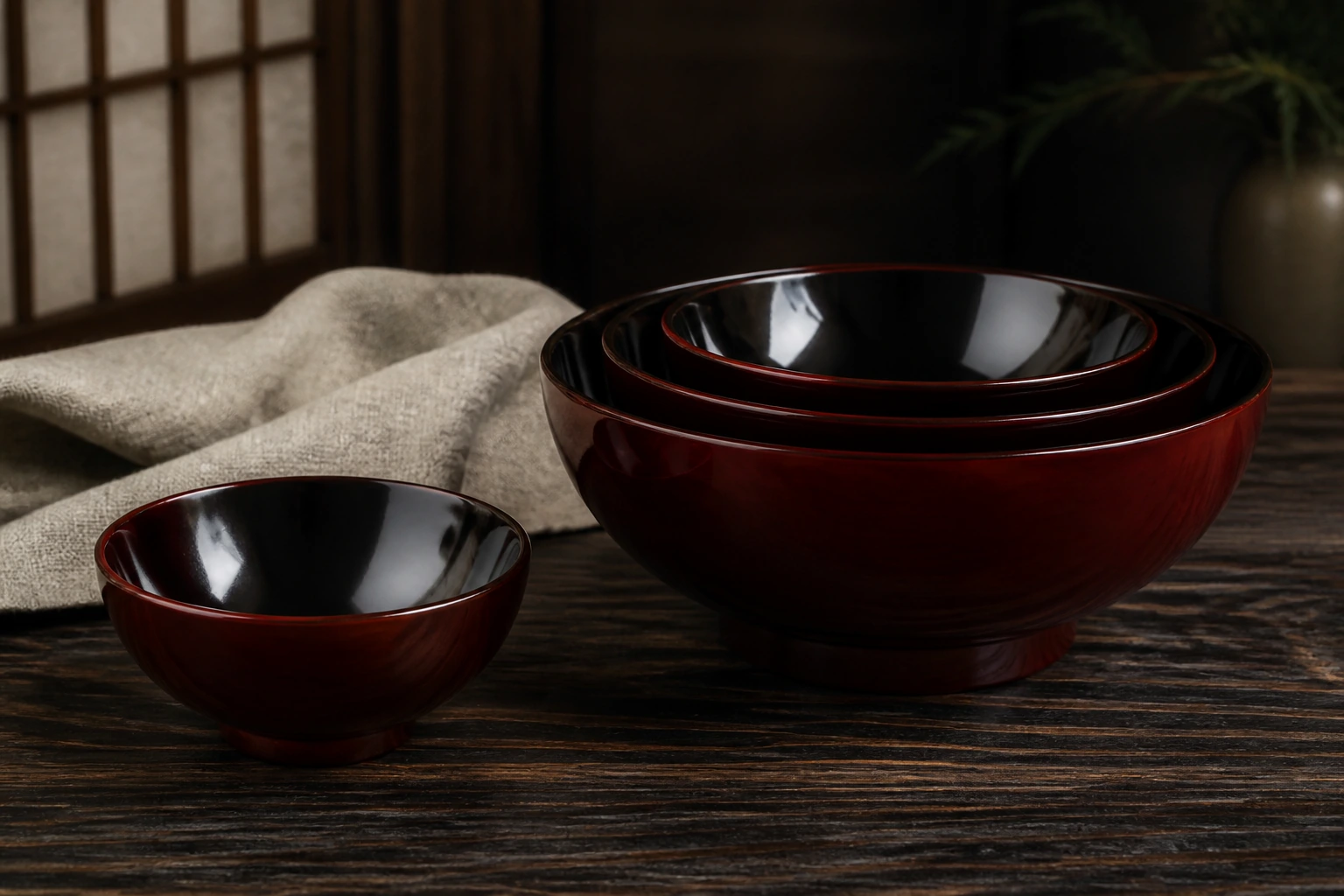
The step-up version from the same workshop, with a larger materials allowance for bigger or multiple repairs. Same natural-urushi-plus-real-gold materials as the Basic kit, at a higher price for more of it.
Pros:
- Same verified real-urushi, real-gold materials as the Basic kit
- More material included, useful for larger breaks or more than one piece
- Same instructional video and artisan support as the Basic kit
Cons:
- $26 more than the Basic kit, which is enough material for most single-item repairs
- Same weeks-long cure time before the piece is food-safe
Bottom line: worth the difference only if you’re repairing something larger than a single cup or bowl. Check the current listing on Chimahaga’s site (plain link — Chimahaga isn’t a partner shop for this site; see how this works).
The Kits to Know Before You Buy Them
Two kits show up repeatedly in “kintsugi kit” search results and are worth understanding rather than buying if your goal is a food-safe repair, not because they’re scams but because their own product listings describe a different material than urushi.
PLEARTY Starter Edition is one of the best-selling kintsugi kits on Amazon (Amazon’s Choice, 4.5 stars from 123 reviews), and its own product title names the material: “Metallic Gold Mica Powder” mixed into a linseed resin. Mica is a mineral pigment, not gold, and linseed resin is not urushi. The listing markets the result as food-safe and dishwasher-proof once cured, which may hold up fine for a decorative object, but doesn’t match the natural-urushi-plus-real-gold standard that both Japan’s tableware regulation and independent kintsugi guides use for food contact.
CHIYU’s “Bio” kit uses a resin made from cashew shells rather than epoxy, marketed as meeting EU and US food-safety standards. Cashew-shell resin is exactly the “cashew lacquer” material Japan’s 2025 tableware rule now excludes from food-contact use. That doesn’t necessarily make the US or EU marketing false under those regions’ own rules, but it does mean the material isn’t the same as urushi, whatever the product name implies.
Neither kit is linked here, since the point of this section is the material distinction, not a recommendation against either brand specifically.
Which One Should You Buy?
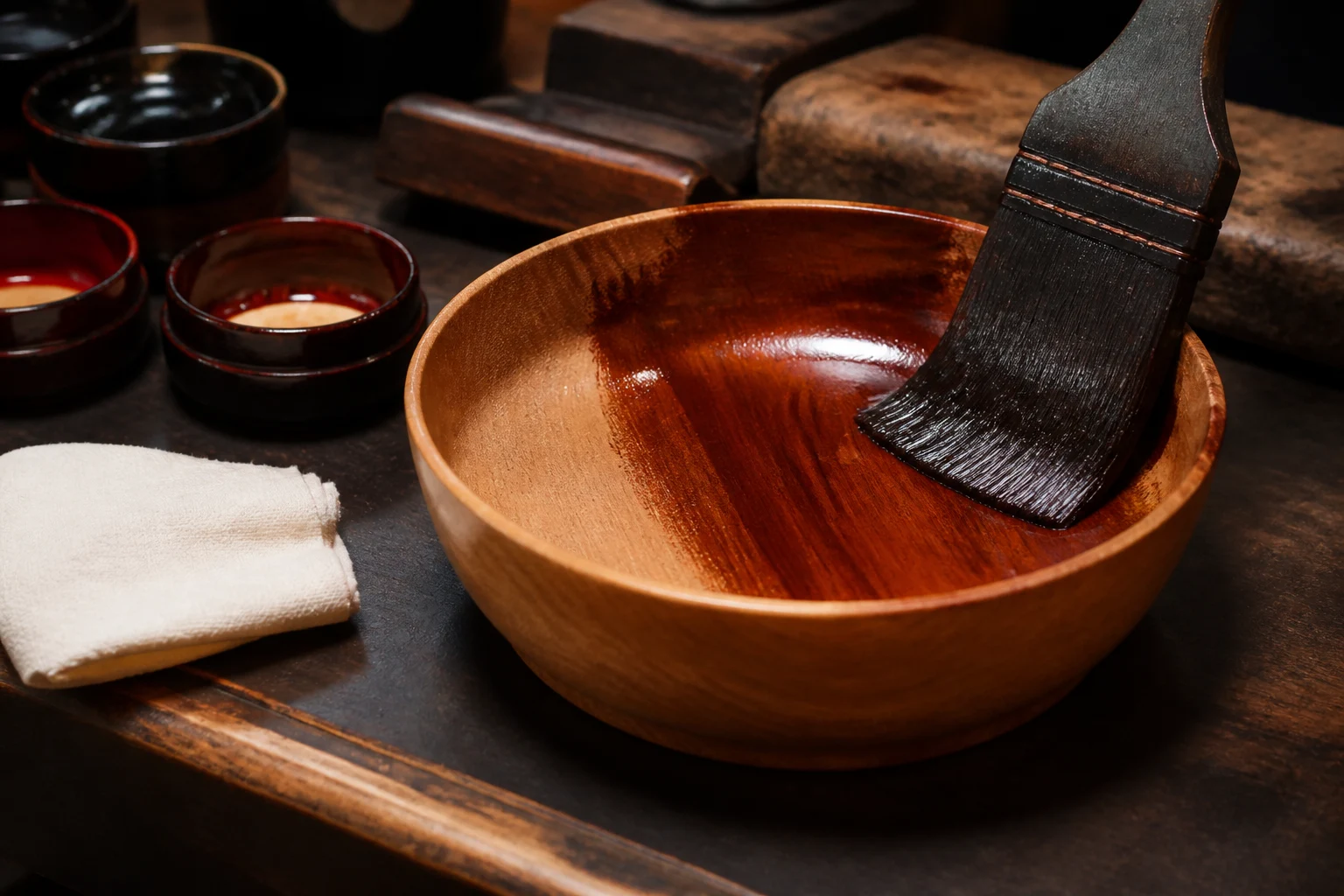
- Repairing tableware you’ll actually eat or drink from: get the Chimahaga Basic kit: real urushi, real gold, by the gram.
- Repairing something larger, or more than one piece: step up to the Chimahaga Standard kit.
- Repairing a decorative object you’ll never put food in (a vase, a figurine, a picture frame): a resin or epoxy kit is a reasonable, faster-curing choice. Just don’t expect it to meet the same food-safety bar as urushi.
- Not sure which category your piece falls into: if there’s any chance it’ll touch food again, treat it as tableware and use natural urushi.
FAQ
Is kintsugi always food-safe? No. Traditional kintsugi using natural urushi lacquer and real gold or silver powder is food-safe once the urushi has fully cured, typically after several weeks. Simplified kintsugi kits using epoxy or resin with a gold-colored mica, brass, or copper powder generally aren’t held to the same standard, regardless of what the packaging claims.
Why does the listing say “food-safe” if the material isn’t urushi? Some resin brands do carry a food-safety certification on their own, but that certification is typically voided once an additional colorant or powder is mixed in, according to at least one epoxy manufacturer’s own published guidance. A “food-safe” claim on the finished, colored product isn’t automatically backed by the same testing as the base resin.
How can I tell if a kintsugi kit uses real gold? Check whether the listing specifically says “gold powder” or “genuine gold,” rather than “gold-colored,” “metallic gold,” or a named pigment like mica. Kits that list exact quantities (grams of urushi, grams of gold powder) are giving you more to verify than kits that only describe the finished look.
Can I use a resin kintsugi kit on anything? Yes, for decorative objects that won’t contact food: vases, ornaments, picture frames. The concern is specifically about tableware, where the repaired seam will regularly touch food or drink.
Will urushi trigger an allergic reaction? It can. Urushiol, the compound in raw urushi sap, is chemically related to the irritant in poison ivy and can cause a similar skin reaction while wet. Wearing gloves during the repair is standard practice, and the reaction risk drops once the urushi has fully cured, though people with a known sensitivity may still react even after curing.
Final Thoughts
The gap between a $35 kit and a $159 kit isn’t really about price. It’s about which material is doing the work. If you’re repairing a plate or mug you plan to keep using at the table, the Chimahaga Basic kit’s natural urushi and real gold match the standard both Japanese regulation and independent kintsugi sources treat as genuinely food-safe. For a decorative piece, the cheaper resin kits are a reasonable shortcut. Just go in knowing that’s what they are. For more on spotting the gap between “Japanese-style” marketing and what a spec sheet actually says, see our buyer’s checklist for real vs. knockoff Japanese craft.