Articles
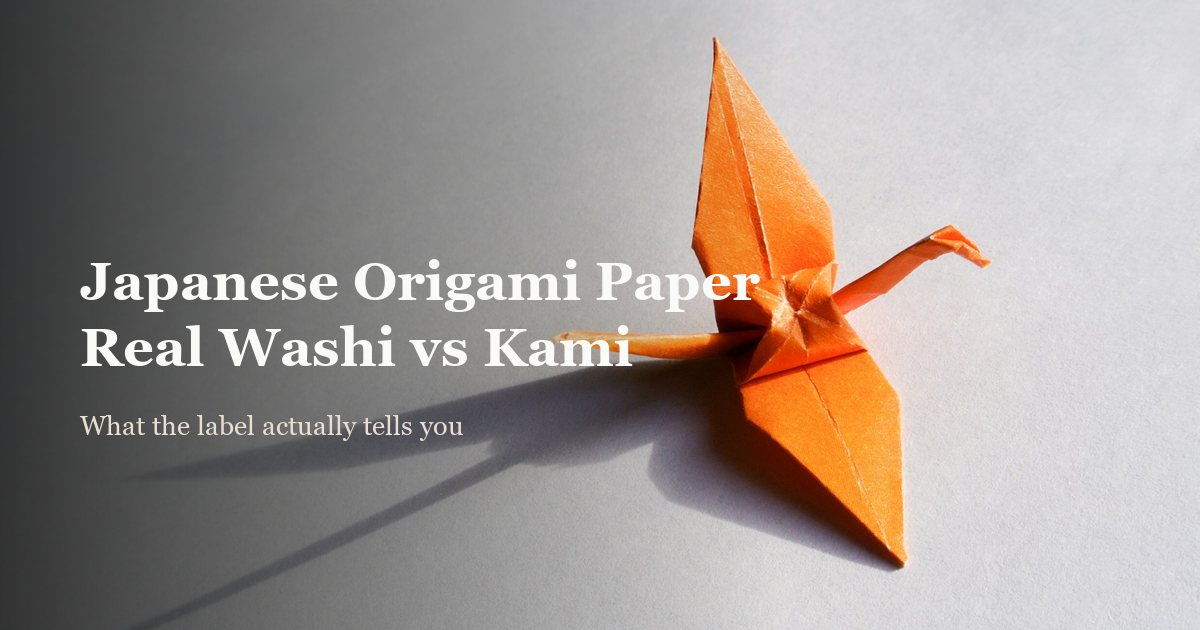
Best Japanese Origami Paper: Real Washi vs Regular Kami
Most origami paper sold as "washi" is printed kami, not kozo-fiber washi. Three Japan-made packs from Toyo, Taro's, and JapanBargain, and what each label means.
Petty Knife vs Paring Knife: Which Small Knife Do You Need?
A Japanese petty knife works on the cutting board; a paring knife works in your hand. Sizes, weights, and prices of Japan-made examples, and which one to buy first.
What Size Gyuto Should You Get? 210mm vs 240mm
The same Japan-made gyuto in 180, 210, 240, and 270mm: what the extra length adds in weight and price, and the cutting-board measurement that decides it.
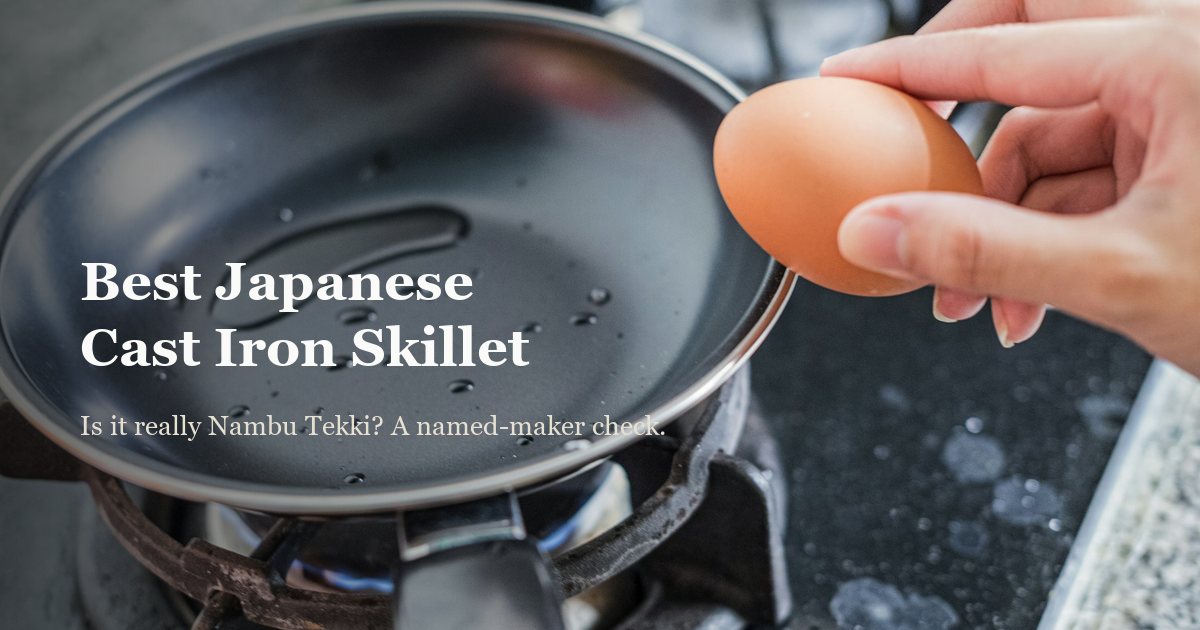
Best Japanese Cast Iron Skillet: Is It Really Nambu Tekki?
"Nambu Tekki" isn't protected outside Japan: a Chinese court gave the trademark to a third party in 2018. How to find a skillet made by a named Iwate ironworks.
Best Japanese Tenugui Towels: Actually Made in Japan?
Tenugui isn't a protected name, so look for a named maker and a stated "Made in Japan" in the listing. Two picks that clear that bar, and one that doesn't.
Benriner Mandoline Slicer Review: Worth Buying?
Benriner has made Japan's standard kitchen mandoline since the 1940s. How the standard, compact, and Super Slicer sizes compare, and which one is worth buying.
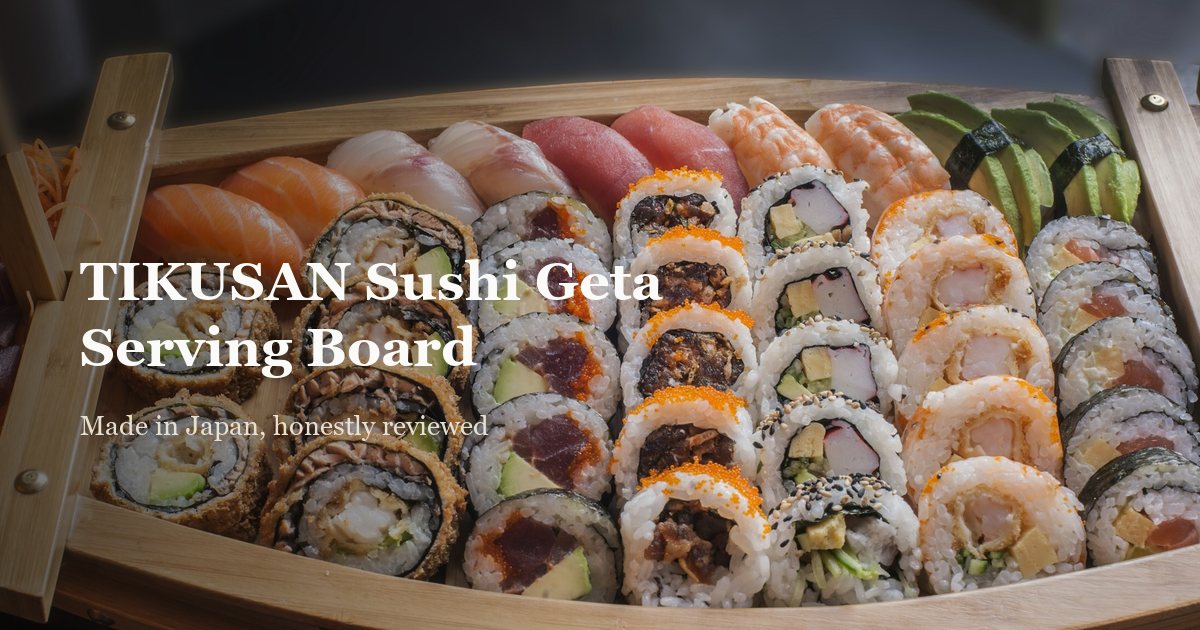
TIKUSAN Sushi Geta Serving Board Review: Made in Japan?
TIKUSAN's hinoki sushi geta states Made in Japan in its product details. What the two sizes cost, and why the review count is worth checking first.
Whetstone Grit Guide: What Each Number Actually Does
A plain guide to whetstone grit numbers, from 400 to 12000, what each range is actually for, and which of our reviewed Japanese whetstones fits where.
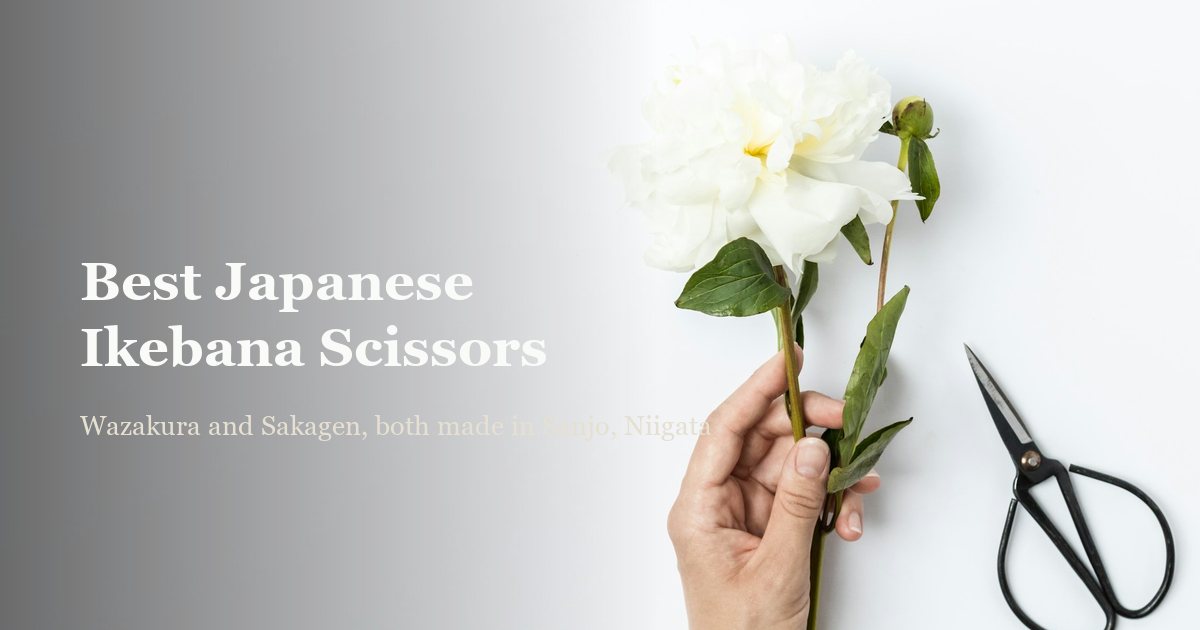
Best Japanese Ikebana Scissors: Actually Made in Japan?
Wazakura and Sakagen both trace back to Sanjo, Niigata, and name it directly on the listing. Most 'ikebana scissors' on Amazon never say where they're forged.

Best Japanese Koro Incense Burner: Actually Made in Japan?
Hasegawa and Asayu Japan name a kiln region (Mino ware, Gifu) on their koro incense burners. Most 'Zen incense burner' listings on Amazon name none at all.
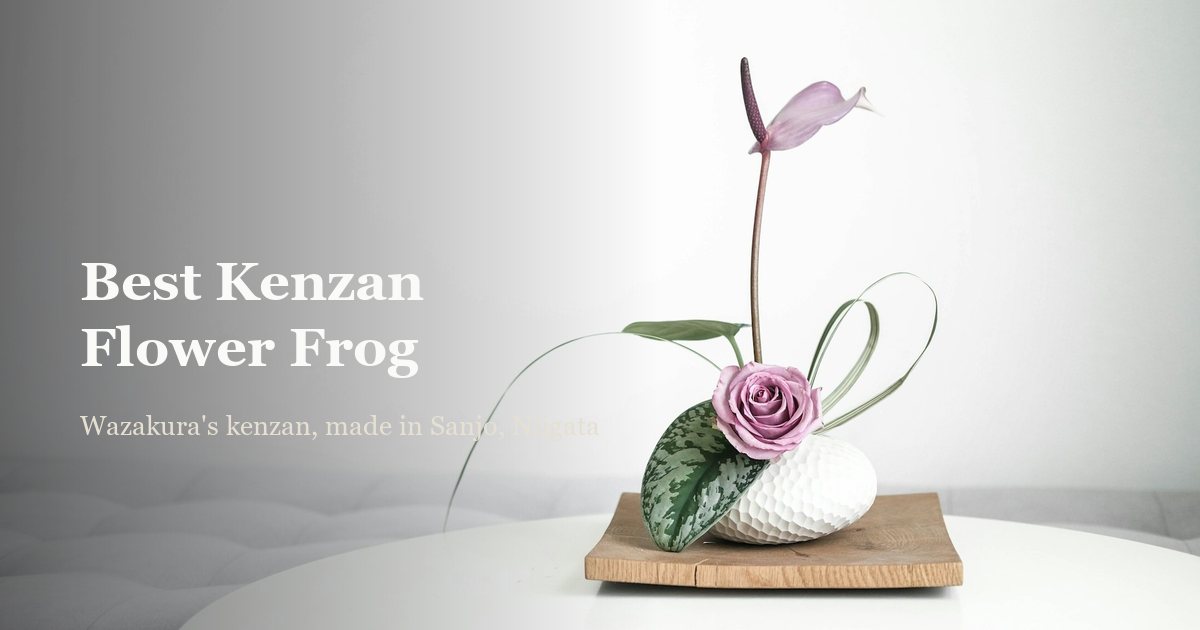
Best Kenzan Flower Frog: Actually Made in Japan?
Wazakura's kenzan pin frogs list Sanjo, Niigata as their origin. Most other 'ikebana flower frog' listings on Amazon never say where they're forged.
Best Hinoki Bath Stools: Actually Made in Japan?
Three real hinoki bath stools from Amazon and Japanese Taste, checked against a $114 IPPINKA listing that skips the Made in Japan field entirely.
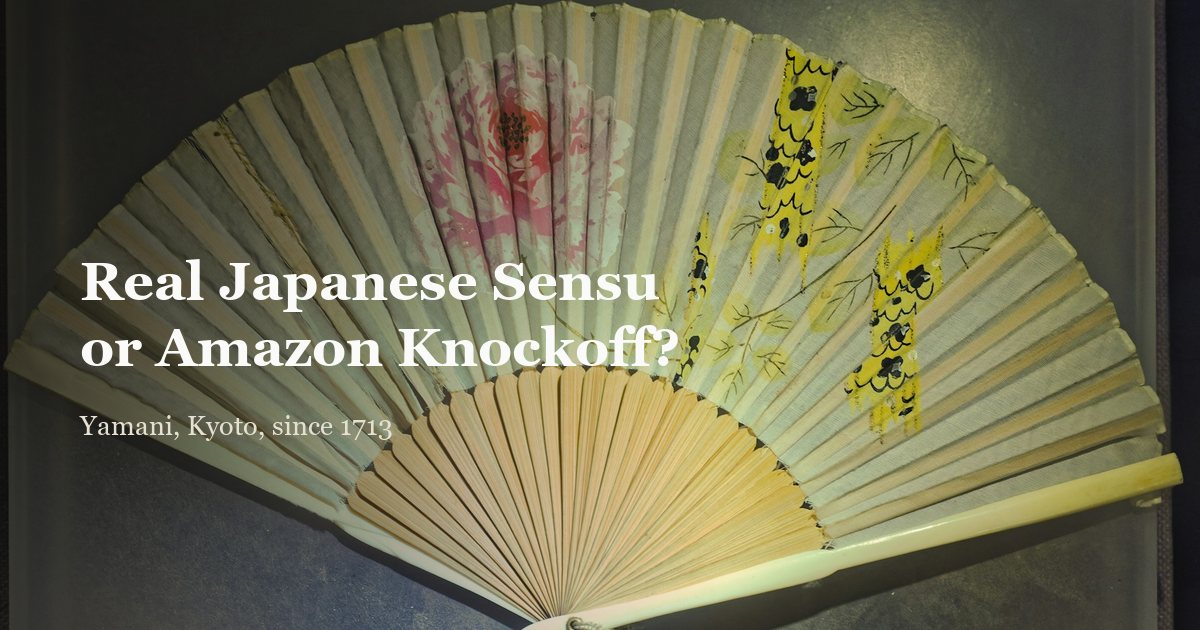
Best Japanese Sensu Folding Fans: Actually Made in Japan?
Yamani has made sensu in Kyoto since 1713. Most Amazon 'Japanese' folding fans are labeled Chinese Japanese Fan and never say where they're made.
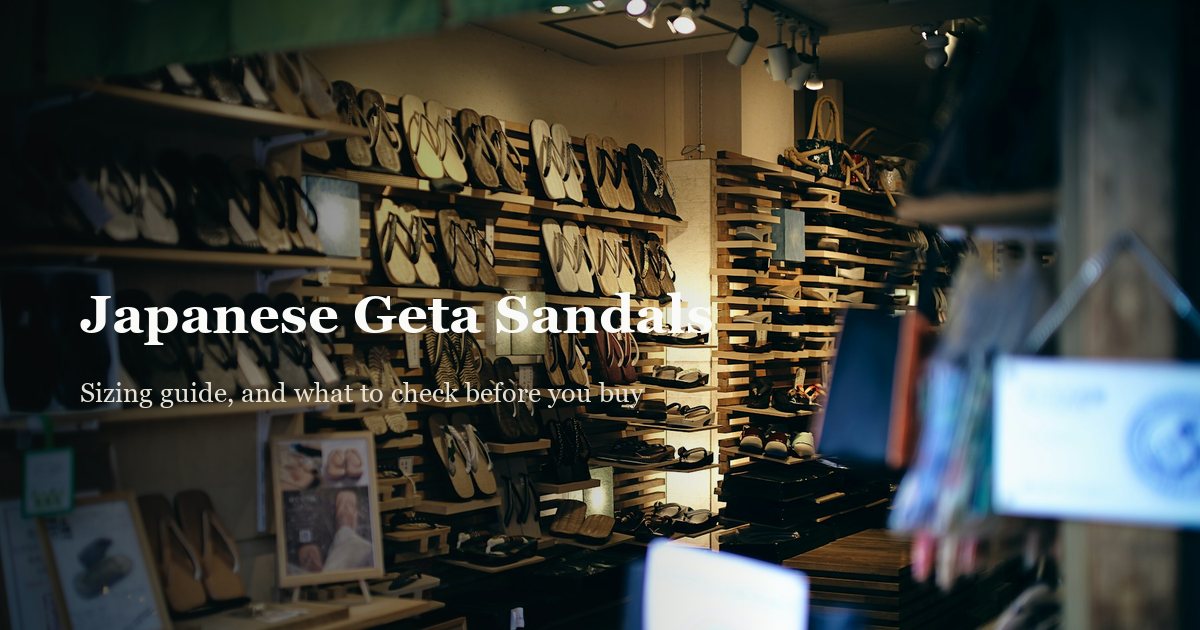
Japanese Geta Sandals: Sizing Guide and What to Check
Geta are meant to overhang the heel by about an inch, which most buyers size against. Plus what to check before buying, since no Amazon listing states origin.
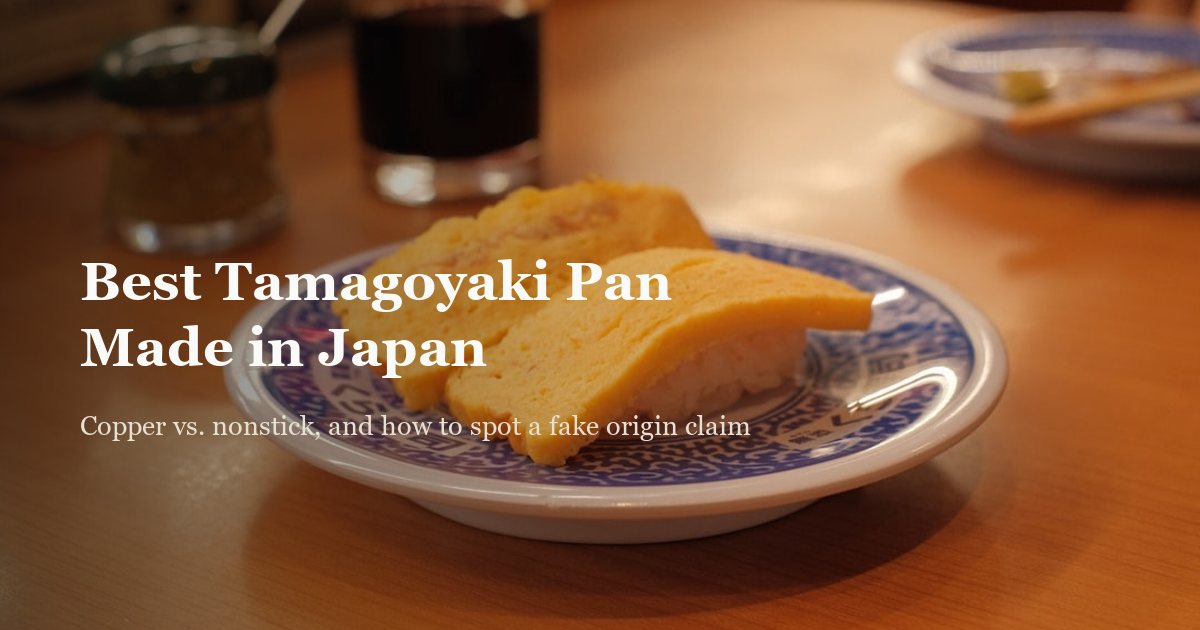
Best Japanese Tamagoyaki Pan Made in Japan (2026)
A popular 'Japanese Omelette Pan' on Amazon is openly labeled Made in Korea. Two real Japan-made picks, plus how to check country of origin before you buy.
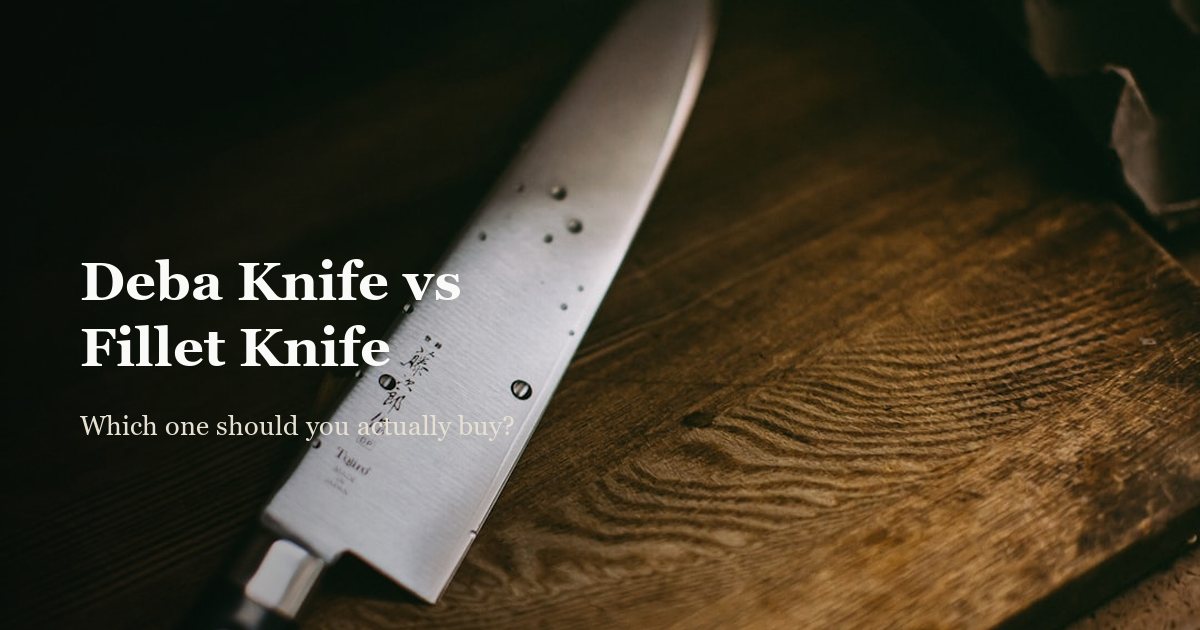
Deba Knife vs Fillet Knife: Which Should You Buy?
A Japanese deba knife and a Western fillet knife solve the same problem, breaking down fish, in almost opposite ways. Here's which fits how you cook.

Is Your Furin Wind Chime Real Japanese Glass?
Most 'Japanese furin' wind chimes online are unbranded imports with no origin claim. Here's what a genuine hand-blown Edo furin looks like, and how to tell.
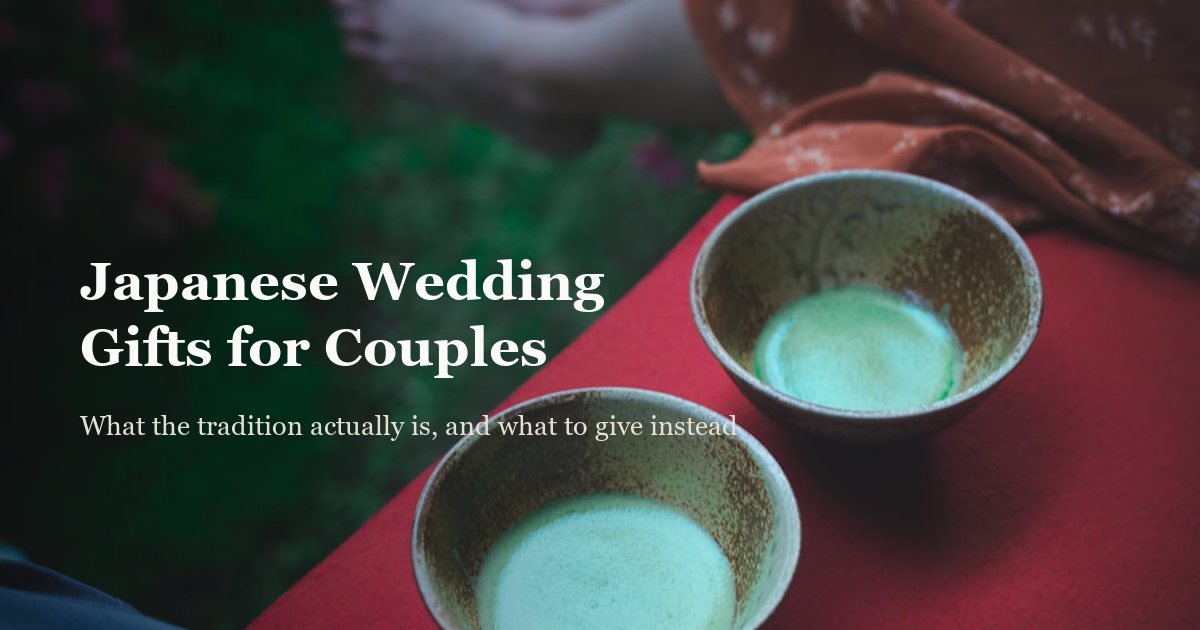
Japanese Wedding Gifts for Couples: What to Actually Give
The real Japanese wedding tradition is cash in a shugi-bukuro envelope, not tableware. For a lasting gift instead, here are 3 real picks that fit the custom.
King vs. Shapton Whetstone: Which Should You Buy?
King's combination stone covers two grits in one soak-first stone; Shapton's splash-and-go ceramic sharpens one grit at a time. Here's the real tradeoff.
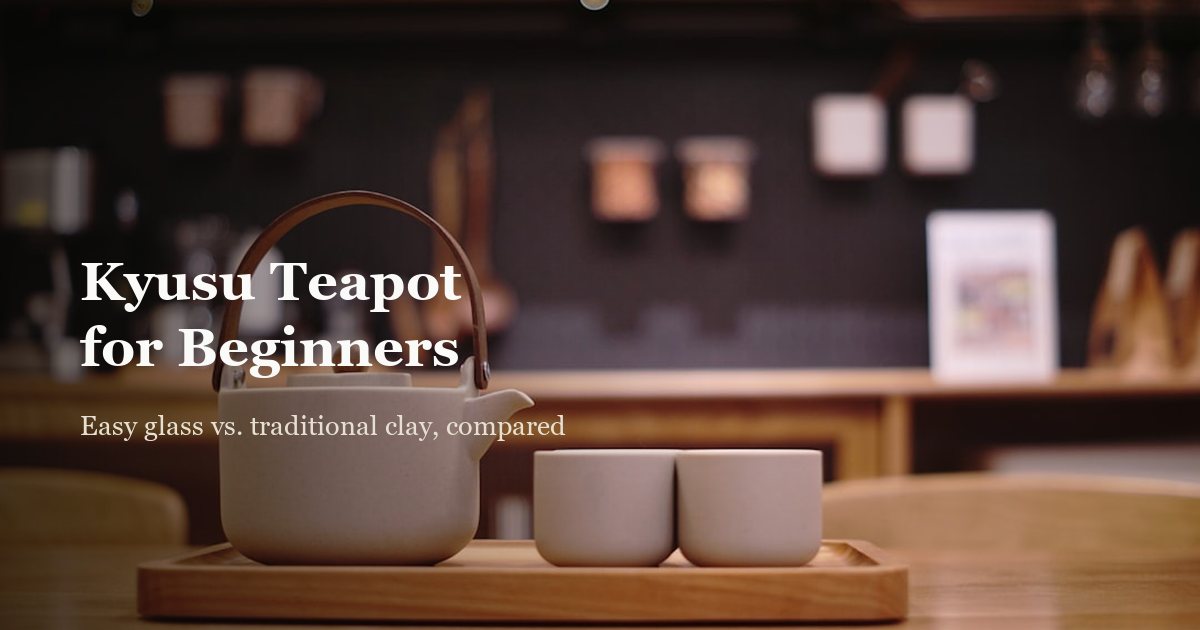
Kyusu Teapot for Beginners: Which One Should You Buy?
A dishwasher-safe glass kyusu is the easiest real first teapot. A traditional Tokoname or Banko one rewards the extra care with better tea. How to pick.
Shapton vs. Naniwa Whetstone: Which Should You Buy?
Shapton stones are harder and ready instantly; Naniwa stones are thicker, need a brief soak, and last more resurfacings. At the same grit, the edge is a draw.
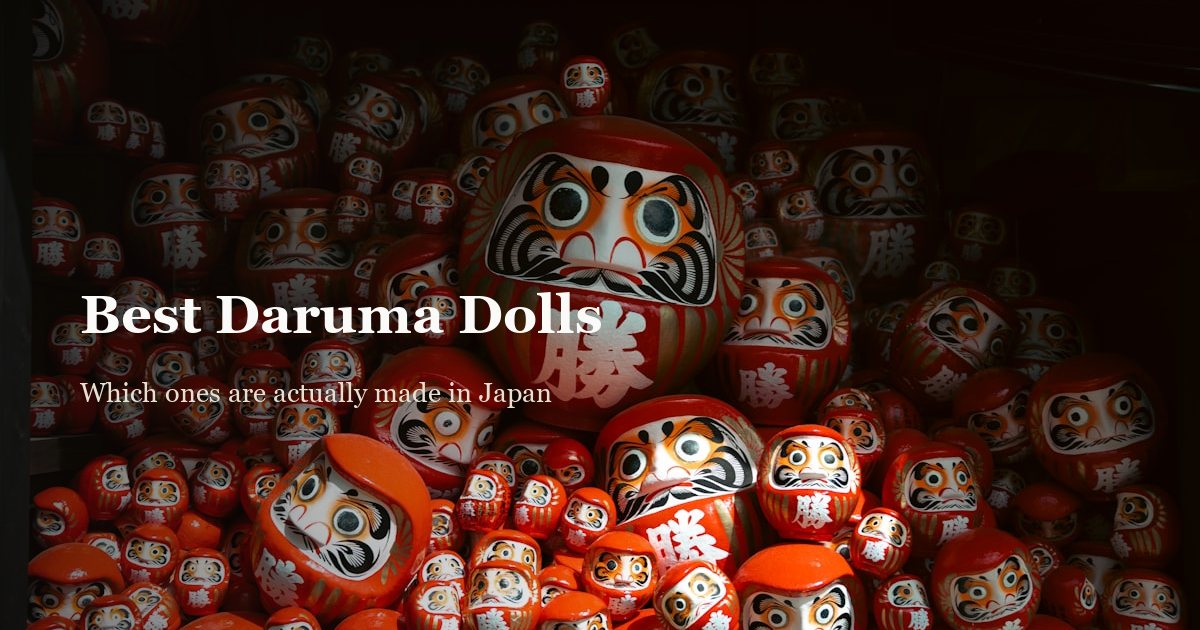
Best Daruma Dolls: Which Ones Are Actually Made in Japan?
About 80% of Japan's daruma dolls come from Takasaki, Gunma. Our two picks name that city directly, most Amazon 'daruma' figurines don't say where they're made.
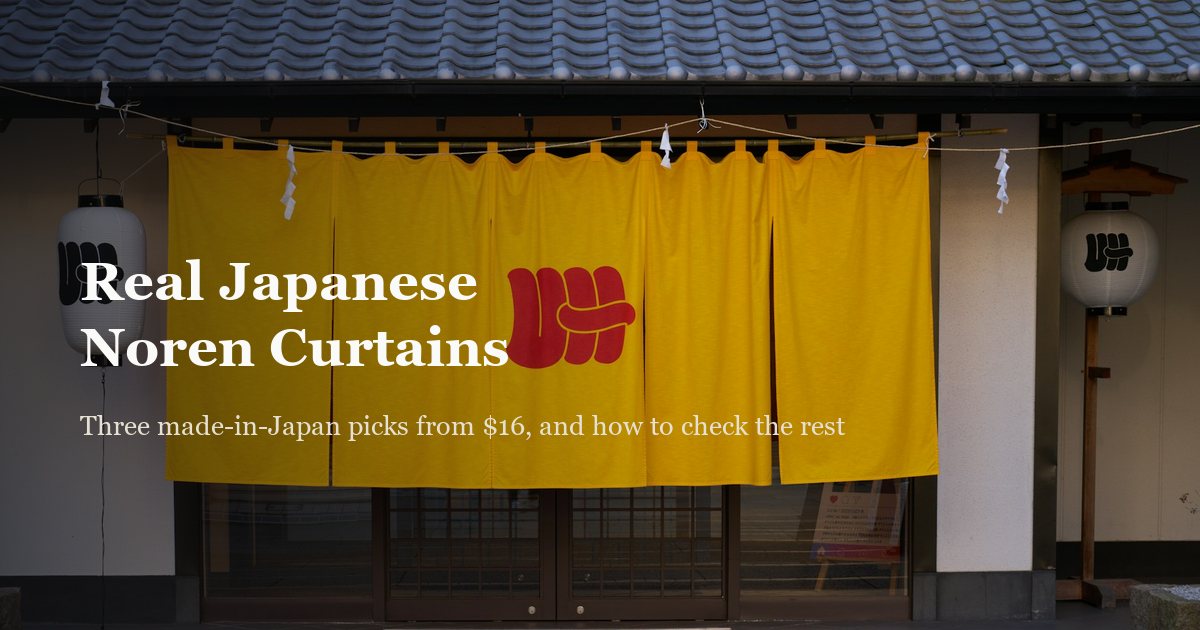
Best Japanese Noren Curtains: Actually Made in Japan?
Noren range from genuine made-in-Japan panels under $25 to prints with no origin claim. Three real picks, and a same-brand listing that quietly says India.
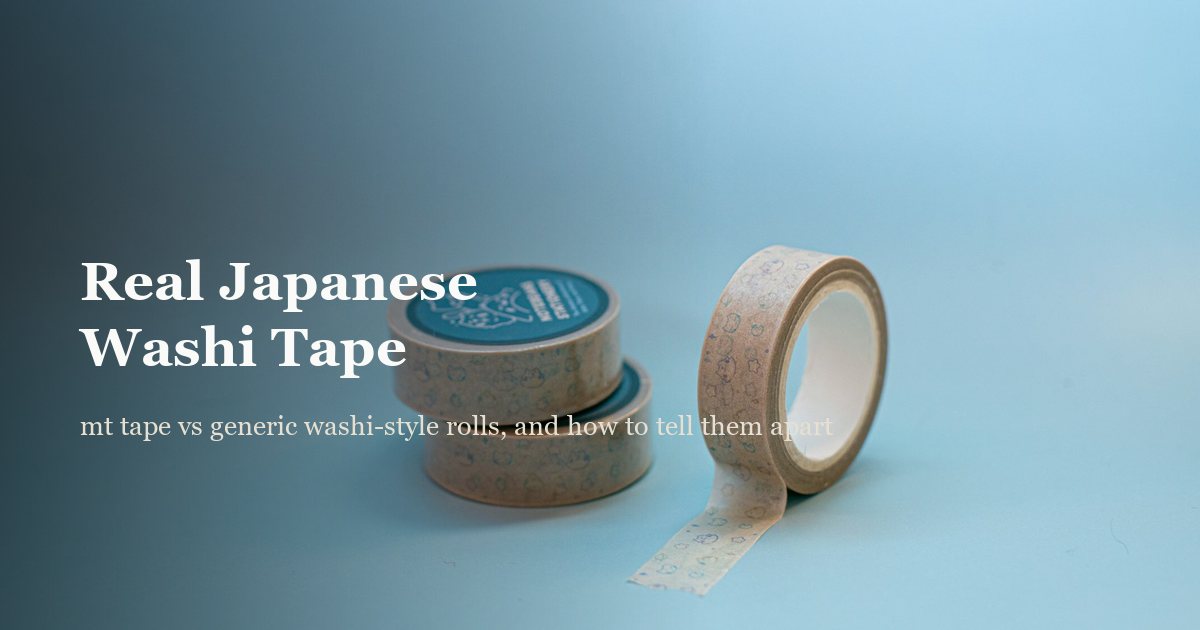
Best Japanese Washi Tape: Actually Made in Japan?
mt washi tape is made by a 100-year-old paper company, Kamoi Kakoshi, named on the listing. Most washi tape packs claim the material with no maker named.
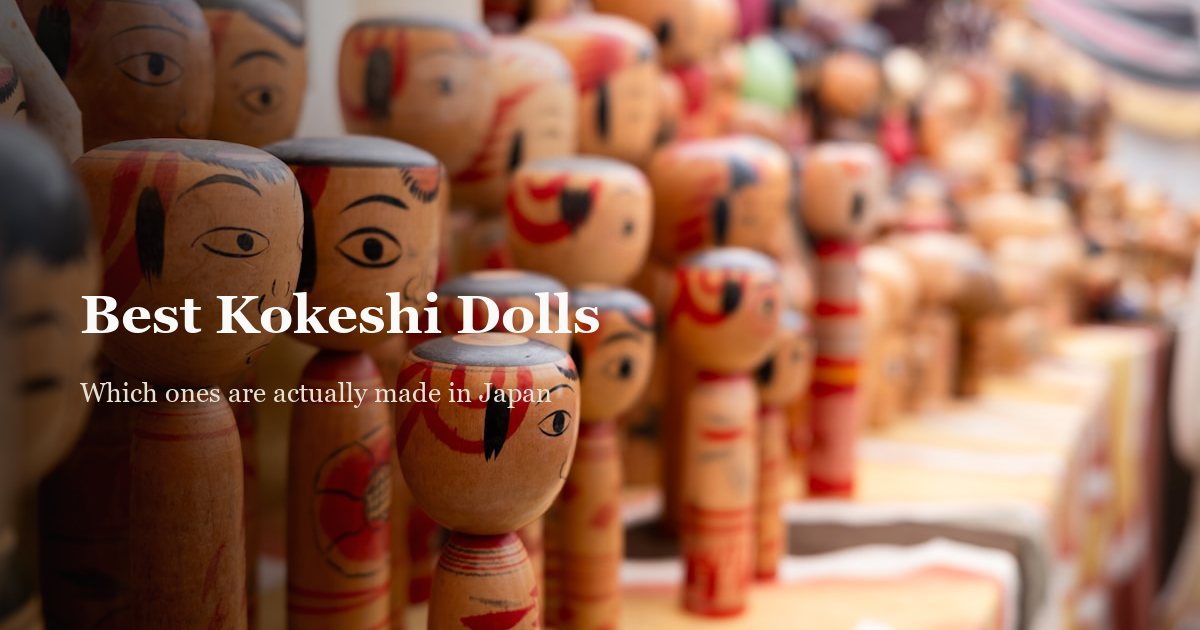
Best Kokeshi Dolls: Which Ones Are Actually Made in Japan?
Usaburo has documented its Gunma workshop since 1955 and names it on every listing. A lot of 'kokeshi-style' dolls sold next to them never name a maker at all.

Best Japanese Calligraphy Sets: Actually Made in Japan?
Kuretake, founded in Nara, makes both sets below and still supplies Japanese schools today. Most 'Japanese SHODO' sets on Amazon can't say the same.
Best Japanese Incense: Actually Made in Japan?
Nippon Kodo documents its own history back to 1575 and names it on every listing. A lot of 'Kyoto temple aroma' incense on Amazon never names a company at all.
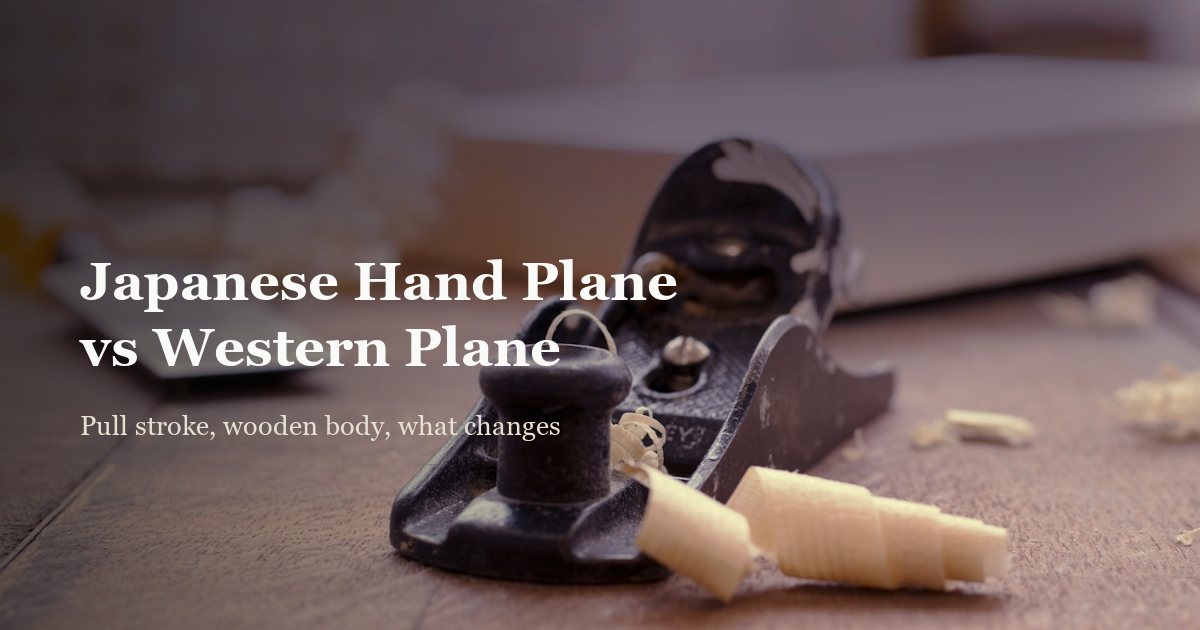
Japanese Hand Plane (Kanna) vs Western: What's Different
A kanna is pulled toward you and has no handle; a Western plane is pushed and cast in iron. The real differences, plus two verified Made-in-Japan picks.

Tenugui vs Furoshiki: What's the Difference?
Furoshiki is a square wrapping cloth; tenugui is a thin cotton towel with raw, unhemmed edges. What each is actually for, plus two verified Made-in-Japan picks.
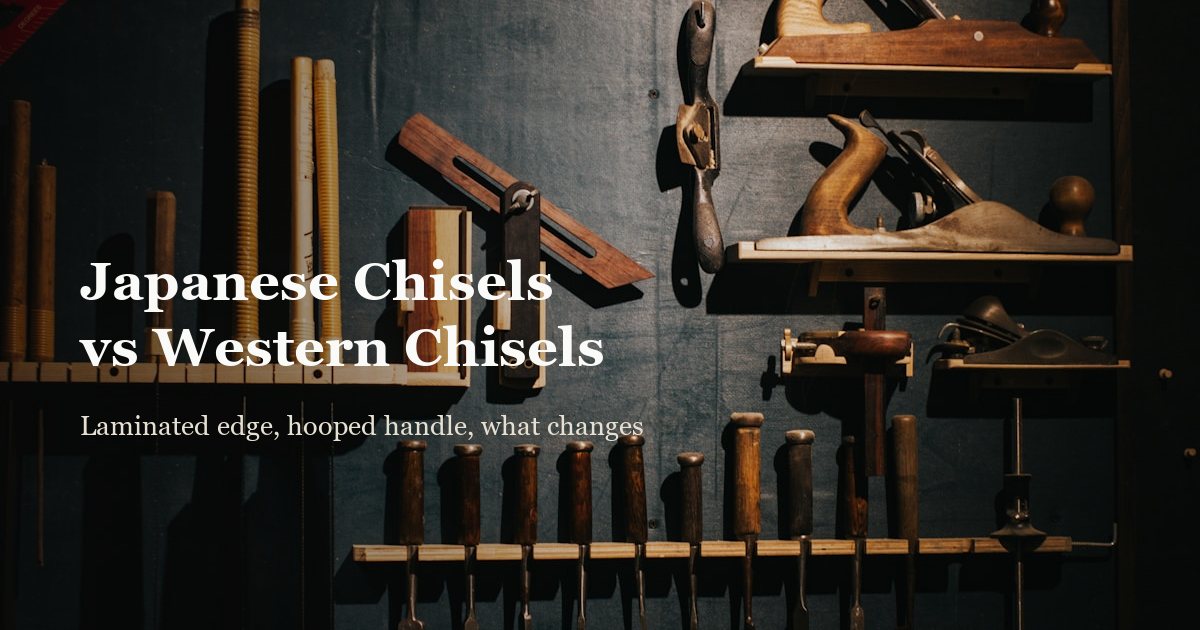
Japanese Chisels vs Western: What's Actually Different
Japanese chisels laminate hard steel to a softer iron backing with a hooped handle; Western chisels are one steel, socketed or tanged. What changes, plus picks.
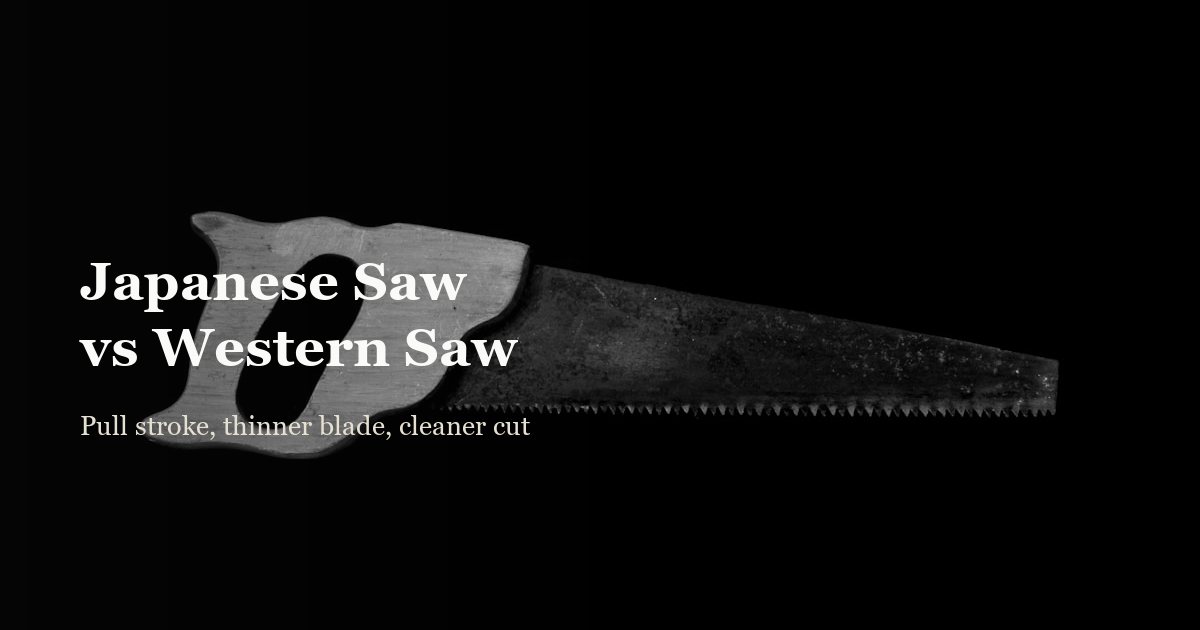
Japanese Saw vs Western Saw: What's Actually Different
A Japanese pull saw cuts on the draw stroke with a thinner blade; a Western saw cuts on the push. The real differences, plus two verified Made-in-Japan picks.
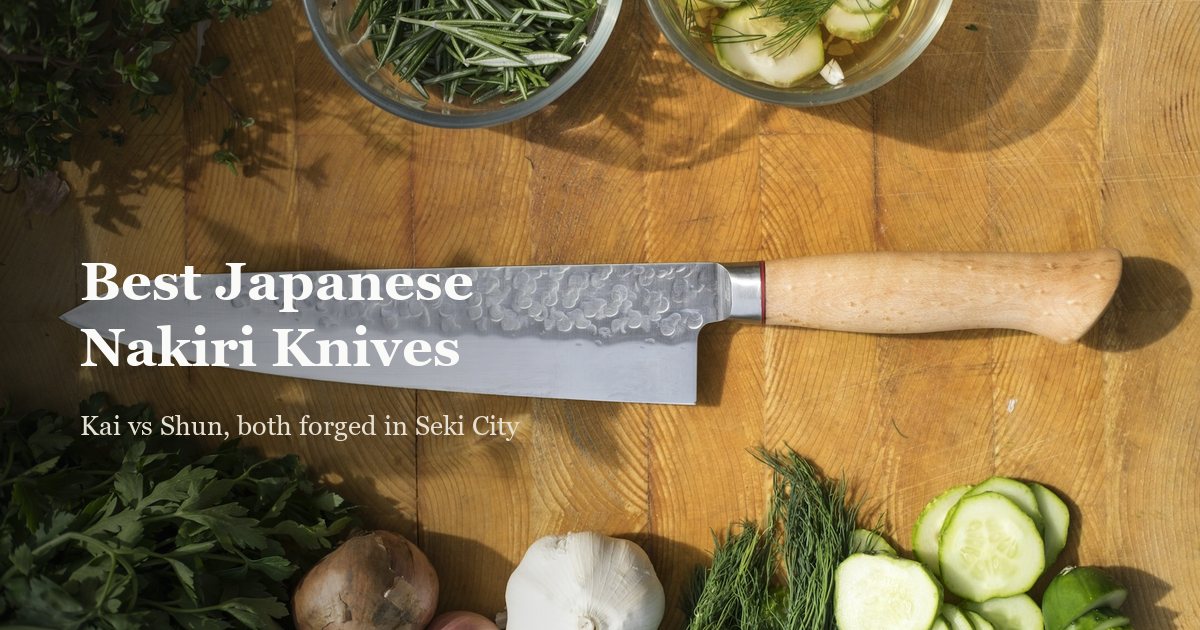
Best Japanese Nakiri Knives: Actually Made in Japan?
A budget nakiri from Kai, a mid-range pick from Sakai Takayuki, and a premium one from Shun, plus why brands flagged as fake on this site sell nakiri too.
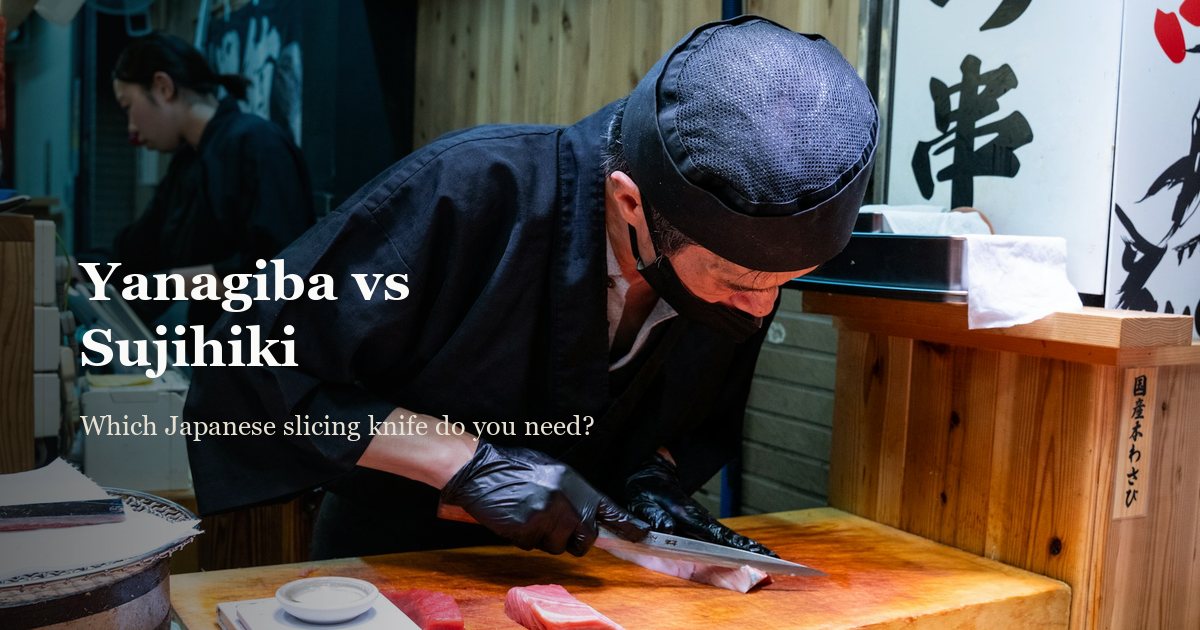
Yanagiba vs Sujihiki: Which Japanese Knife Do You Need?
A single-bevel sashimi specialist versus its double-bevel, easier-to-sharpen descendant — what each knife is built for, and which fits a home kitchen.
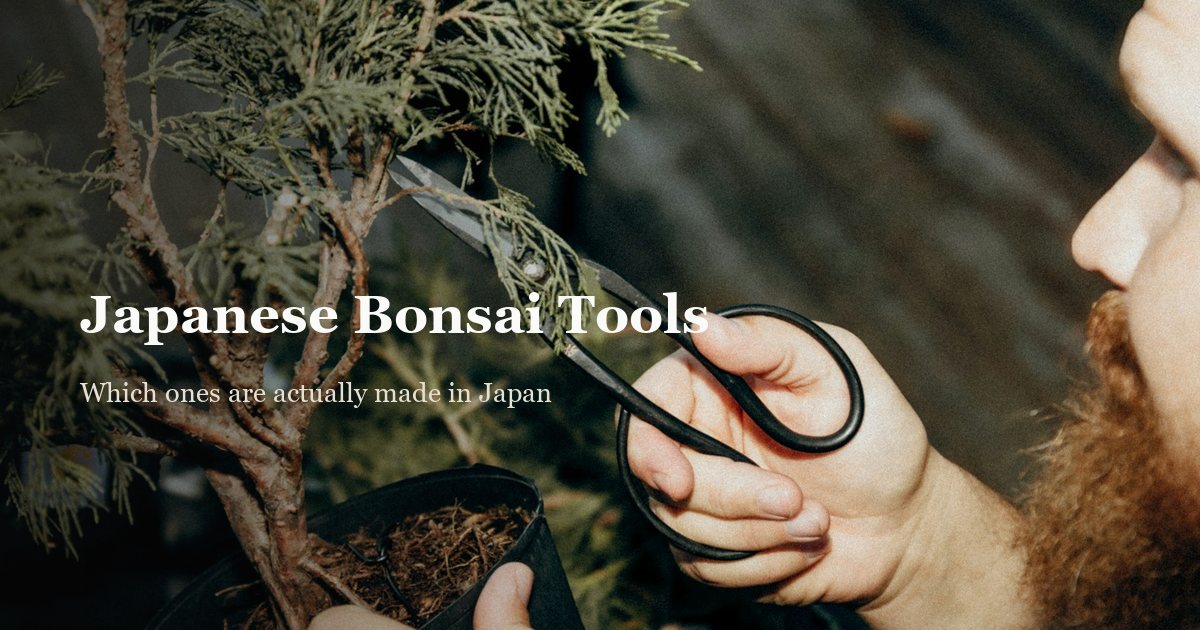
Best Japanese Bonsai Tools: Actually Made in Japan?
Wazakura and KAKURI hand-forge bonsai scissors in Sanjo, Niigata, and say so on the listing. Many 'Japanese' scissors on Amazon never say where they're made.
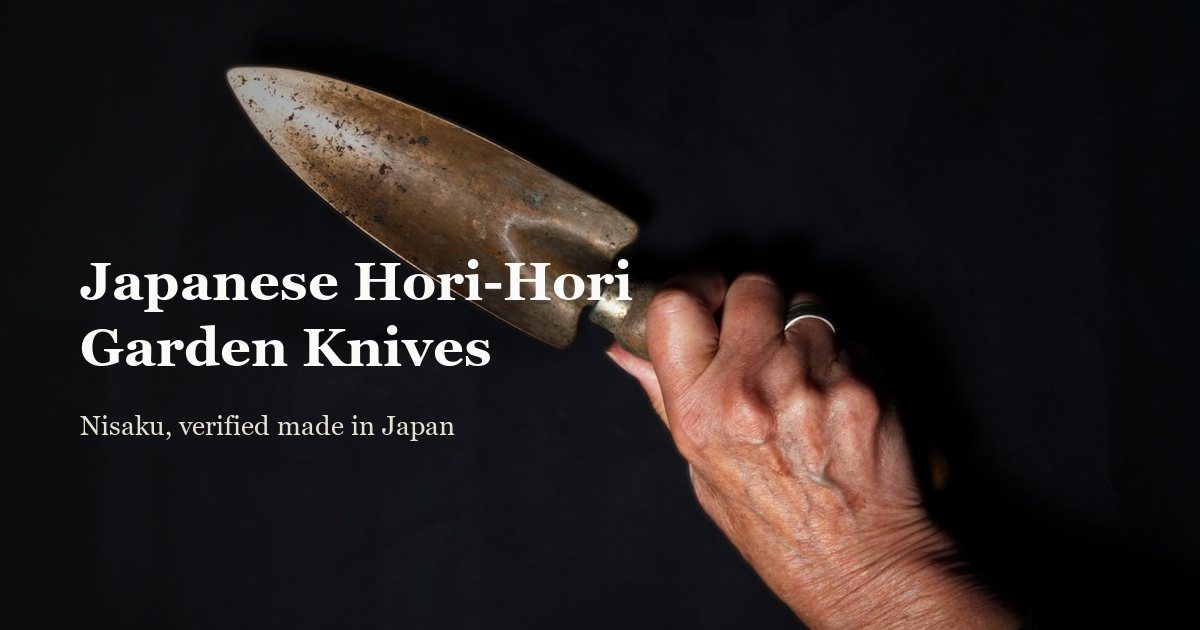
Best Japanese Hori-Hori Knives: Actually Made in Japan?
Nisaku's hori-hori knives are made in Niigata by a documented cutlery company. Many 'Japanese steel' knives on Amazon never say where they're actually made.
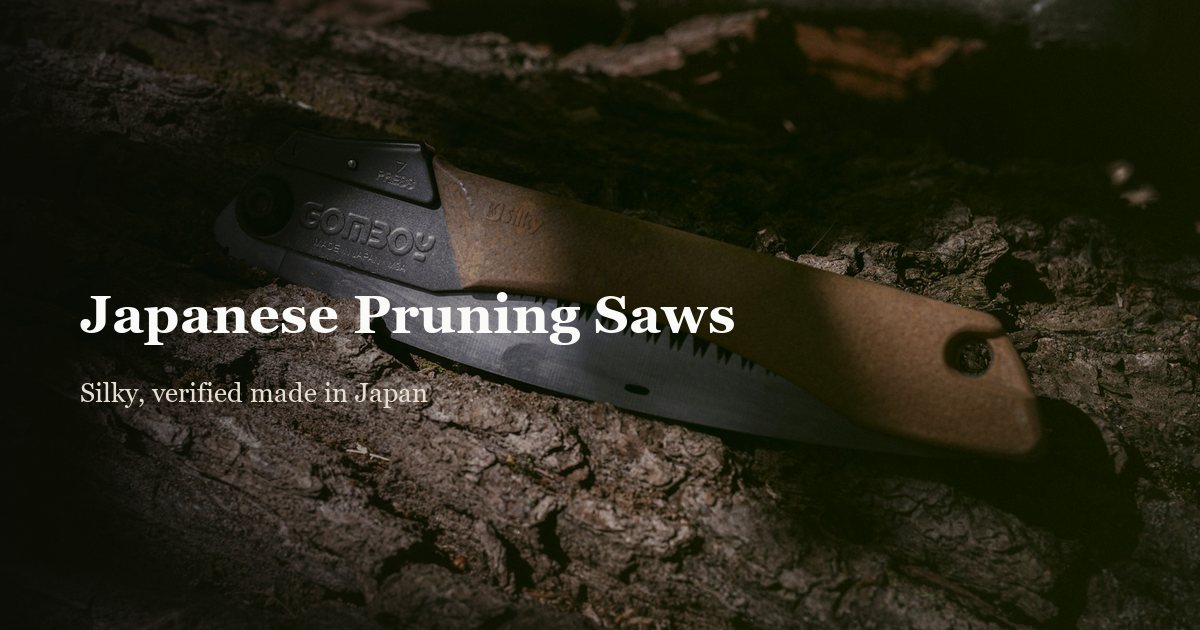
Best Japanese Pruning Saws: Actually Made in Japan?
Silky's GomBoy is the world's best-selling pruning saw and names its manufacturing city directly. Many 'Japanese steel' saws name the steel, not the country.
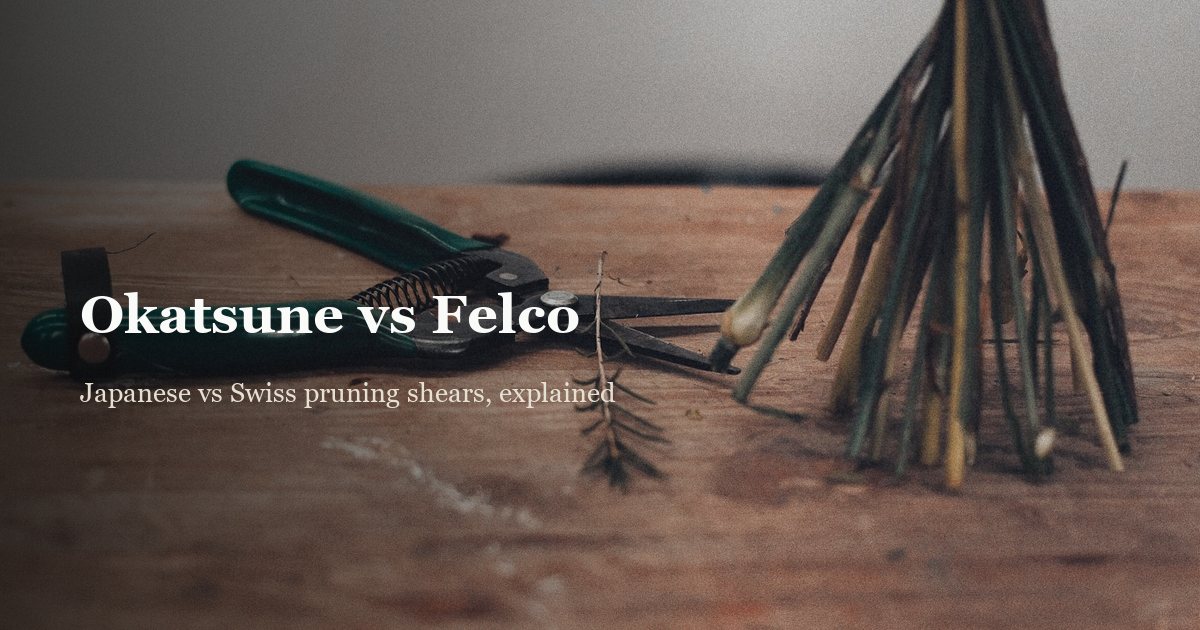
Okatsune vs Felco: Japanese vs Swiss Pruning Shears
Okatsune forges a one-piece blade you sharpen for years; Felco builds a pruner rebuilt part by part for decades. Different philosophies, neither is wrong.
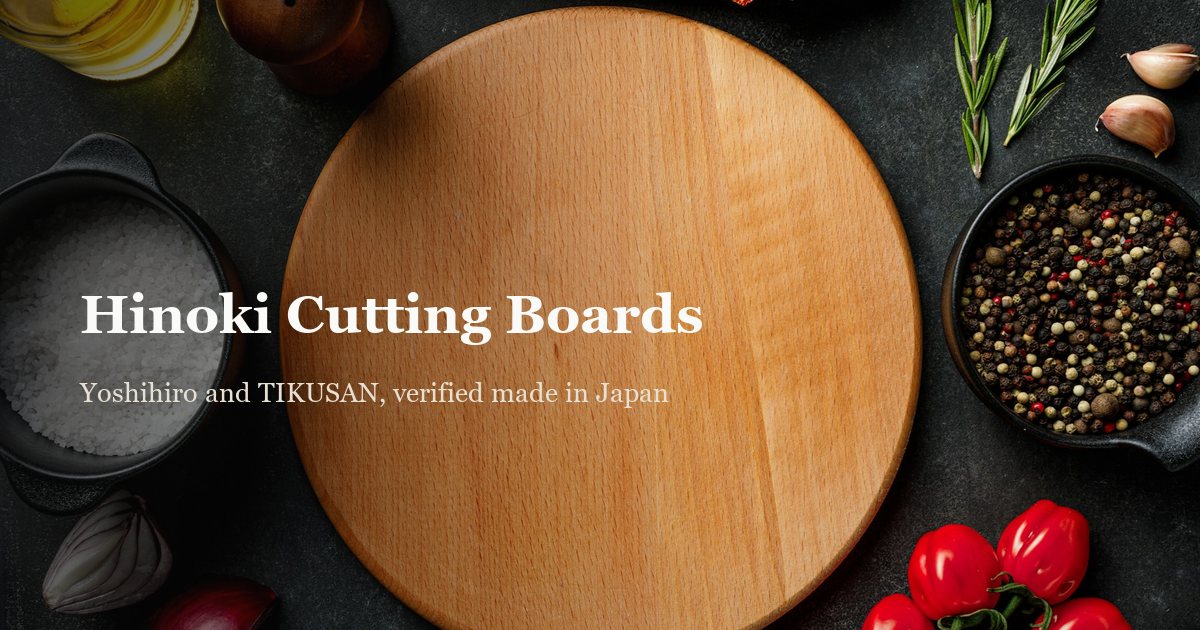
Best Hinoki Cutting Boards: Actually Made in Japan?
Two genuinely Japan-made hinoki cutting boards from Yoshihiro and TIKUSAN, and why a lot of 'hinoki' listings leave the country of origin blank.
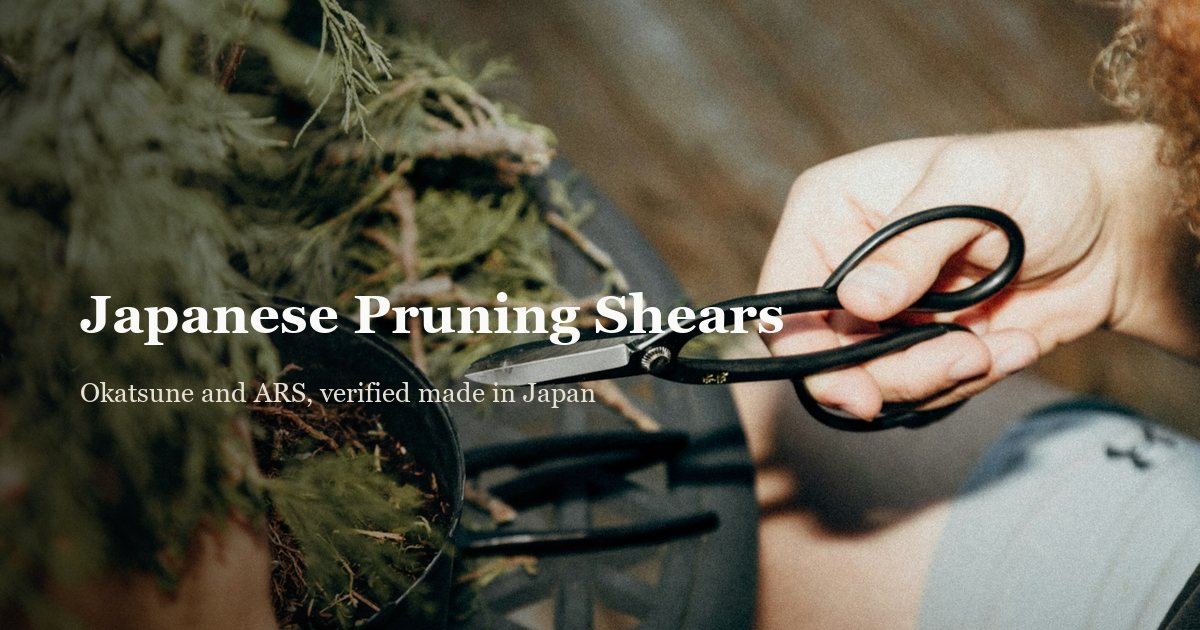
Best Japanese Pruning Shears: Actually Made in Japan?
Okatsune and ARS both make genuinely Japan-made pruning shears with named histories to the 1920s. Many 'Japanese steel' shears next to them aren't Japanese.
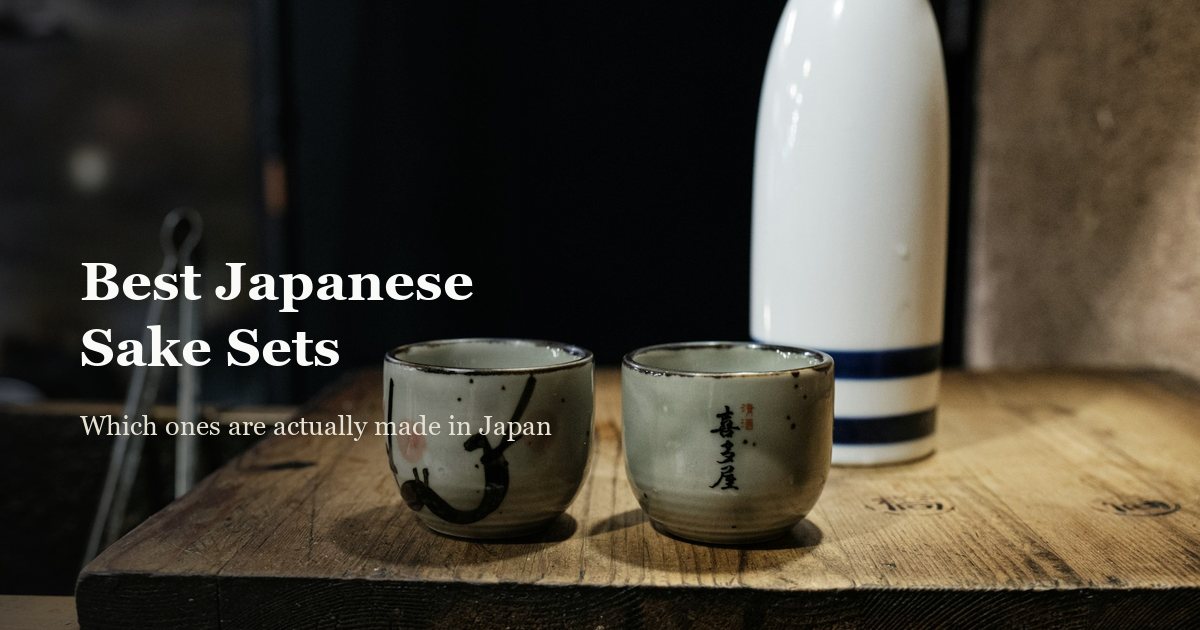
Best Japanese Sake Sets: Actually Made in Japan?
A genuine Mino-yaki pick under $35, plus four named-kiln sets in Kutani, Arita, and Bizen ware, and why most 'Japanese Sake Set' listings never claim Japan.
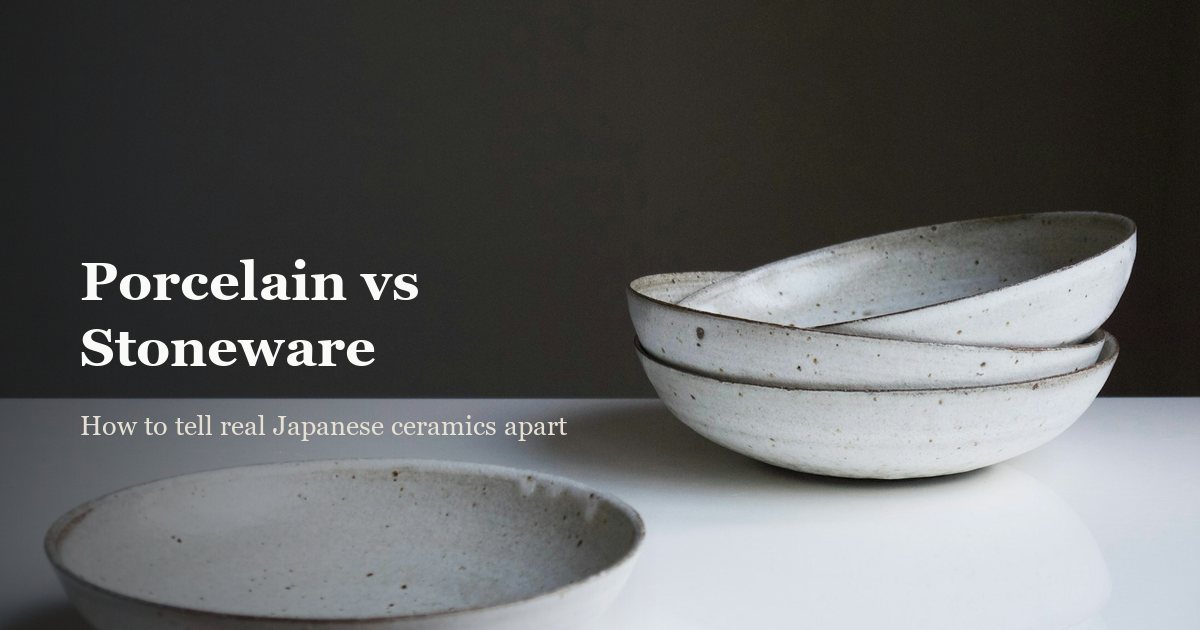
Porcelain vs Stoneware: Spotting Real Japanese Ceramics
The tap-sound test, the light test, and why a Musubi Kiln listing calls the same Kutani ware piece both 'porcelain' and 'stoneware' at once.
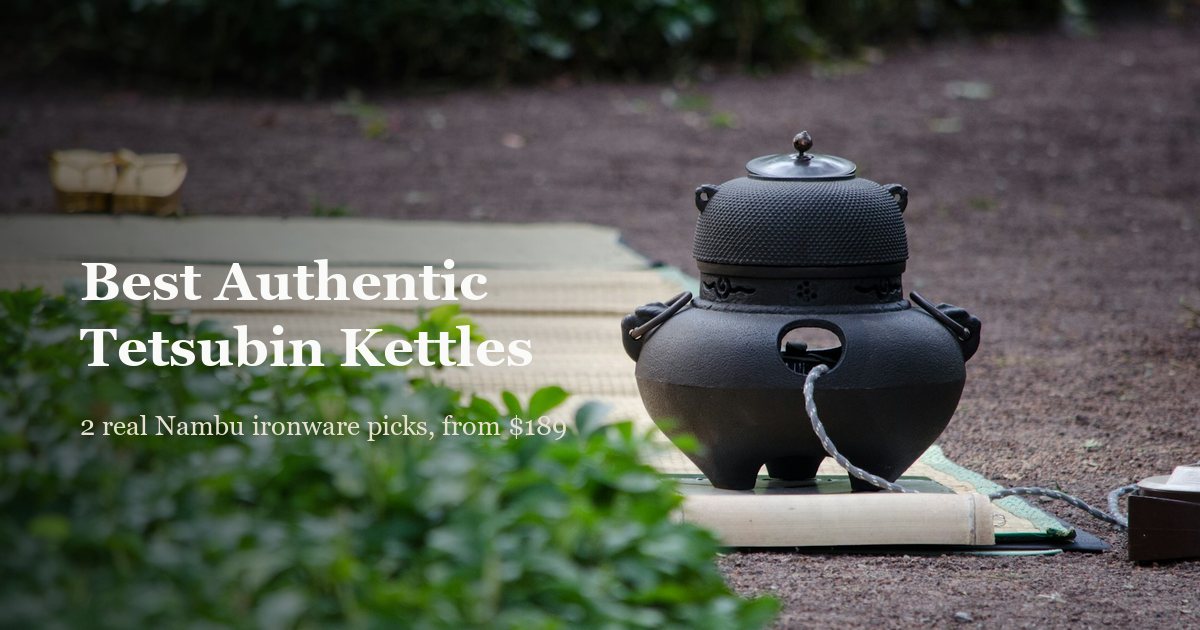
Best Japanese Tetsubin Kettles: Actually Made in Japan?
Most "Japanese tetsubin" on Amazon are enamel-lined imports that aren't even rated for the stove. Here's how to find one that actually is Nambu ironware.
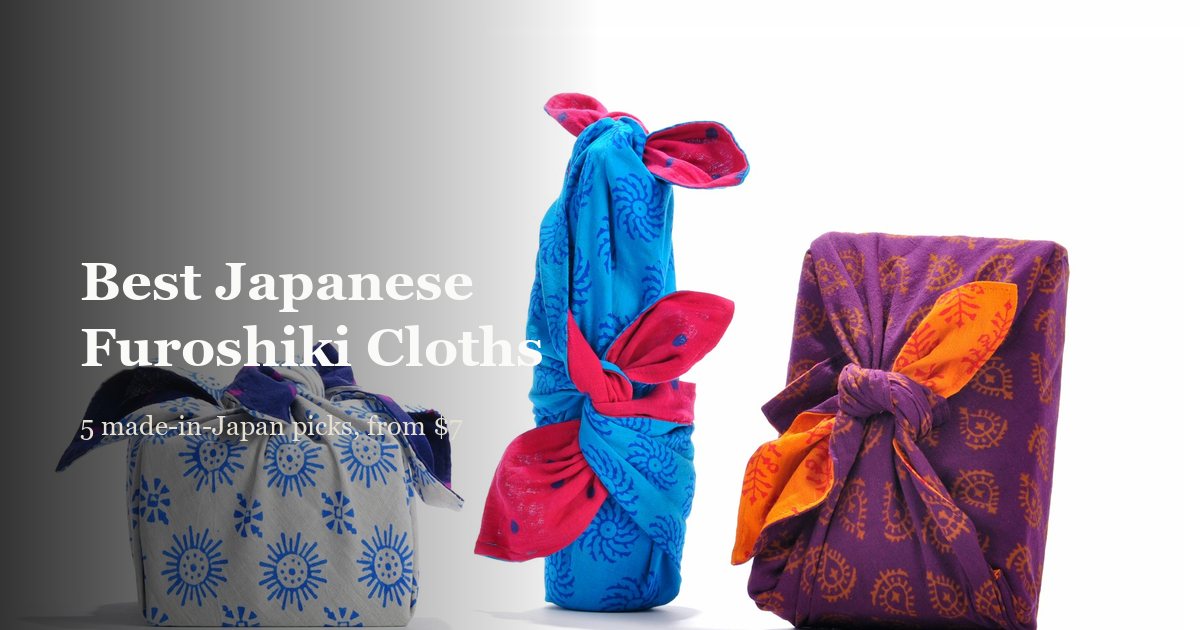
Best Japanese Furoshiki Wrapping Cloths: Made in Japan?
Furoshiki isn't a protected term. Five made-in-Japan picks from $7 to $47, and how to spot a printed import with no origin claim at all.
Best Japanese Kitchen Shears: Actually Made in Japan?
Two genuinely Japan-made kitchen shears from Kai and Global, and why the same brands flagged in our fake-knife-brands guide also sell scissors.
Japanese Kitchen Tools Actually Made in Japan
A verified directory of Japanese kitchen tools, knives to mandolines to scrub brushes, plus checks that separate a real maker from 'Japanese-style' marketing.
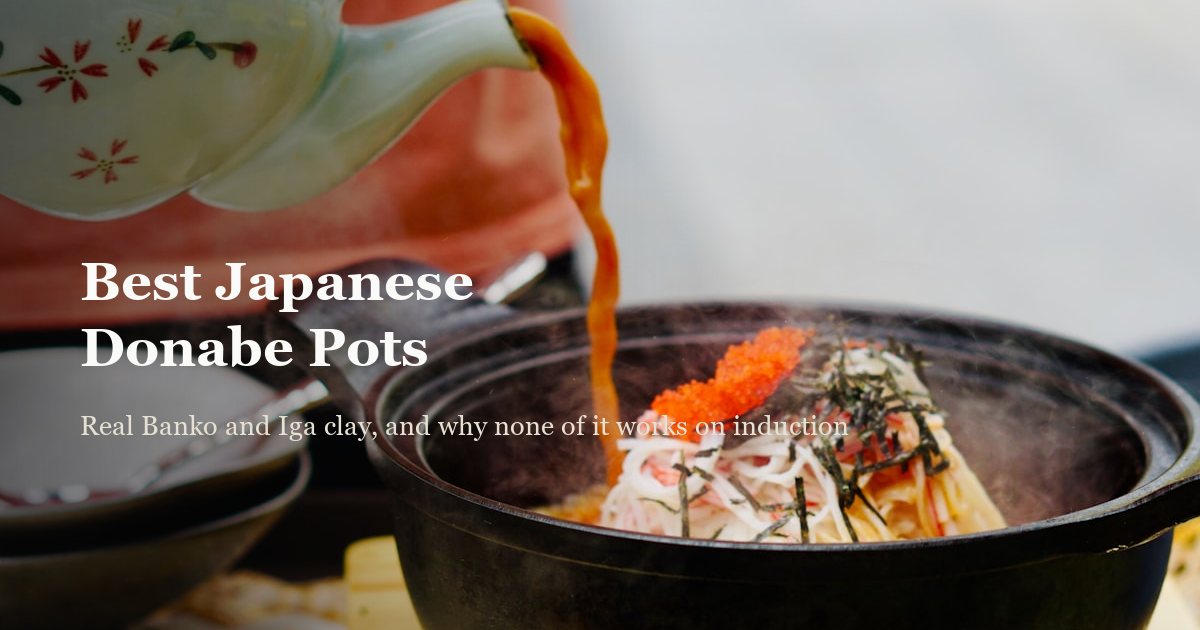
Best Japanese Donabe Pots: Real Banko and Iga Ware
A donabe is unglazed clay from a specific Japanese region, not a generic clay pot, and none of them work on induction. Here's what to check before buying.
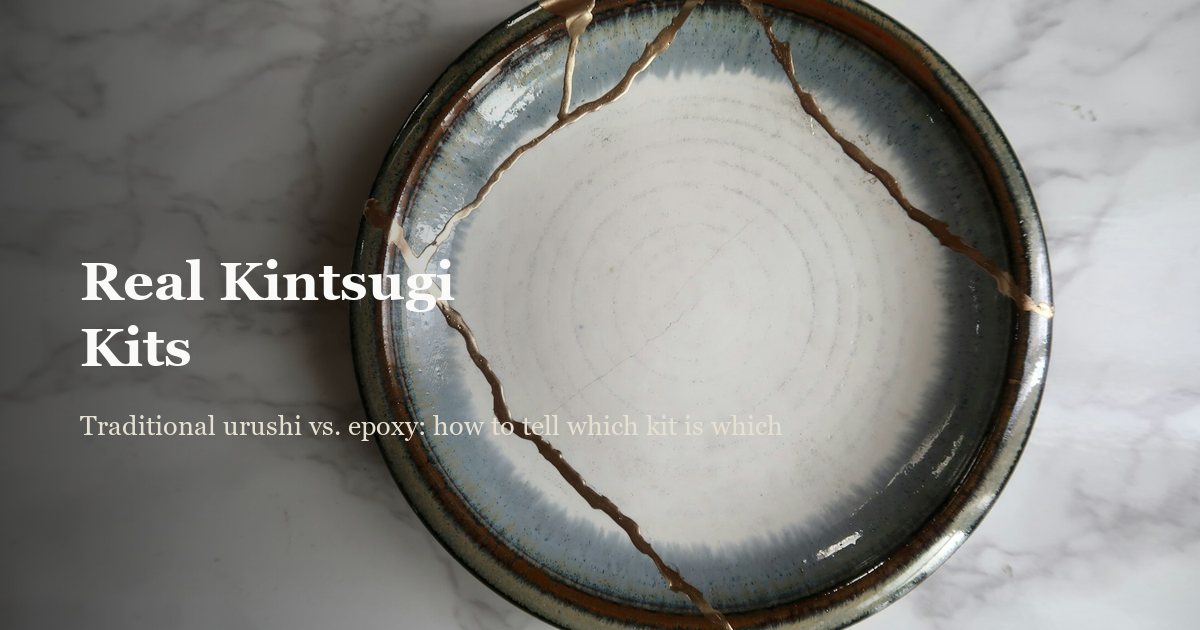
Best Real Kintsugi Kits: Urushi vs. Epoxy (2026)
Most 'kintsugi kits' sold as food-safe are epoxy or resin with a gold-colored mica powder, not urushi lacquer with real gold. Here's how to tell which is which.
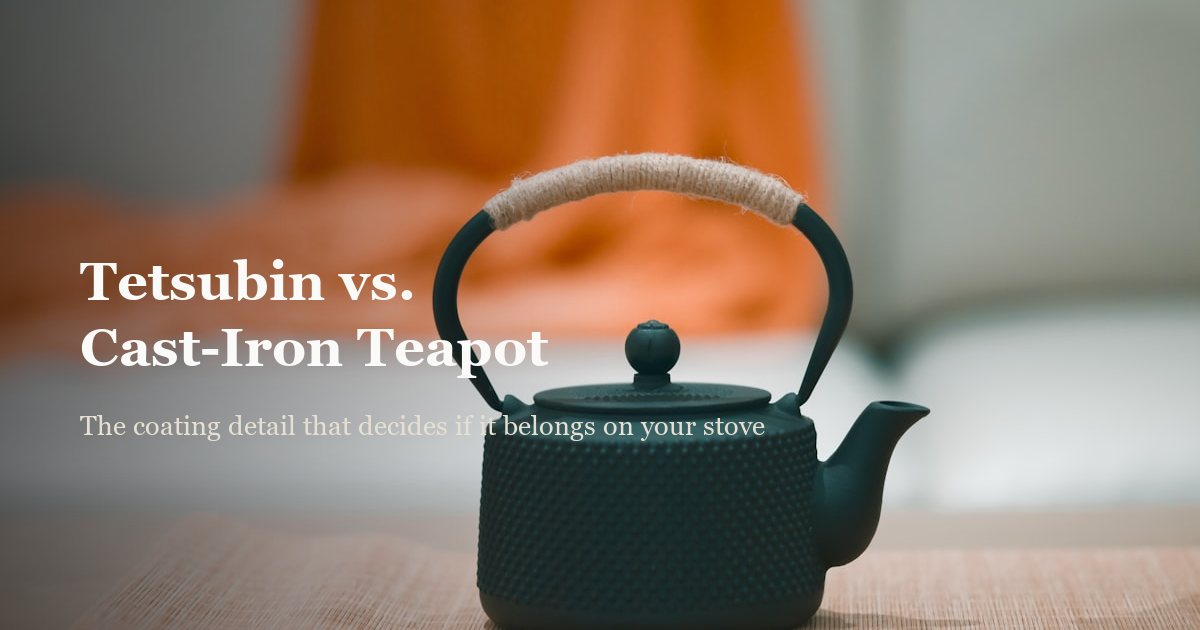
Tetsubin vs. Cast-Iron Teapot: What's Actually Different
A tetsubin boils water on direct heat. A cast-iron teapot is enamel-lined and steeps tea, not for the stove. Amazon sells both under the same word.
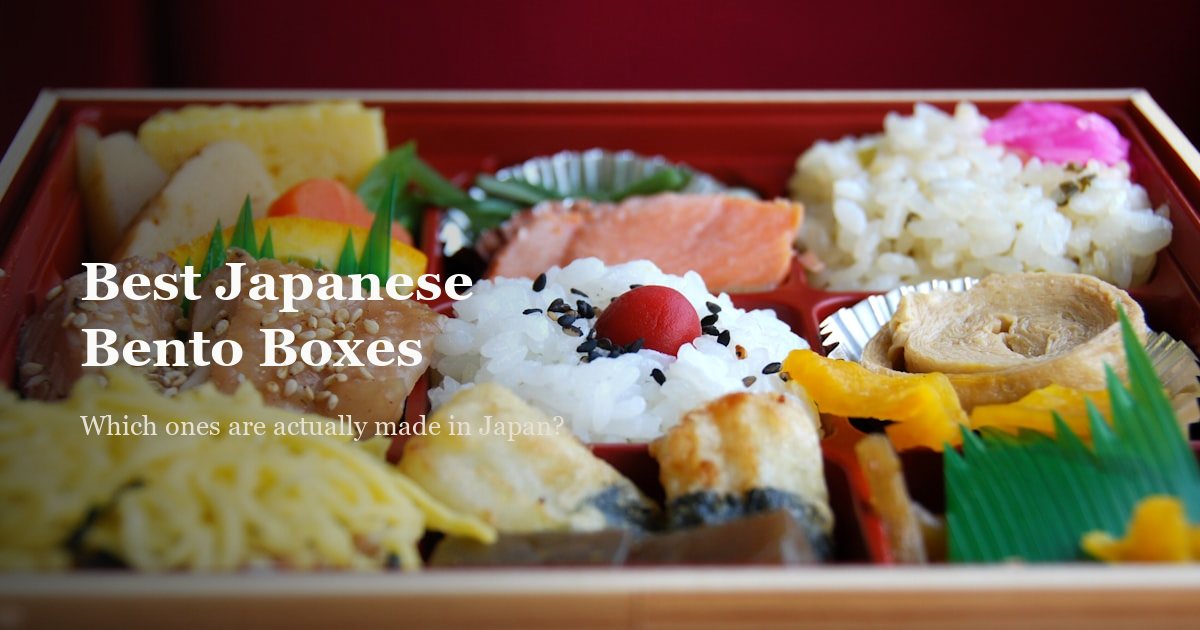
Best Japanese Bento Boxes: Actually Made in Japan?
OSK, Zojirushi, and a genuine Akita Cedar magewappa compared against Amazon's best-selling bento box, which has zero connection to Japan beyond the name.
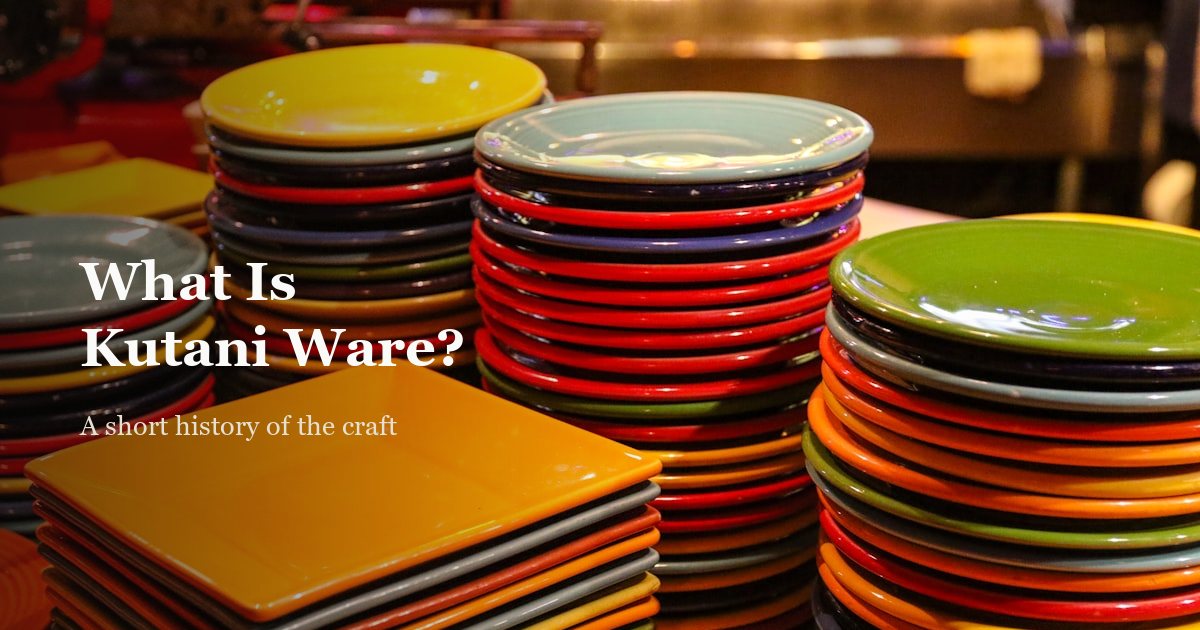
What Is Kutani Ware? A Short History of the Craft
Where Kutani ware actually comes from, what the five-color gosai palette means, and the genuine historical uncertainty behind the earliest pieces.
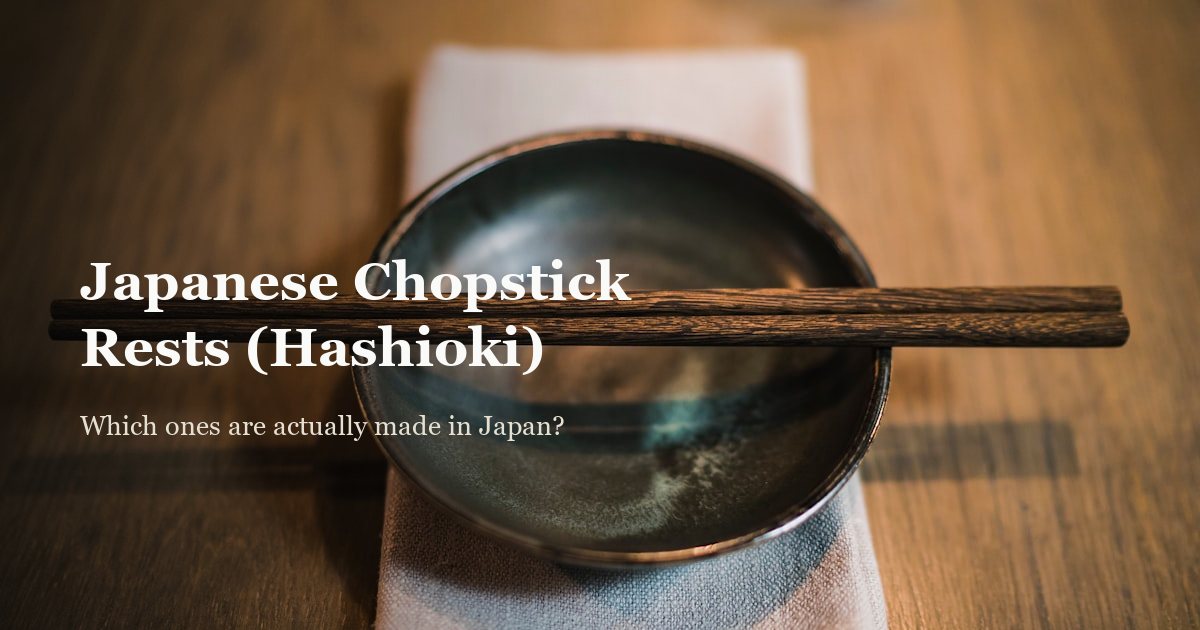
Best Japanese Chopstick Rests (Hashioki): Made in Japan?
Kutani ware and a Kaneshotouki collaboration that state their Japanese origin outright, compared against sets labeled 'Japanese-style' with no country listed.
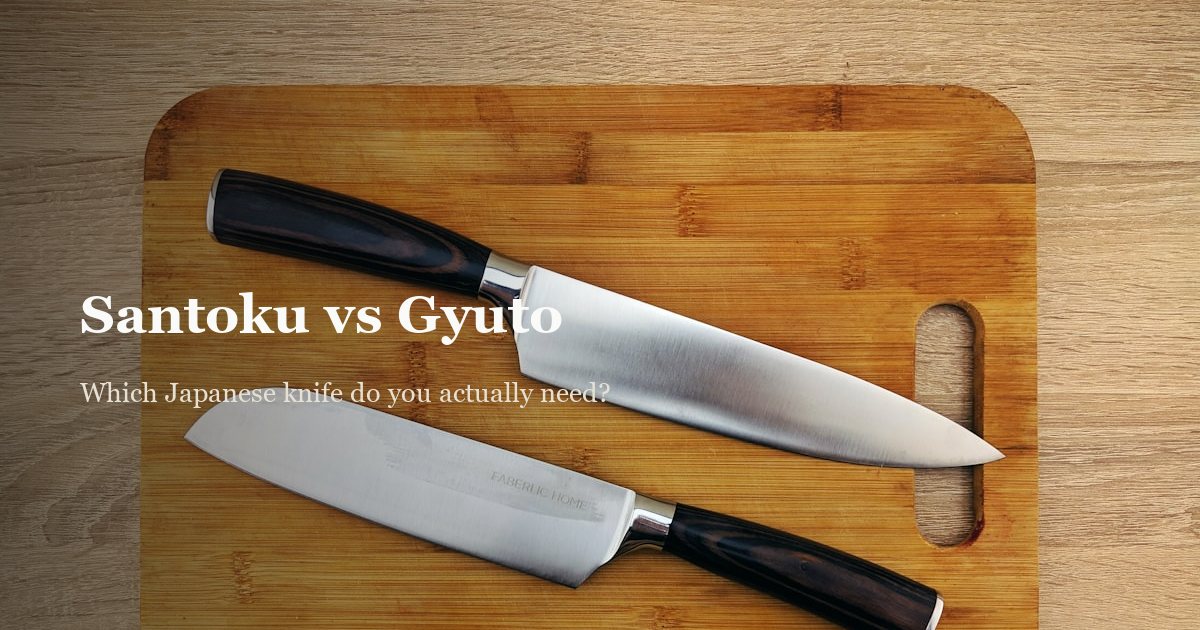
Santoku vs Gyuto: Which Japanese Knife Do You Actually Need?
Two authentic Japanese knife shapes, not a Japanese-vs-Western comparison: blade length, tip shape, and technique differences, and which to buy first.
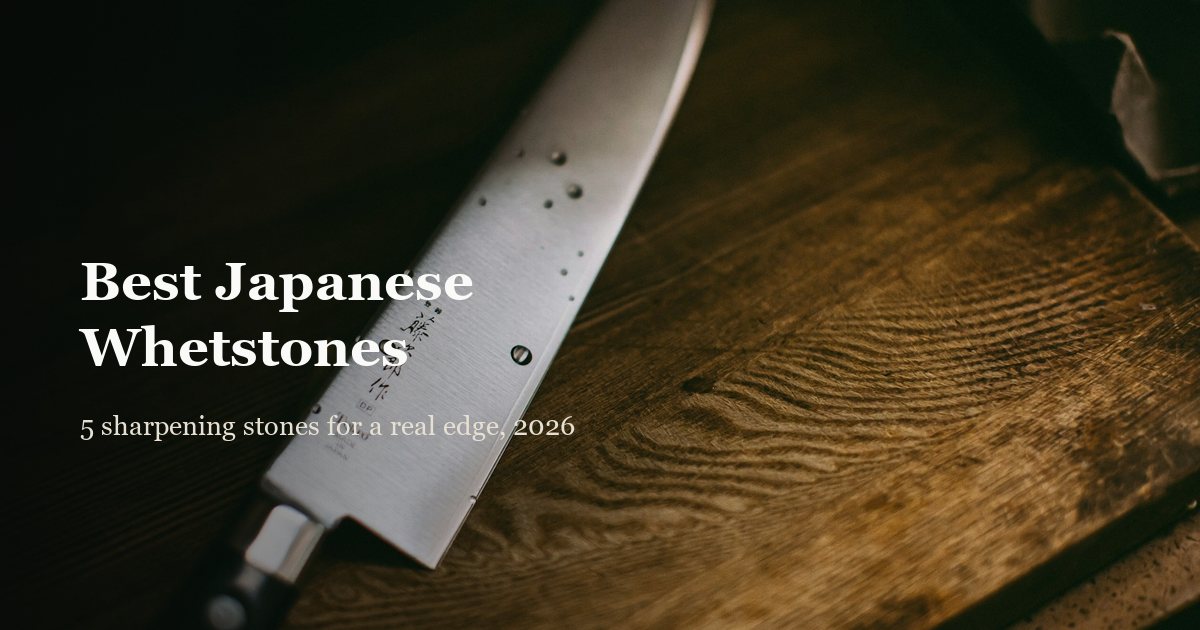
Best Japanese Whetstones: 5 Picks for a Real Edge (2026)
Five genuinely Japanese-made whetstones from 400 to 12000 grit, plus how to tell them apart from Chinese-made stones sold with Japanese branding.
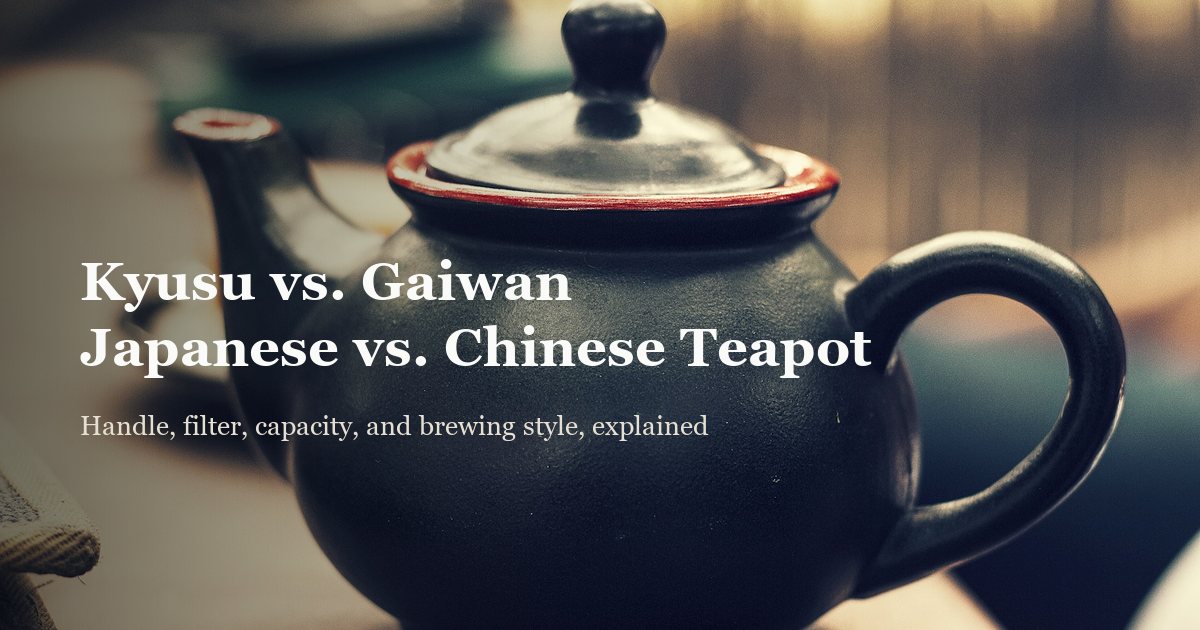
Kyusu vs. Gaiwan: Japanese vs. Chinese Teapot, Explained
How a Japanese kyusu actually differs from a Chinese gaiwan in handle, filter, capacity, and brewing style, plus two verified kyusu picks if you want one.
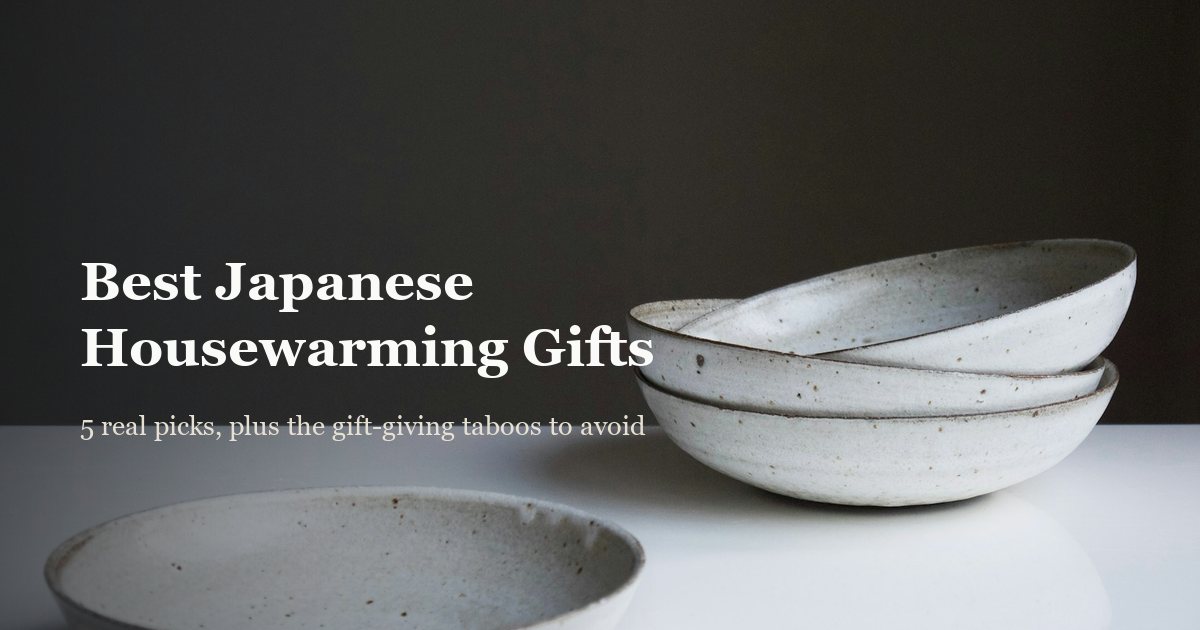
Best Japanese Housewarming Gifts: 5 Picks (And 5 to Avoid)
Five real, in-stock Japanese housewarming gifts from $10 to $150, plus gift-giving taboos (fire, red, knives) Japanese etiquette guides actually warn against.
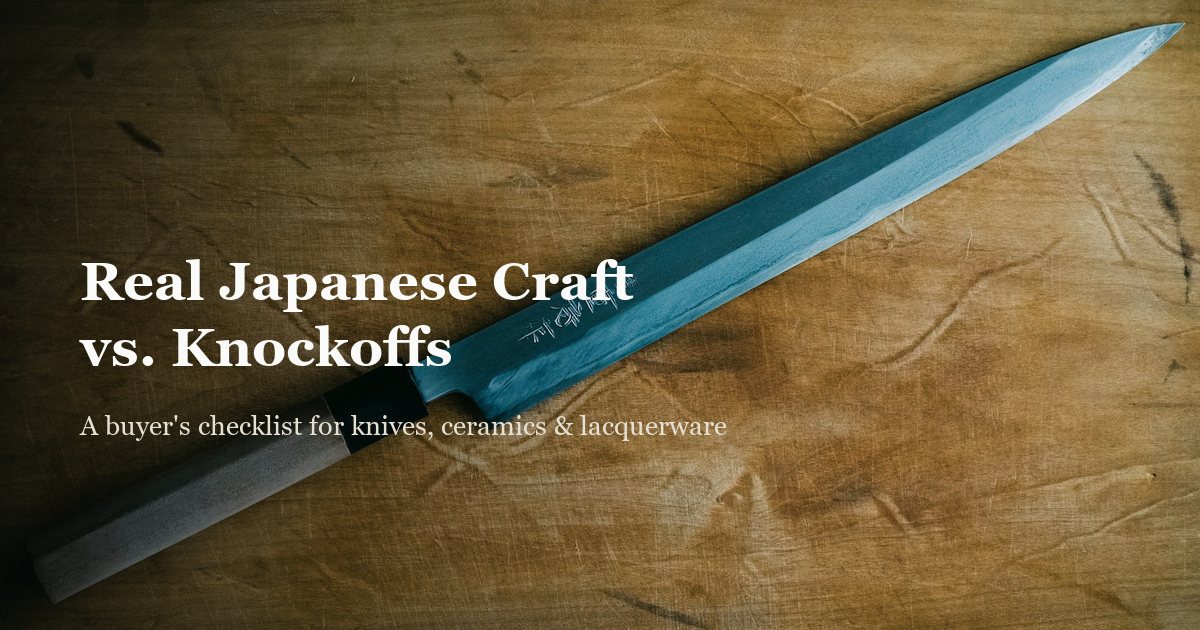
How to Tell Real Japanese Craft from Mass-Market Knockoffs
A cross-category checklist — region, maker, material spec, origin — for telling real Japanese knives, ceramics, teapots, and lacquerware from knockoffs.
Is Your Japanese Lacquerware Real Urushi?
How to tell genuine urushi lacquerware from urethane or polyester imitations — named region, maker, spec sheet vs. ad copy, and the dishwasher-safe test.
Is Your Japanese Teapot (Kyusu) Actually Made in Japan?
A concrete checklist for telling a genuine Tokoname, Banko, or Mino teapot from a generic import — named region, maker, material spec, and care instructions.
Is MUJI's Hasami Ware Actually Real Japanese Pottery?
MUJI sells Hasami ware rice bowls, plates, and sake cups for £5.95–£9.95. We checked the spec sheets: genuine Hasami-yaki, or just a marketing name?
Best Japanese Tea Set Gifts: 3 Genuine Kutani Picks in 2026
Three real, in-stock Japanese tea sets from $152 to $319, genuine hand-decorated Kutani ware, not the 'Japanese-style' sets that dominate gift-guide searches.

How to Choose a Real Chasen (Matcha Whisk)
What makes a real chasen (matcha whisk) — the 500-year Takayama tradition, why most Amazon listings aren't bamboo at all, and the one we'd actually buy.
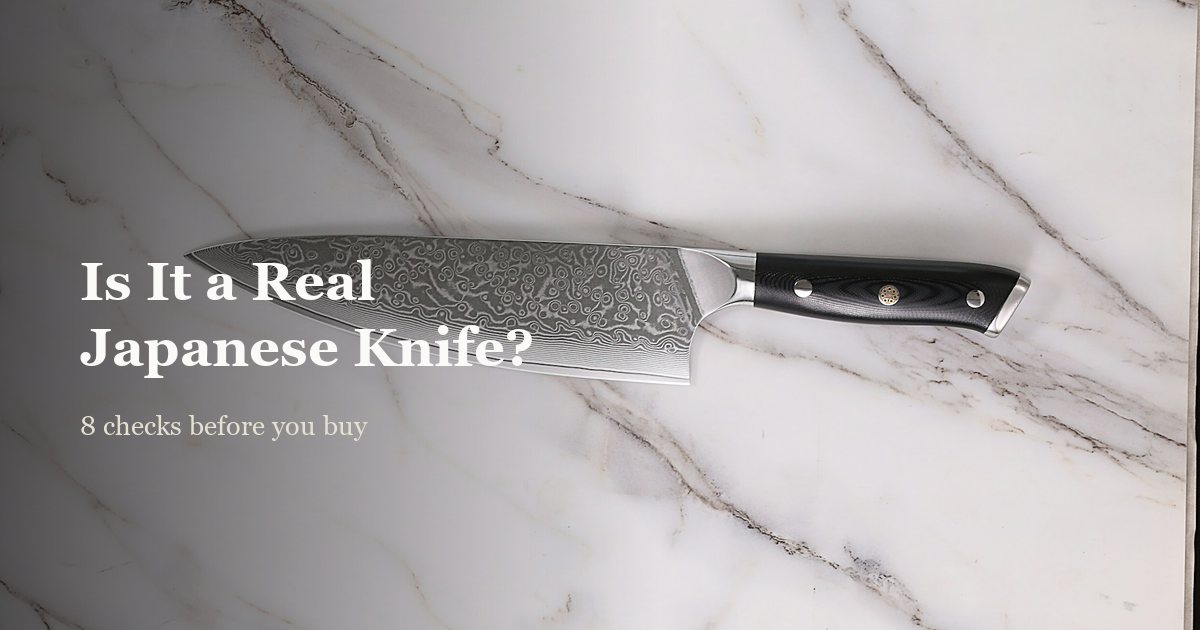
How to Tell If a Japanese Knife Is Real: 9 Checks
Nine concrete checks — origin, maker's mark, named steel, cross-listing, domain age vs. founding claim — for verifying a knife is genuinely Japan-made.
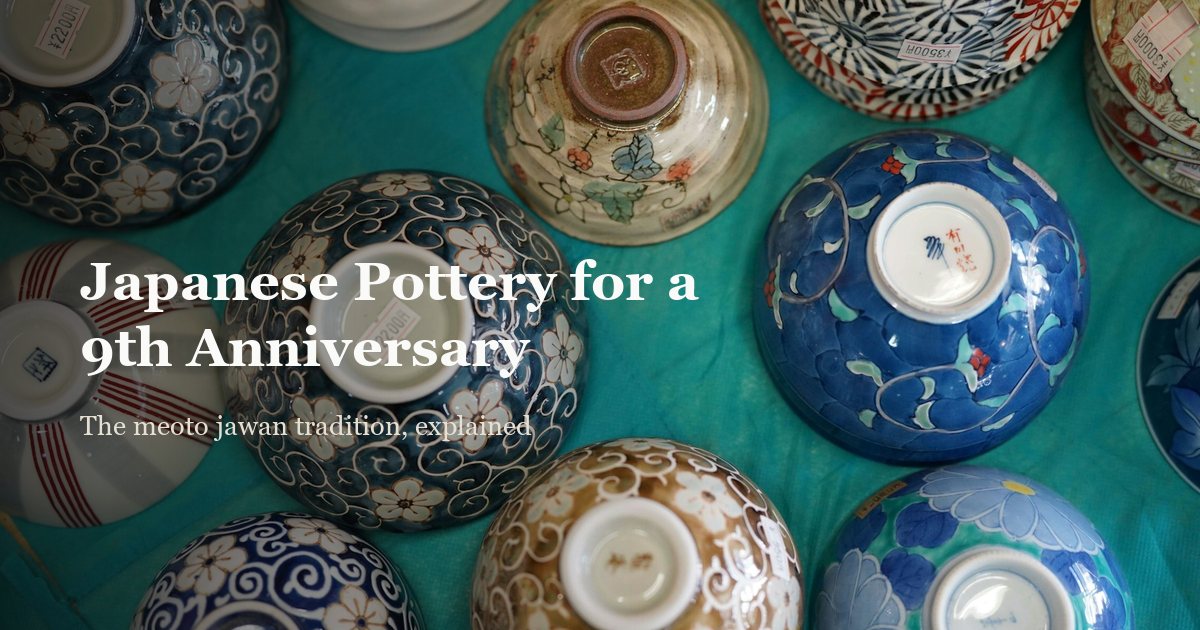
Japanese Pottery for a 9th Anniversary Gift
Why pottery is the traditional 9th anniversary gift, and the married-couple's bowl custom behind it. Three genuine Kutani ware picks, verified in stock.
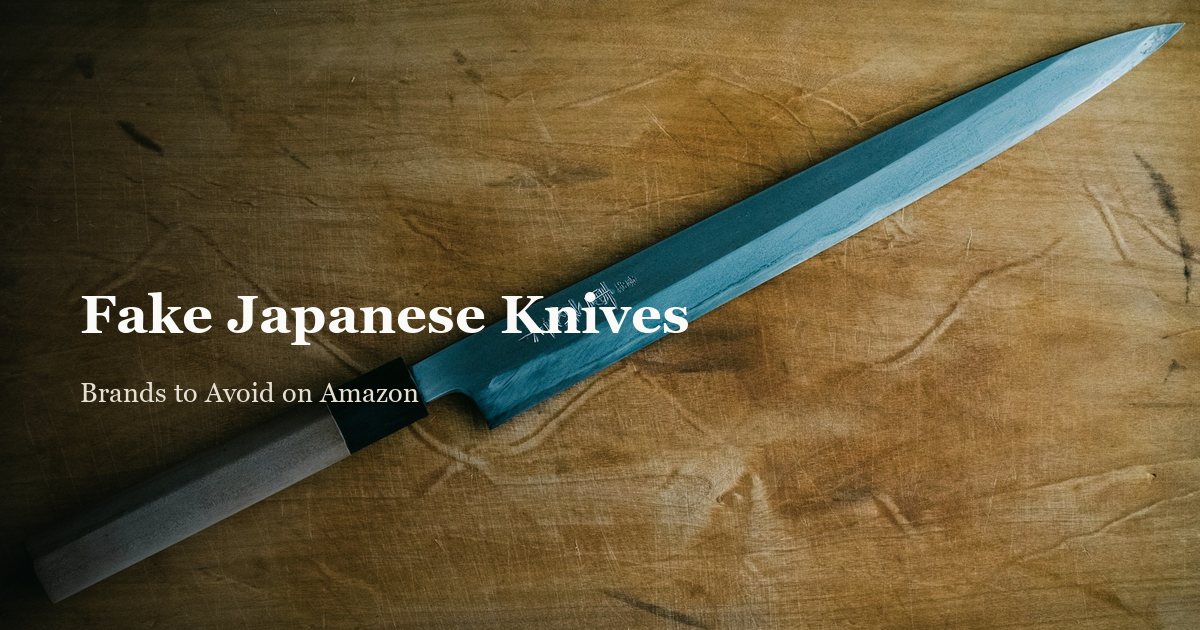
Fake Japanese Knives: Brands to Avoid on Amazon
Independent research on knife brands reported to sell Chinese-made blades as Japanese, plus three genuine Made-in-Japan santoku picks to buy instead.
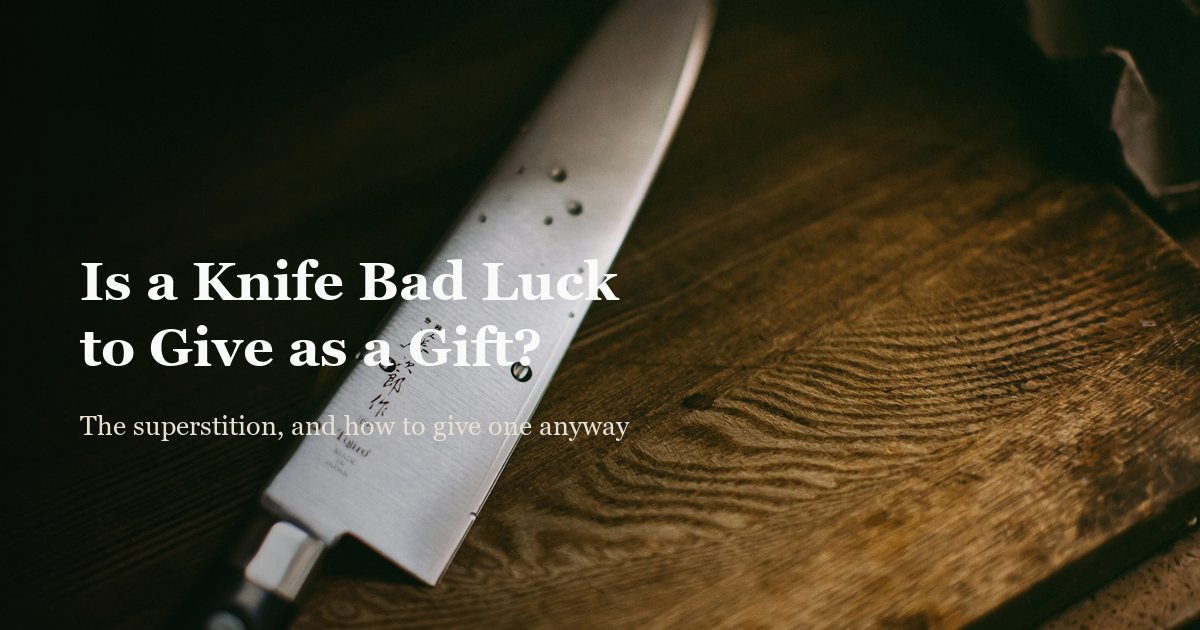
Is a Japanese Knife Bad Luck to Give as a Gift?
The Japanese superstition behind gifting a knife, the 5-yen coin tradition that cancels it out, and two picks actually worth giving despite it.
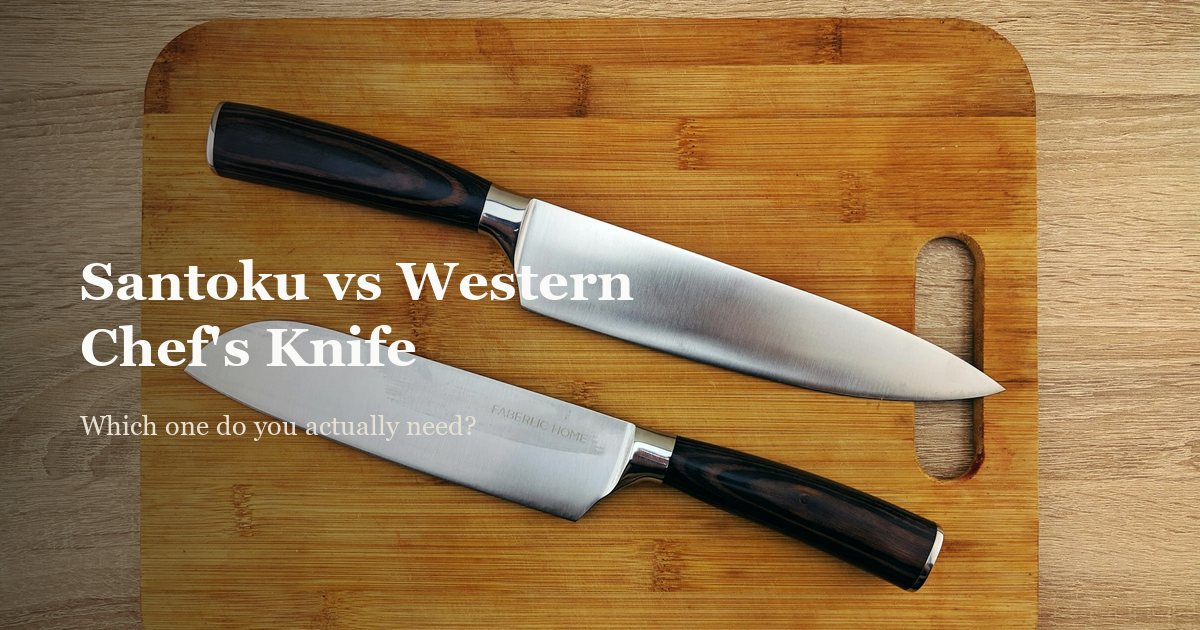
Santoku vs Western Chef's Knife: Which Do You Need?
The real differences between a santoku and a Western chef's knife — edge angle, weight, blade shape — and which one actually fits how you cook.
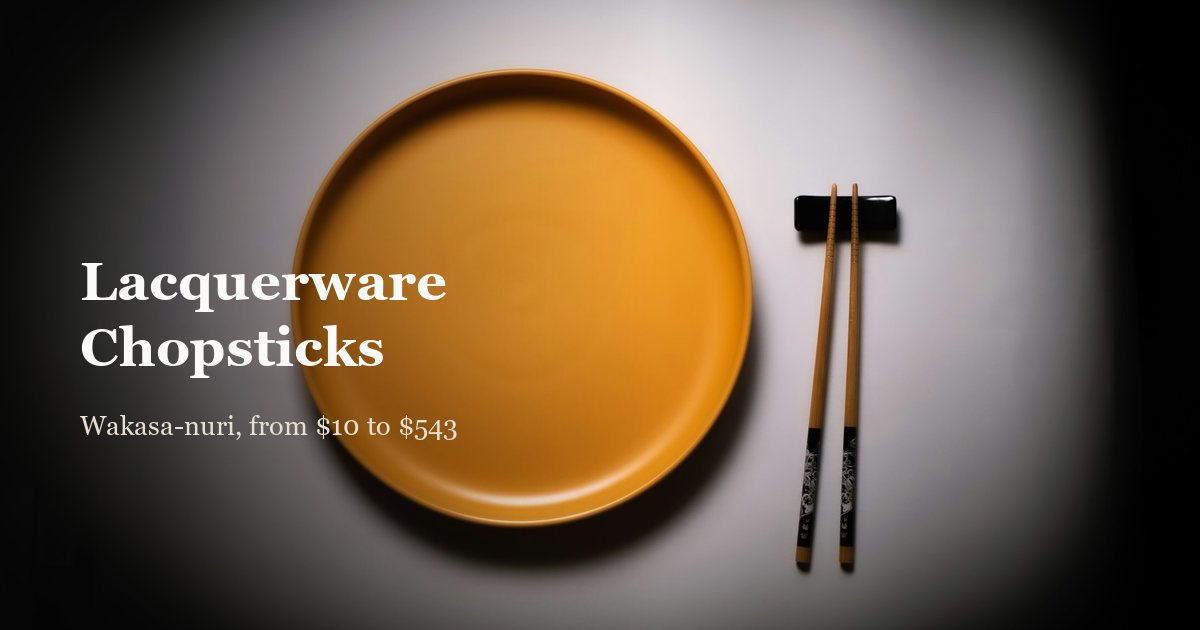
Best Japanese Lacquerware Chopsticks: 5 Wakasa-Nuri Picks
Five real Wakasa lacquerware chopsticks from $10 to $543, and an honest look at how many are urushi versus urethane, based on each product's own spec sheet.
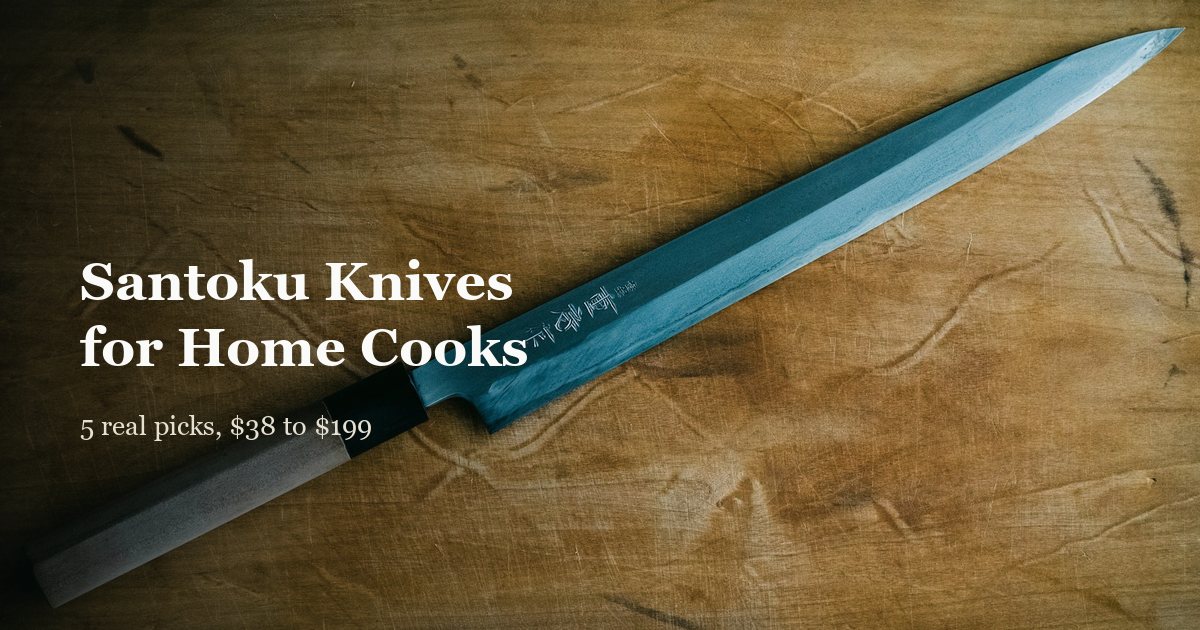
Best Japanese Santoku Knives for Home Cooks: 6 Picks in 2026
Six real, in-stock Japanese santoku knives from $38 to $199 — including two cases where Amazon actually beats the maker's own listed price.
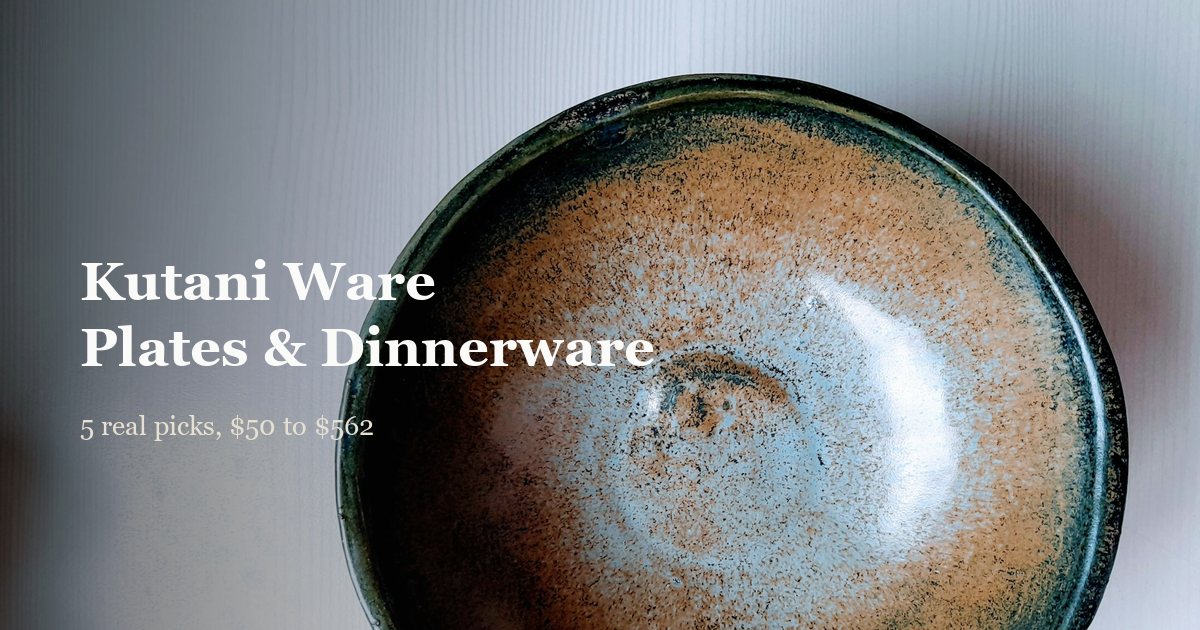
Best Kutani Ware Plates and Dinnerware: 5 Picks in 2026
Five real, in-stock Kutani ware pieces from $50 to $562 — plus how to tell genuine Kutani from Amazon listings that just borrow the name.
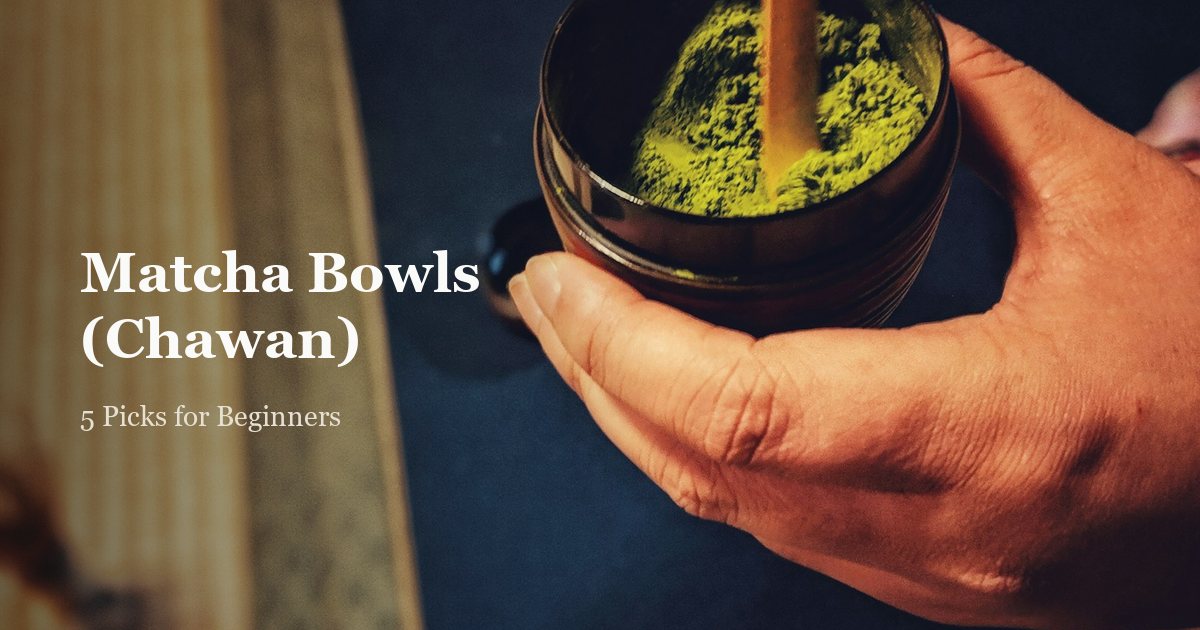
Best Matcha Bowls (Chawan) for Beginners: 5 Picks in 2026
Five real, in-stock matcha bowls for home use, from a $74 Kutani-ware starter piece to a full lacquerware tea set, plus two genuinely Japan-made Amazon options.
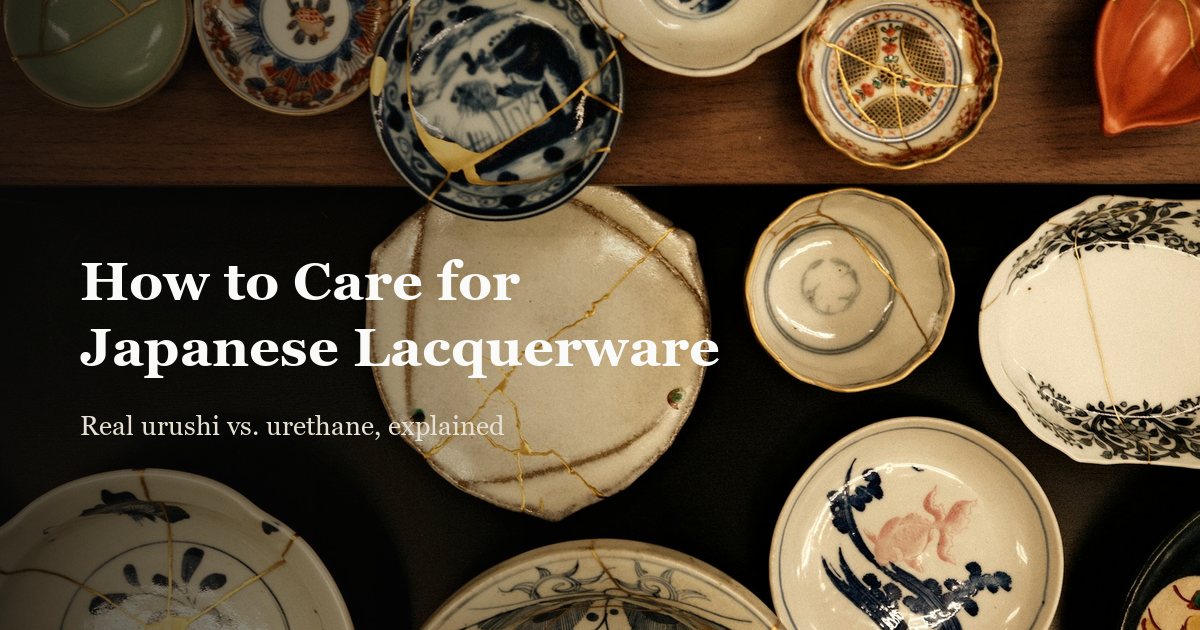
How to Care for Japanese Lacquerware (and Spot Real Urushi)
How to wash, dry, and store genuine urushi lacquerware versus urethane-coated pieces, how urushi ages, and what actually happens when it gets damaged.
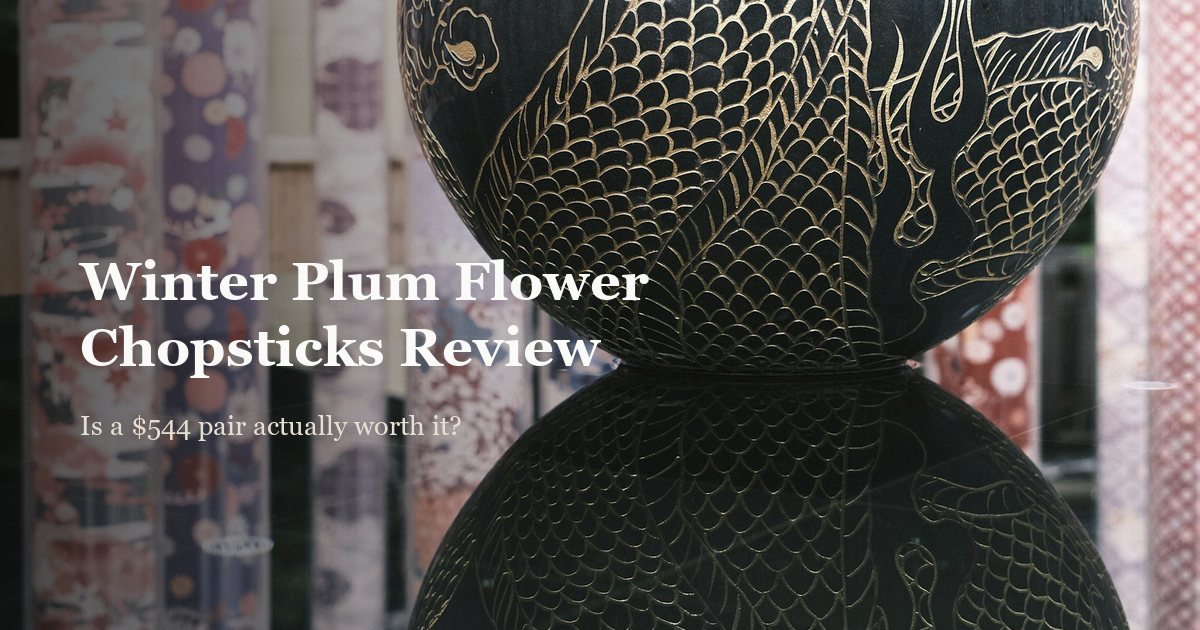
Winter Plum Flower Chopsticks: Is a $544 Pair Worth It?
A close look at Furukawa Wakasa Lacquerware's Winter Plum Flower chopsticks, hand-inlaid by a real fourth-generation artisan, and whether the price holds up.