Some of the shops we link to are partners who may pay us when you buy through them. This doesn't change which pieces we recommend. How this works.
Quick answer: a deba is a thick, heavy, single-bevel Japanese knife built to break down a whole fish, head, bones, and all, while a Western fillet knife is thin and flexible, built to slide along the spine of an already-headed fish and remove a clean fillet in one motion. If you’re buying whole fish and butchering them yourself, a deba does more of the job with one knife. If you’re filleting pre-cleaned fish or working with delicate, boneless cuts, a fillet knife is the easier, more forgiving tool.
Two Different Answers to the Same Problem
Both knives exist to get meat off a fish, but they were built for different starting points. A deba assumes you’re starting with a whole fish and need to get through the head and rib bones as well as the flesh, so the blade is thick and heavy enough to take real force without chipping. A fillet knife assumes the hard work (scaling, gutting, sometimes heading) is already done, and its thin, flexible blade is built to hug the spine and skin of a mostly-prepared fish rather than cut through anything solid.
That difference in intent shows up in how each is actually used. A deba works in short, controlled strokes close to the bone, using the knife’s weight to do the cutting rather than pressure from your arm; you’re not trying to remove the whole fillet in one pass. A Western fillet knife is the opposite: one long, continuous pull down the length of the fish, letting the blade’s flex ride along the bone structure. Trying to use a deba’s technique with a fillet knife just bends the blade; trying to use a fillet knife’s technique with a deba wastes the tool’s actual strength.
Deba Knives: Comparison at a Glance
| JapanBargain Deba (6.25”) | Sakai Takayuki Kasumitogi Deba (165mm) | |
|---|---|---|
| Steel | High-carbon stainless | Yasuki white steel (carbon steel) |
| Edge | Single bevel | Single bevel |
| Handle | Wood | Magnolia wood with buffalo horn ferrule |
| Rating | 4.1/5 (88 ratings) | Established brand, sold on multiple specialty retailers |
| Best for | A first deba, everyday fish prep | Serious home cooks who already know they’ll use it regularly |
Prices checked via Amazon.com listings and hocho-knife.com on 2026-09-12; carbon steel Sakai Takayuki models typically run $100–$150 depending on size and finish, considerably more than the stainless JapanBargain entry point.
JapanBargain Deba Knife (6.25”) — Best for a First Deba
This is a straightforward, stainless-steel deba forged in Seki City, one of Japan’s two historic blade-making centers (the other being Sakai, where the second pick here comes from). Stainless steel means less maintenance than a carbon-steel deba, at some cost to how fine an edge it can take and hold. At 88 ratings and a 4.1-star average, it’s a reasonable, low-risk way to find out whether you’ll actually reach for a deba regularly before spending more.
Pros:
- Real single-bevel deba geometry, not a Western knife reshaped to look Japanese
- Stainless steel, easier to maintain than carbon steel for someone new to single-bevel knives
- Made in Seki City, a genuine center of Japanese blade production
Cons:
- Stainless steel won’t take or hold as fine an edge as the carbon steel Sakai Takayuki pick
- At 6.25”, better suited to smaller fish than the larger species a bigger deba handles
Bottom line: the pick if you’re not sure yet whether you’ll use a deba often enough to justify a carbon-steel knife. Check price on Amazon →
Sakai Takayuki Kasumitogi Deba (165mm) — Best for Regular Use
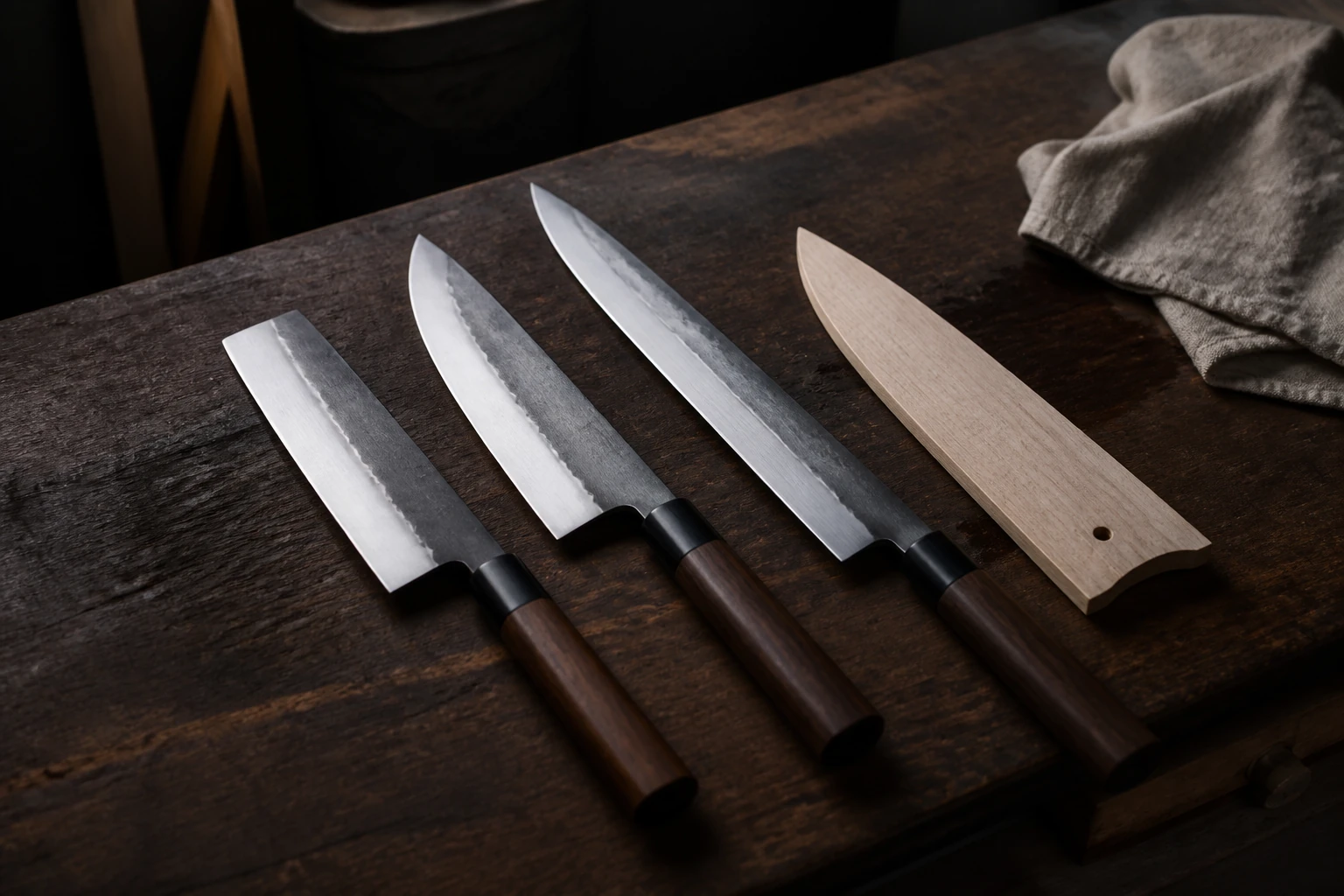
Sakai Takayuki is a long-established maker from Sakai, Japan’s other historic cutlery center, and this deba (item no. 06036) uses Yasuki white steel, listed as White Paper #3 on Hocho Knife’s spec sheet, a carbon steel prized for taking an extremely sharp, fine edge, at the cost of needing to be dried after use to avoid rust. This is the step up once you already know breaking down whole fish is a regular part of how you cook, not an occasional project.
Pros:
- Carbon steel takes a noticeably sharper, more precise edge than stainless
- From an established, specialist Japanese cutlery maker, not a generic import
- Sized (165mm) for a wider range of fish than the smaller JapanBargain option
Cons:
- Carbon steel needs to be dried immediately after use and lightly oiled to prevent rust; not a “wash and forget” knife
- Meaningfully more expensive than the stainless entry-level option
Bottom line: the pick once you already know you’ll use a deba often enough that the sharper, longer-holding edge is worth the extra maintenance. Check price on Amazon → or check price at Hocho Knife →
When a Fillet Knife Is Actually the Better Tool
If you’re buying fish that’s already been scaled and gutted, or working with smaller, boneless fillets rather than whole fish, a good Western fillet knife (any reputable brand with a thin, flexible 6–9 inch blade) will be easier to use well than a deba, which is a heavier, less forgiving tool for that specific job. A deba’s advantage is doing the whole job, head to fillet, with one knife; if you never need that first half of the job, you’re paying for capability you won’t use.
FAQ
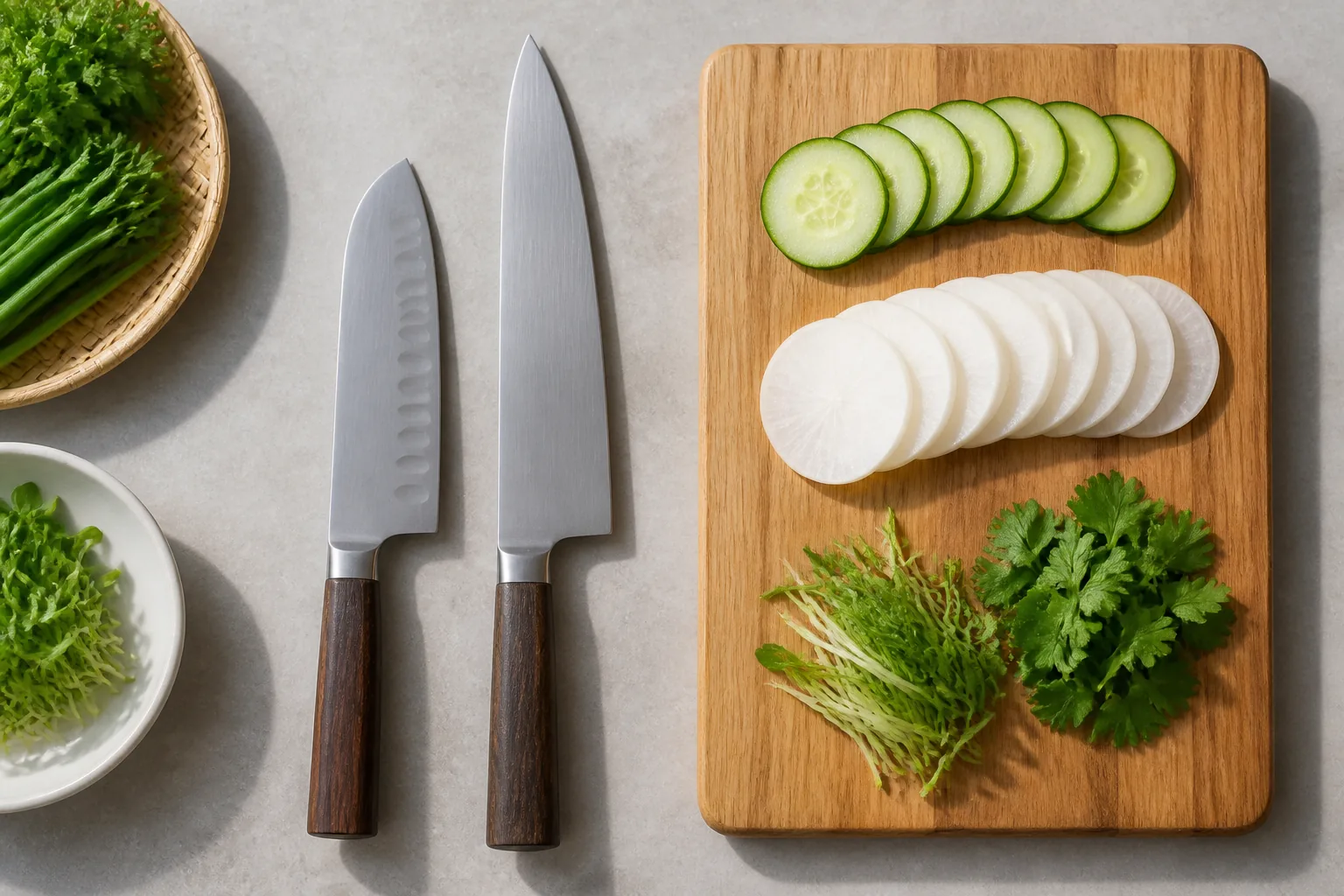
Can I use a deba as a general kitchen knife? Not really. The thick spine and single bevel are built specifically for cutting through fish bone and cartilage, not for the rock-chop technique most Western general-purpose knives use. A santoku or nakiri covers general prep better.
Is a deba only for fish? Traditionally yes. Some cooks use a smaller deba for poultry, since the technique (cutting through joints and small bones with short, controlled strokes) translates reasonably well, but it isn’t designed as a general meat knife.
Why is a deba single-bevel instead of double-bevel like most Western knives? The single bevel lets the flat back of the blade ride flush against bone while the beveled edge does the cutting, which gives more control when working close to a fish’s skeleton than a symmetrical double-bevel edge does.
Does a deba need to be carbon steel? No, stainless deba knives exist and are easier to maintain, but they generally won’t hold as fine an edge as a carbon-steel deba like the Sakai Takayuki pick. Which one you want depends on how much maintenance you’re willing to do for a sharper edge.
Final Thoughts
A deba and a fillet knife aren’t really competing for the same job; they’re built for opposite ends of the same task. Start with the JapanBargain deba if you’re not sure how often you’ll actually break down whole fish, and move to something like the Sakai Takayuki once you know it’s a regular part of your cooking. If your fish always arrives already cleaned, a good fillet knife will serve you better than either deba here.