Tag: review
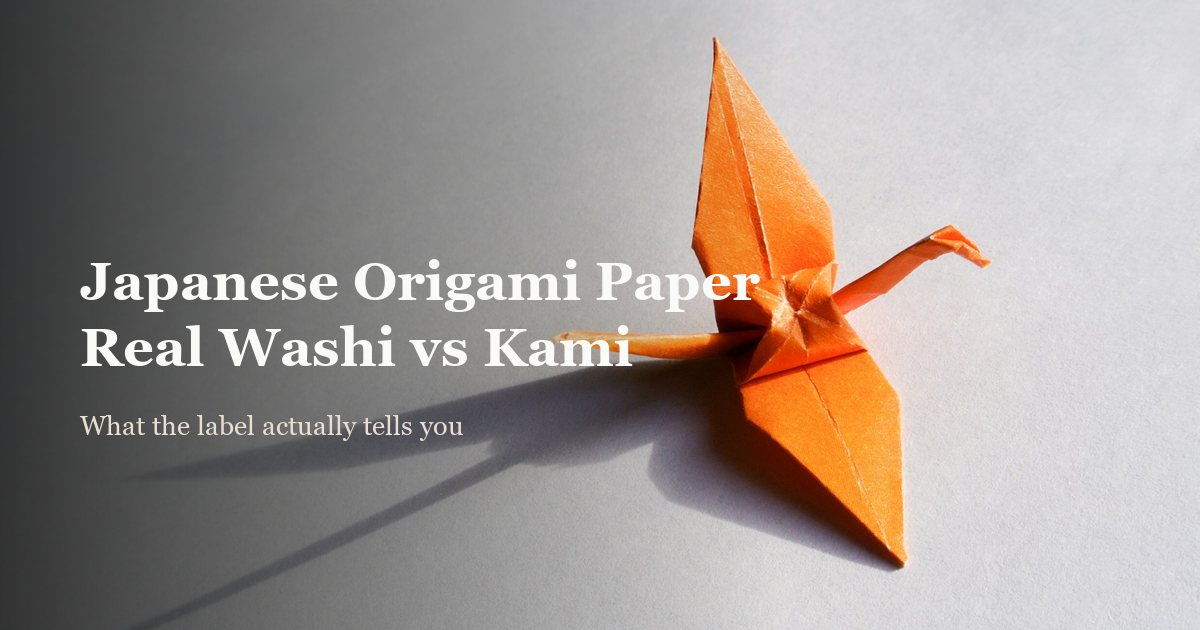
Best Japanese Origami Paper: Real Washi vs Regular Kami
Most origami paper sold as "washi" is printed kami, not kozo-fiber washi. Three Japan-made packs from Toyo, Taro's, and JapanBargain, and what each label means.
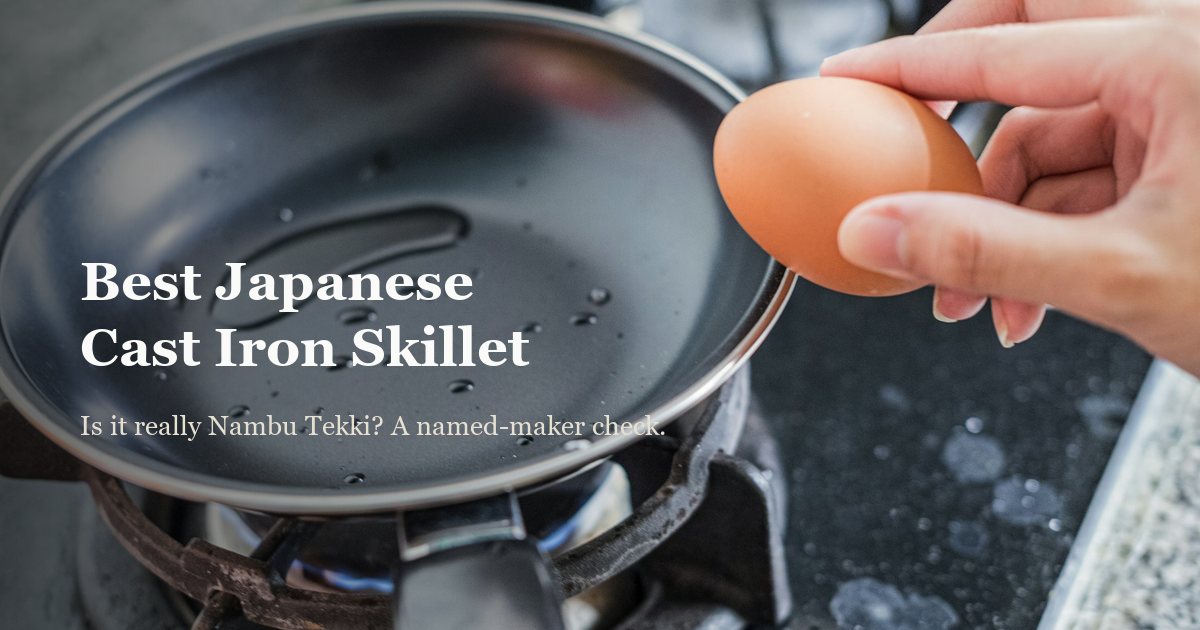
Best Japanese Cast Iron Skillet: Is It Really Nambu Tekki?
"Nambu Tekki" isn't protected outside Japan: a Chinese court gave the trademark to a third party in 2018. How to find a skillet made by a named Iwate ironworks.
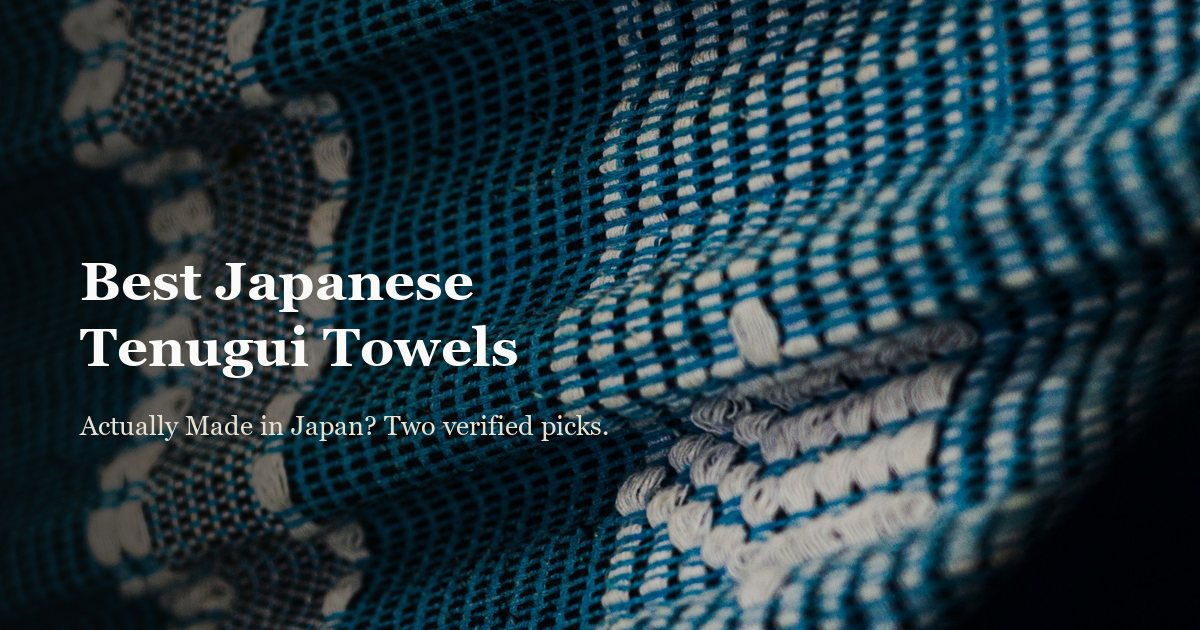
Best Japanese Tenugui Towels: Actually Made in Japan?
Tenugui isn't a protected name, so look for a named maker and a stated "Made in Japan" in the listing. Two picks that clear that bar, and one that doesn't.
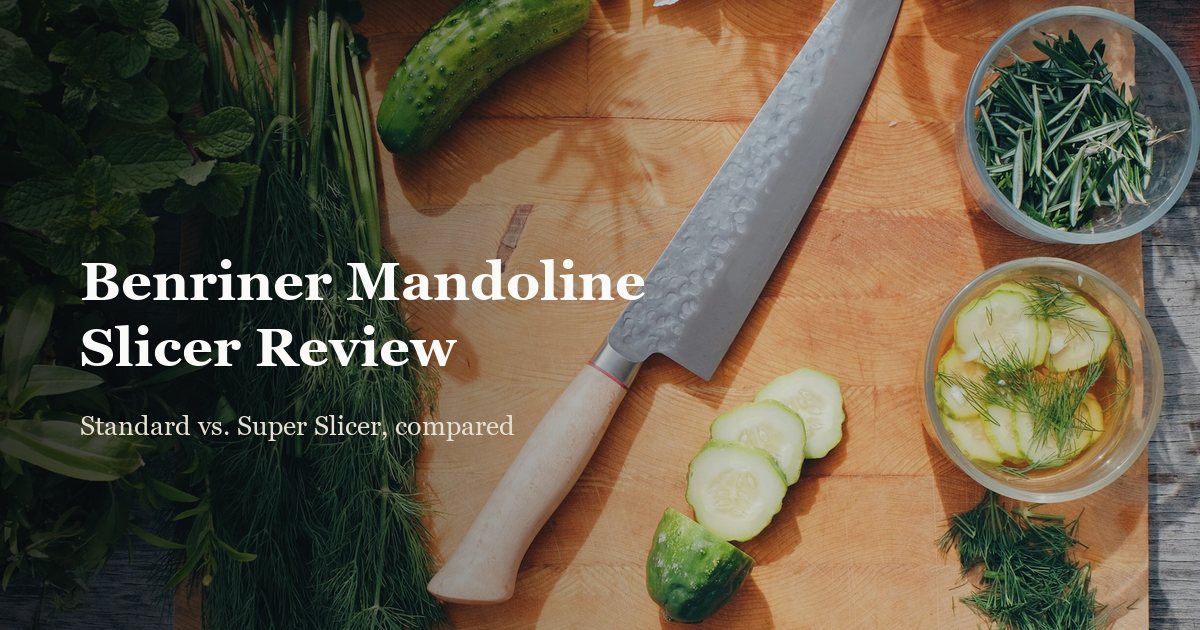
Benriner Mandoline Slicer Review: Worth Buying?
Benriner has made Japan's standard kitchen mandoline since the 1940s. How the standard, compact, and Super Slicer sizes compare, and which one is worth buying.
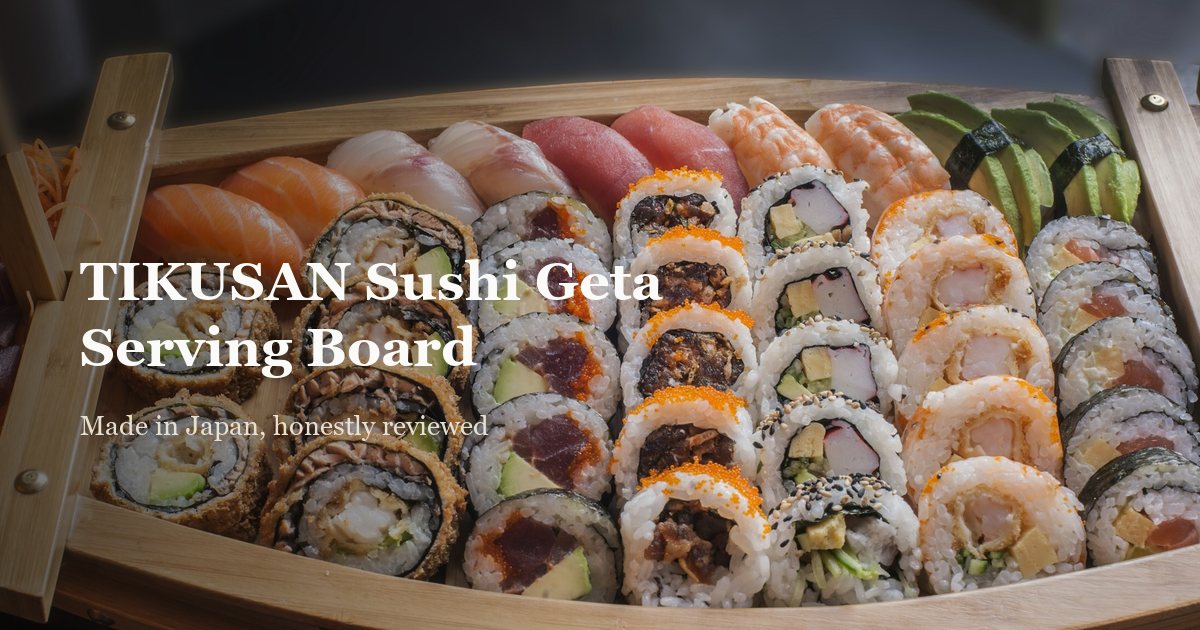
TIKUSAN Sushi Geta Serving Board Review: Made in Japan?
TIKUSAN's hinoki sushi geta states Made in Japan in its product details. What the two sizes cost, and why the review count is worth checking first.
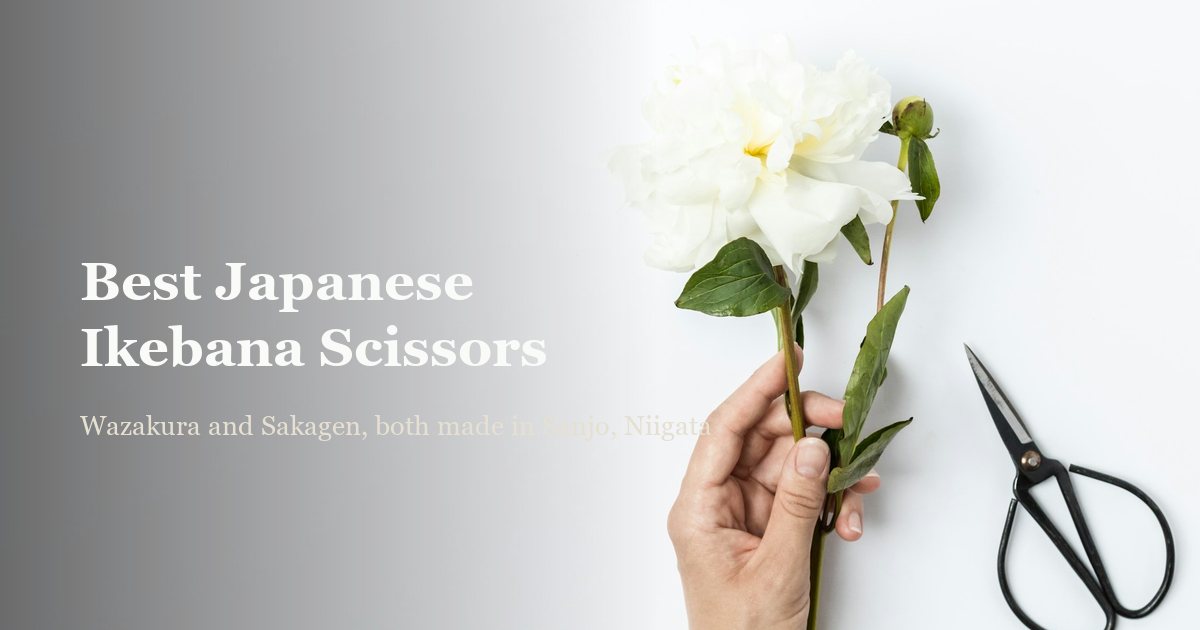
Best Japanese Ikebana Scissors: Actually Made in Japan?
Wazakura and Sakagen both trace back to Sanjo, Niigata, and name it directly on the listing. Most 'ikebana scissors' on Amazon never say where they're forged.
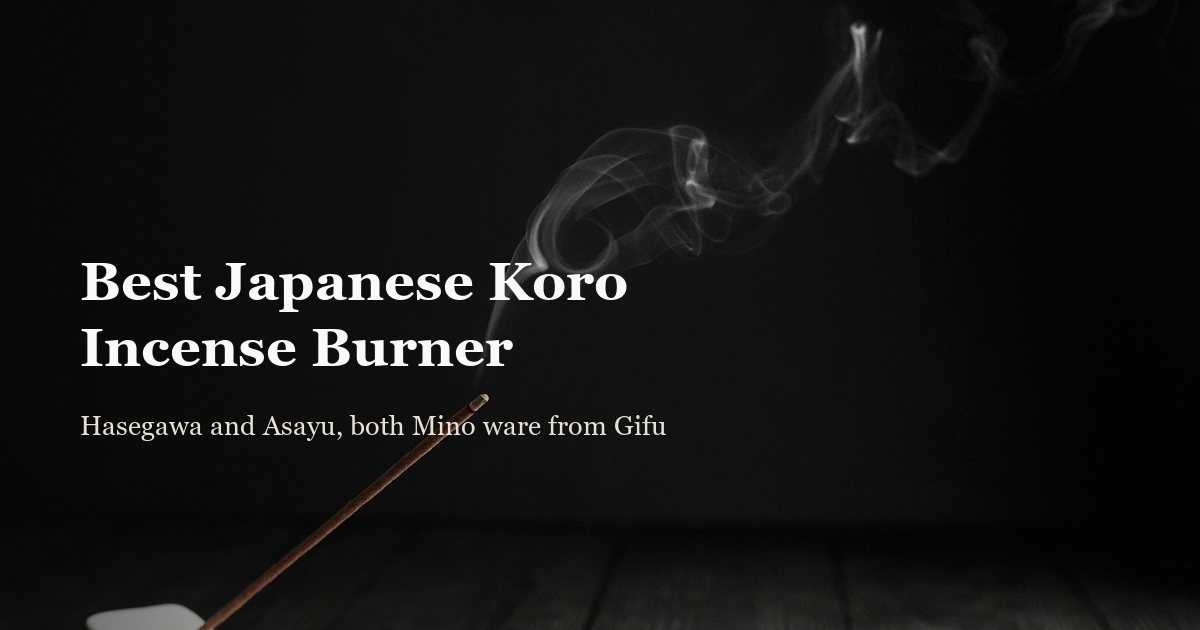
Best Japanese Koro Incense Burner: Actually Made in Japan?
Hasegawa and Asayu Japan name a kiln region (Mino ware, Gifu) on their koro incense burners. Most 'Zen incense burner' listings on Amazon name none at all.
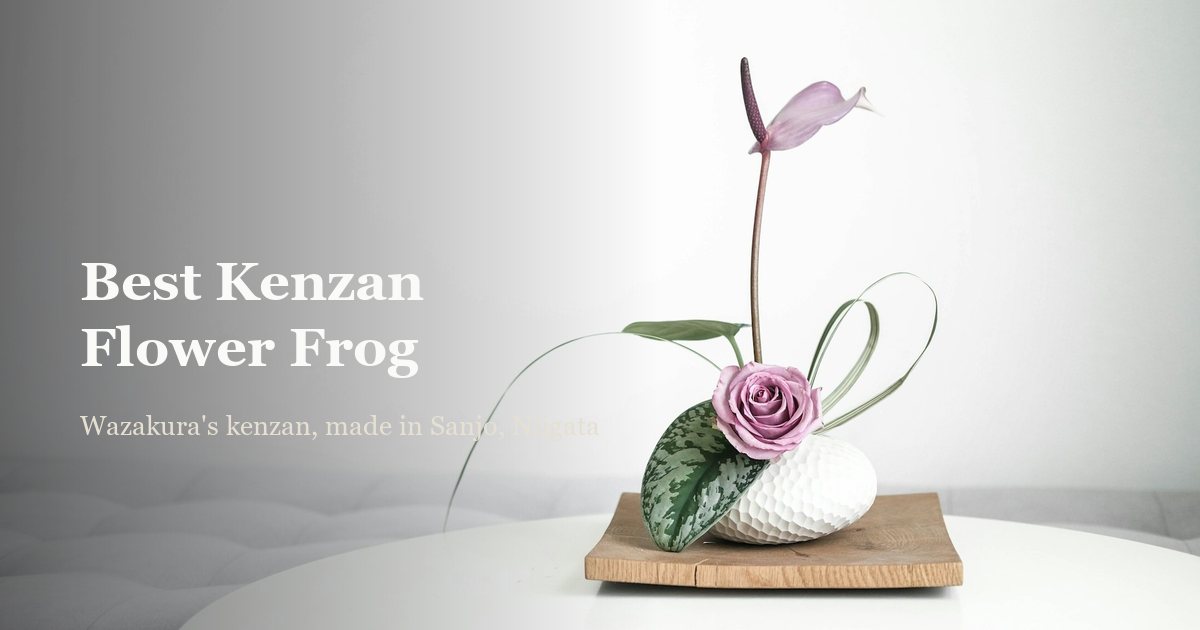
Best Kenzan Flower Frog: Actually Made in Japan?
Wazakura's kenzan pin frogs list Sanjo, Niigata as their origin. Most other 'ikebana flower frog' listings on Amazon never say where they're forged.
Best Hinoki Bath Stools: Actually Made in Japan?
Three real hinoki bath stools from Amazon and Japanese Taste, checked against a $114 IPPINKA listing that skips the Made in Japan field entirely.
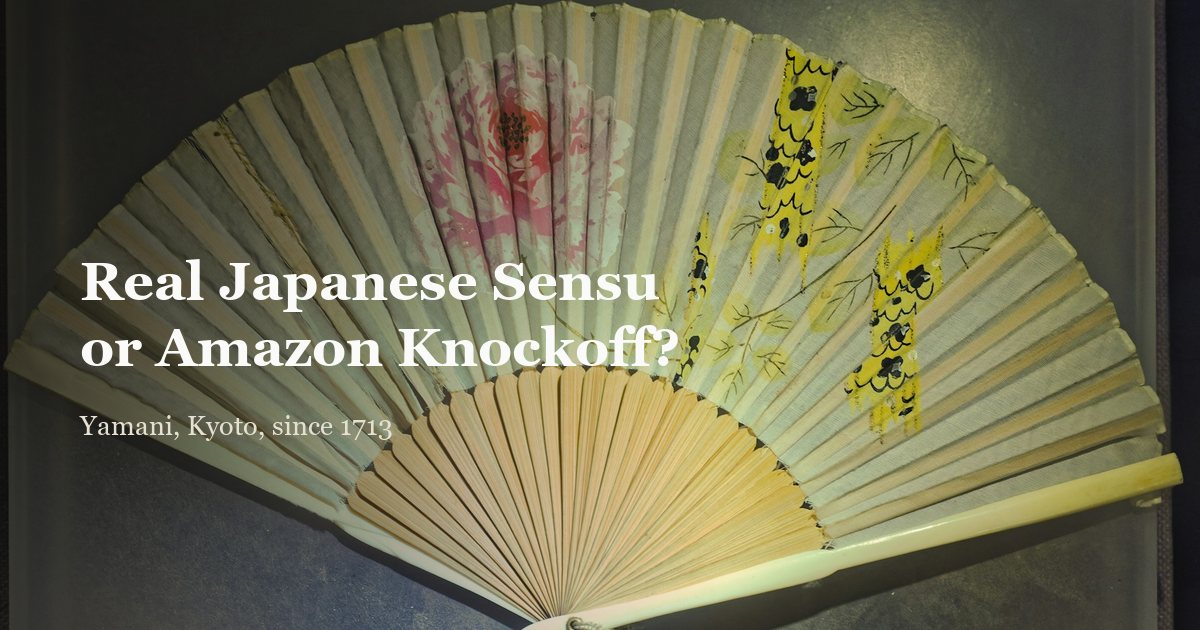
Best Japanese Sensu Folding Fans: Actually Made in Japan?
Yamani has made sensu in Kyoto since 1713. Most Amazon 'Japanese' folding fans are labeled Chinese Japanese Fan and never say where they're made.
Japanese Geta Sandals: Sizing Guide and What to Check
Geta are meant to overhang the heel by about an inch, which most buyers size against. Plus what to check before buying, since no Amazon listing states origin.
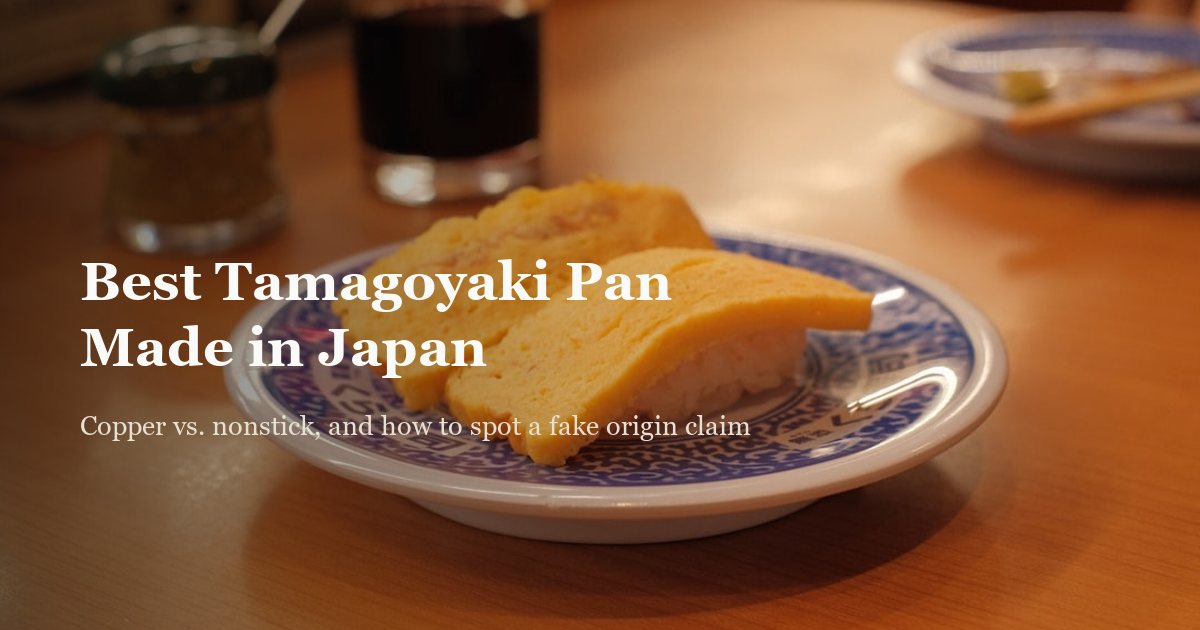
Best Japanese Tamagoyaki Pan Made in Japan (2026)
A popular 'Japanese Omelette Pan' on Amazon is openly labeled Made in Korea. Two real Japan-made picks, plus how to check country of origin before you buy.
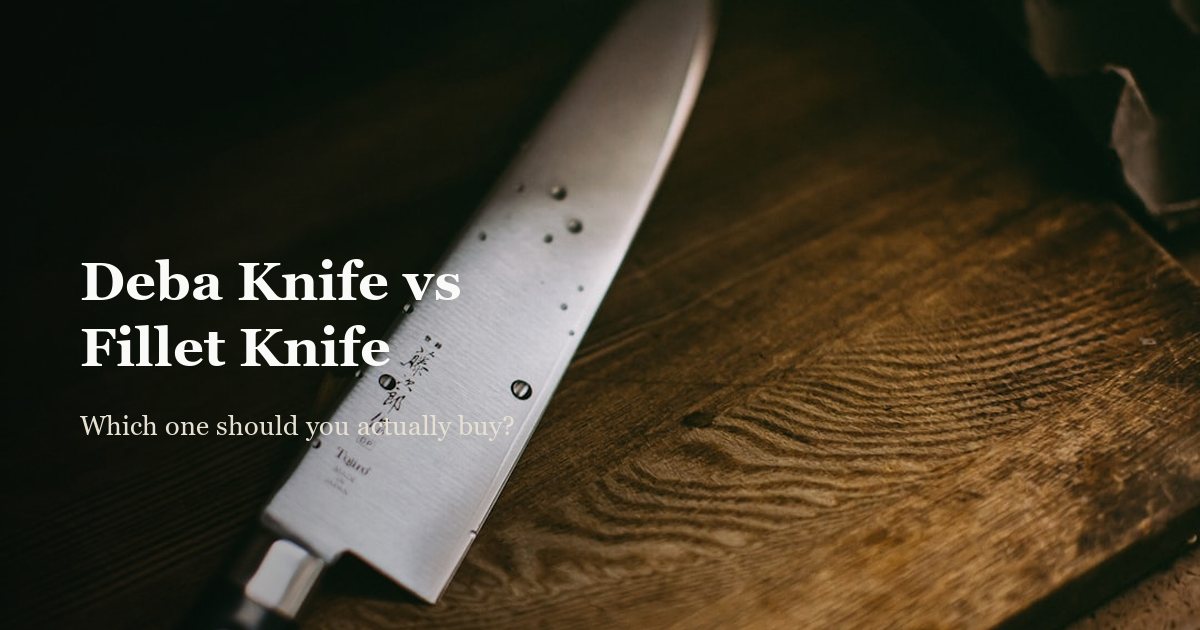
Deba Knife vs Fillet Knife: Which Should You Buy?
A Japanese deba knife and a Western fillet knife solve the same problem, breaking down fish, in almost opposite ways. Here's which fits how you cook.
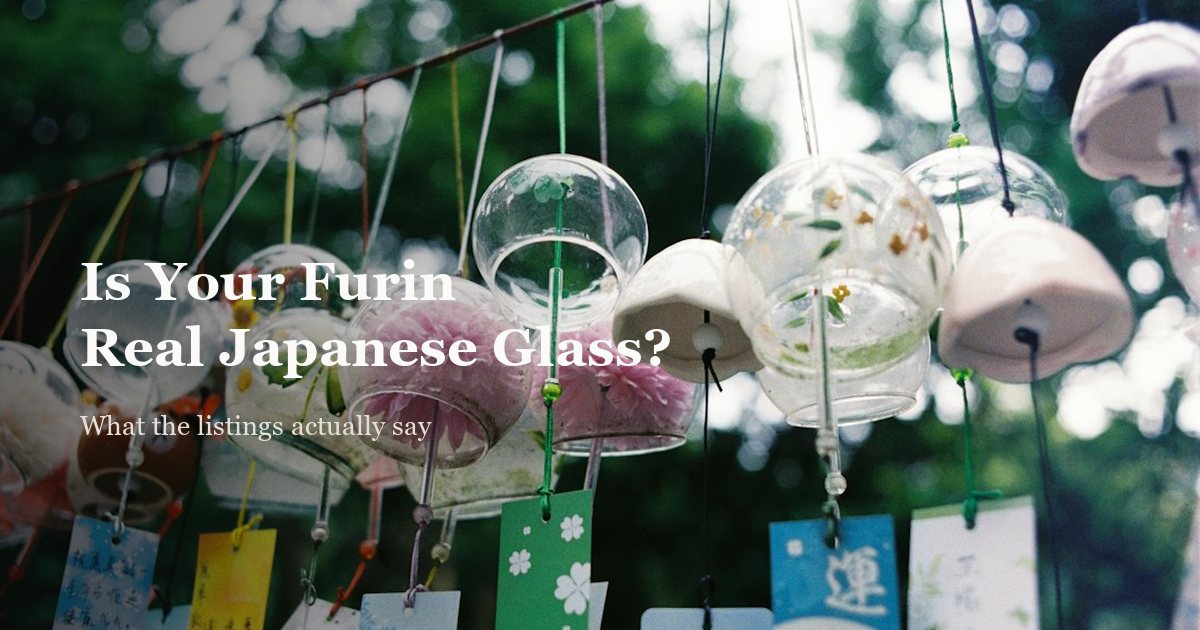
Is Your Furin Wind Chime Real Japanese Glass?
Most 'Japanese furin' wind chimes online are unbranded imports with no origin claim. Here's what a genuine hand-blown Edo furin looks like, and how to tell.
King vs. Shapton Whetstone: Which Should You Buy?
King's combination stone covers two grits in one soak-first stone; Shapton's splash-and-go ceramic sharpens one grit at a time. Here's the real tradeoff.
Shapton vs. Naniwa Whetstone: Which Should You Buy?
Shapton stones are harder and ready instantly; Naniwa stones are thicker, need a brief soak, and last more resurfacings. At the same grit, the edge is a draw.
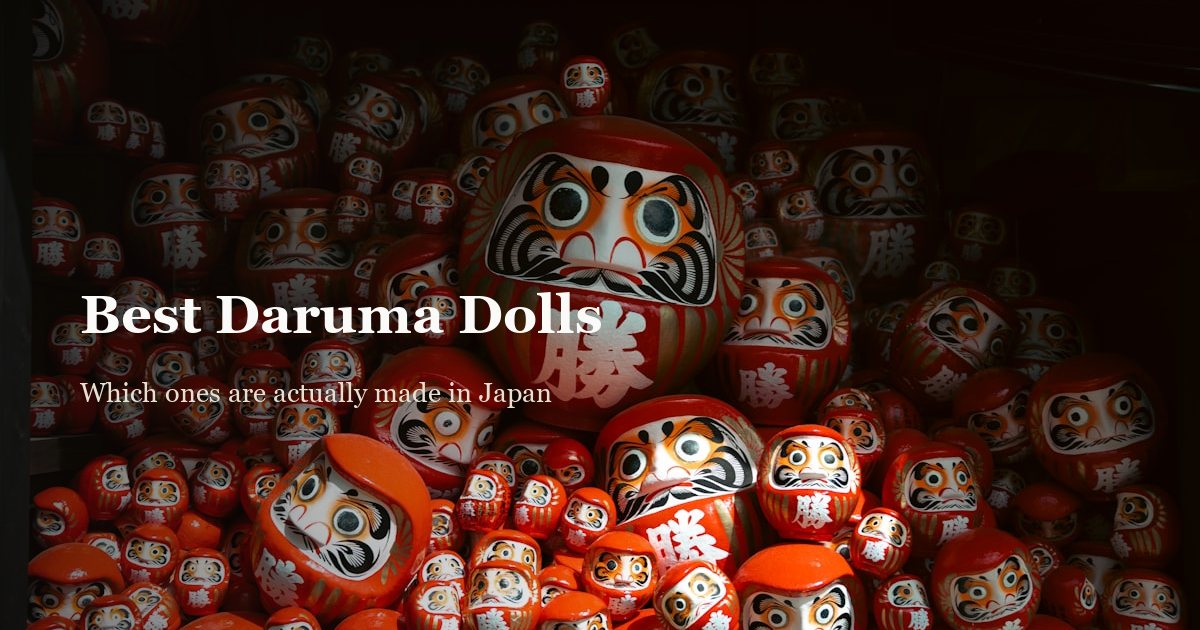
Best Daruma Dolls: Which Ones Are Actually Made in Japan?
About 80% of Japan's daruma dolls come from Takasaki, Gunma. Our two picks name that city directly, most Amazon 'daruma' figurines don't say where they're made.
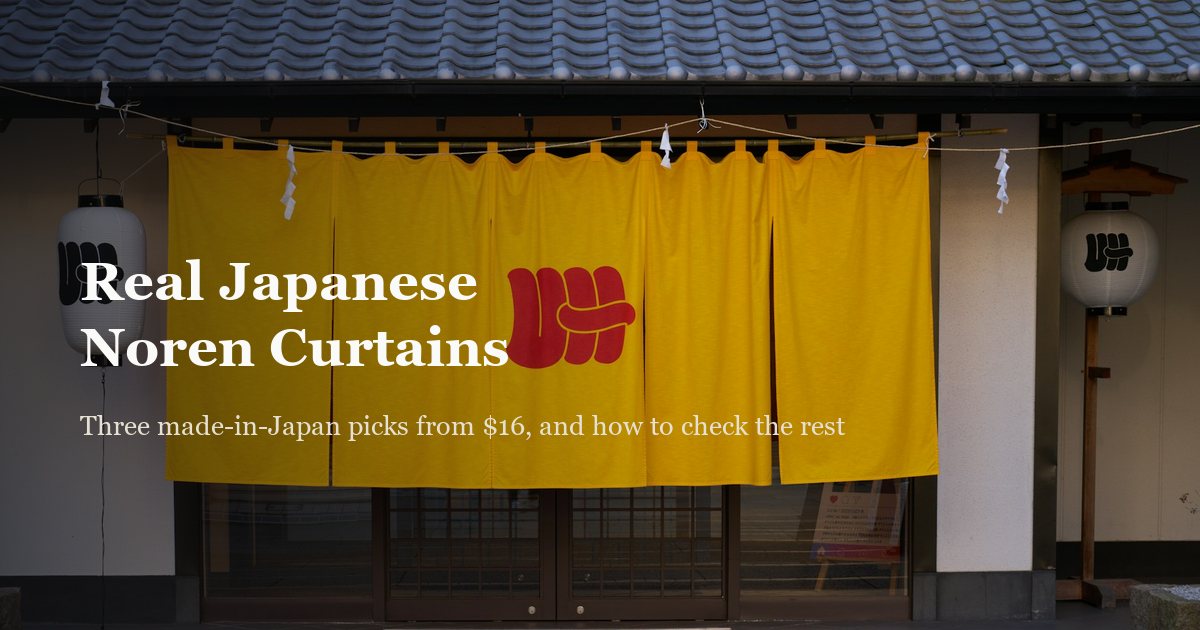
Best Japanese Noren Curtains: Actually Made in Japan?
Noren range from genuine made-in-Japan panels under $25 to prints with no origin claim. Three real picks, and a same-brand listing that quietly says India.
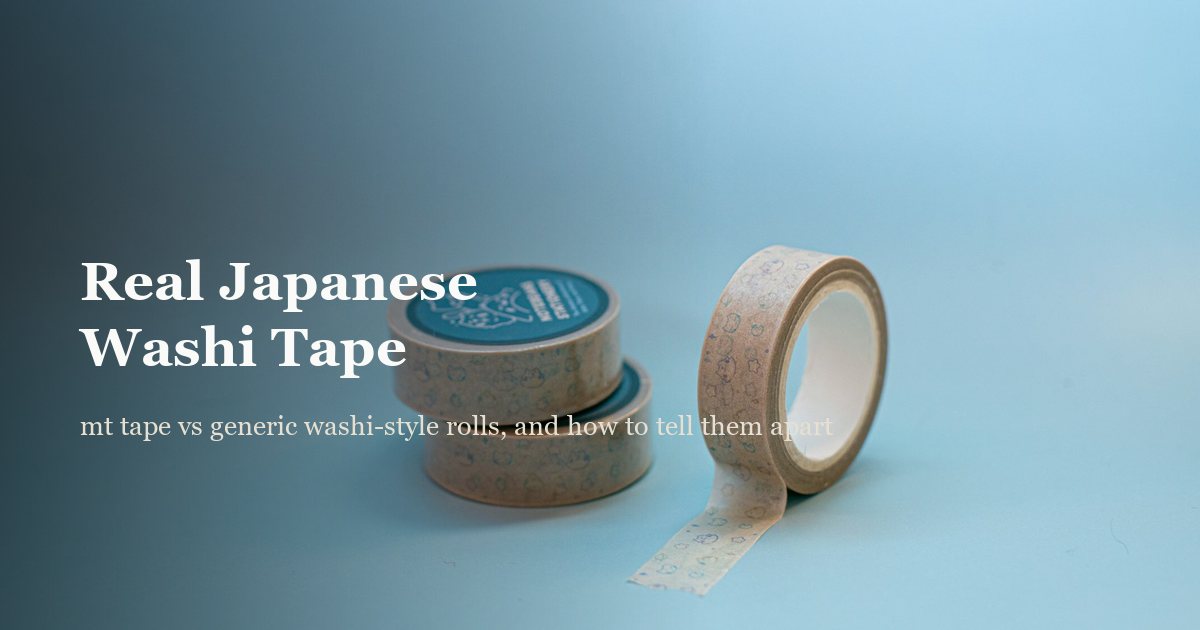
Best Japanese Washi Tape: Actually Made in Japan?
mt washi tape is made by a 100-year-old paper company, Kamoi Kakoshi, named on the listing. Most washi tape packs claim the material with no maker named.
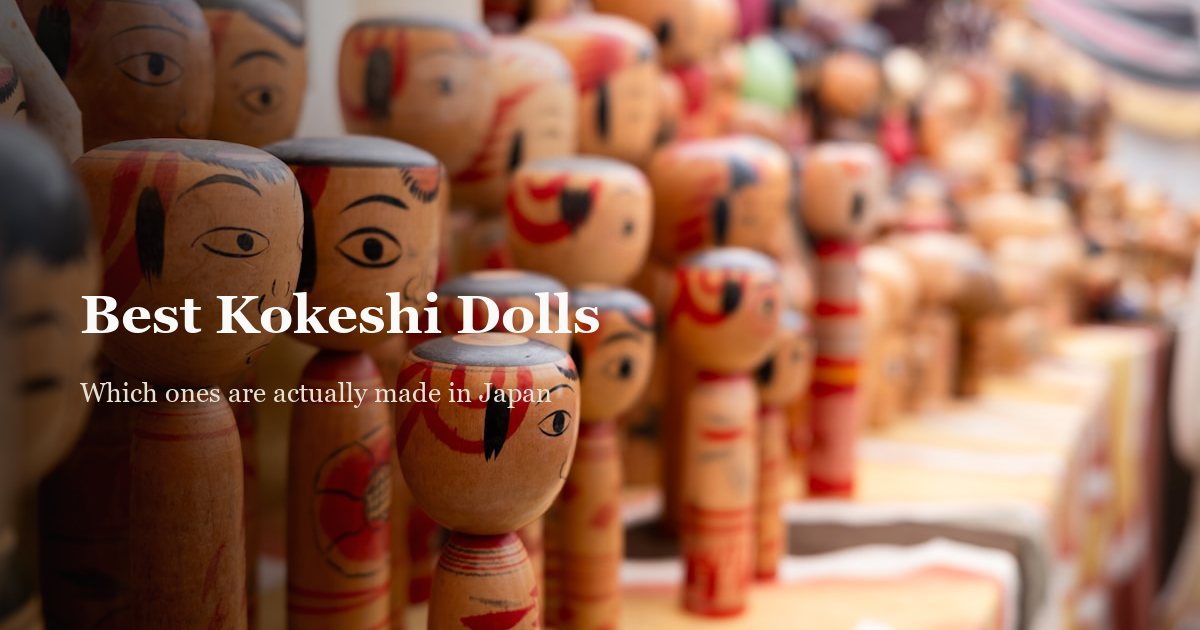
Best Kokeshi Dolls: Which Ones Are Actually Made in Japan?
Usaburo has documented its Gunma workshop since 1955 and names it on every listing. A lot of 'kokeshi-style' dolls sold next to them never name a maker at all.
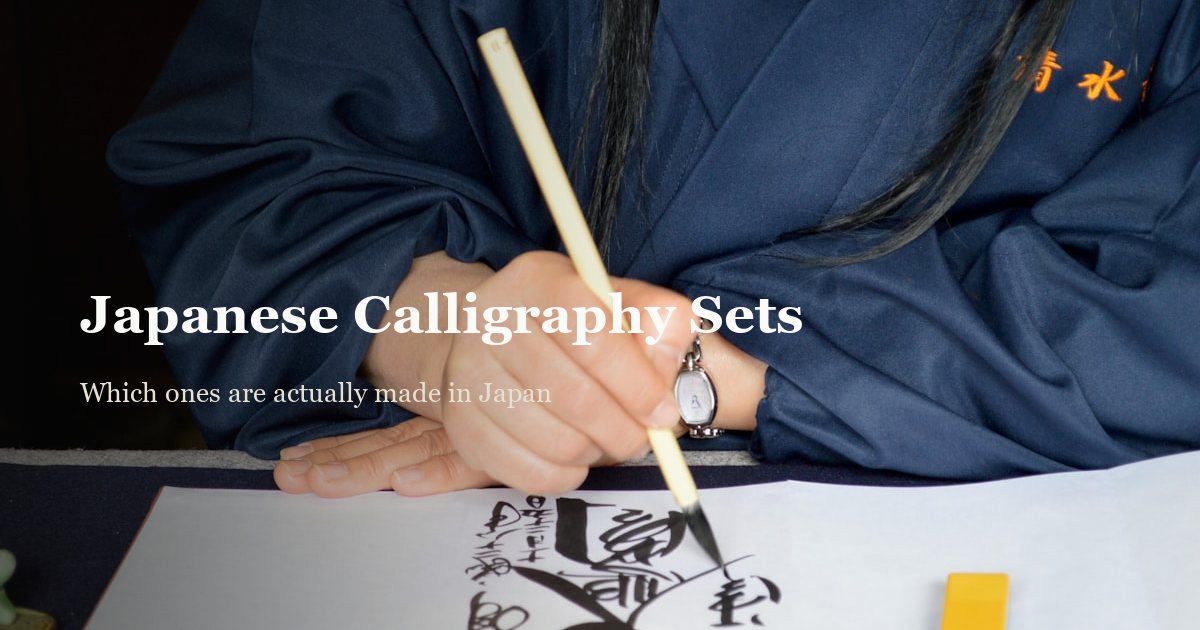
Best Japanese Calligraphy Sets: Actually Made in Japan?
Kuretake, founded in Nara, makes both sets below and still supplies Japanese schools today. Most 'Japanese SHODO' sets on Amazon can't say the same.
Best Japanese Incense: Actually Made in Japan?
Nippon Kodo documents its own history back to 1575 and names it on every listing. A lot of 'Kyoto temple aroma' incense on Amazon never names a company at all.
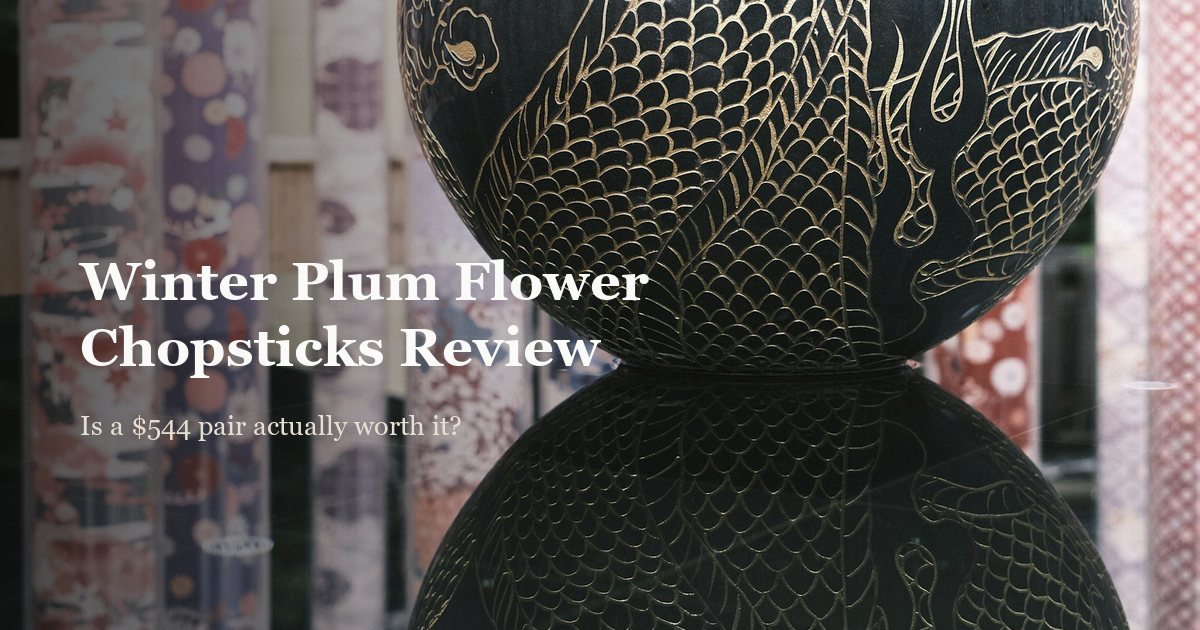
Winter Plum Flower Chopsticks: Is a $544 Pair Worth It?
A close look at Furukawa Wakasa Lacquerware's Winter Plum Flower chopsticks, hand-inlaid by a real fourth-generation artisan, and whether the price holds up.