Tag: ceramics

Japanese Wedding Gifts for Couples: What to Actually Give
The real Japanese wedding tradition is cash in a shugi-bukuro envelope, not tableware. For a lasting gift instead, here are 3 real picks that fit the custom.
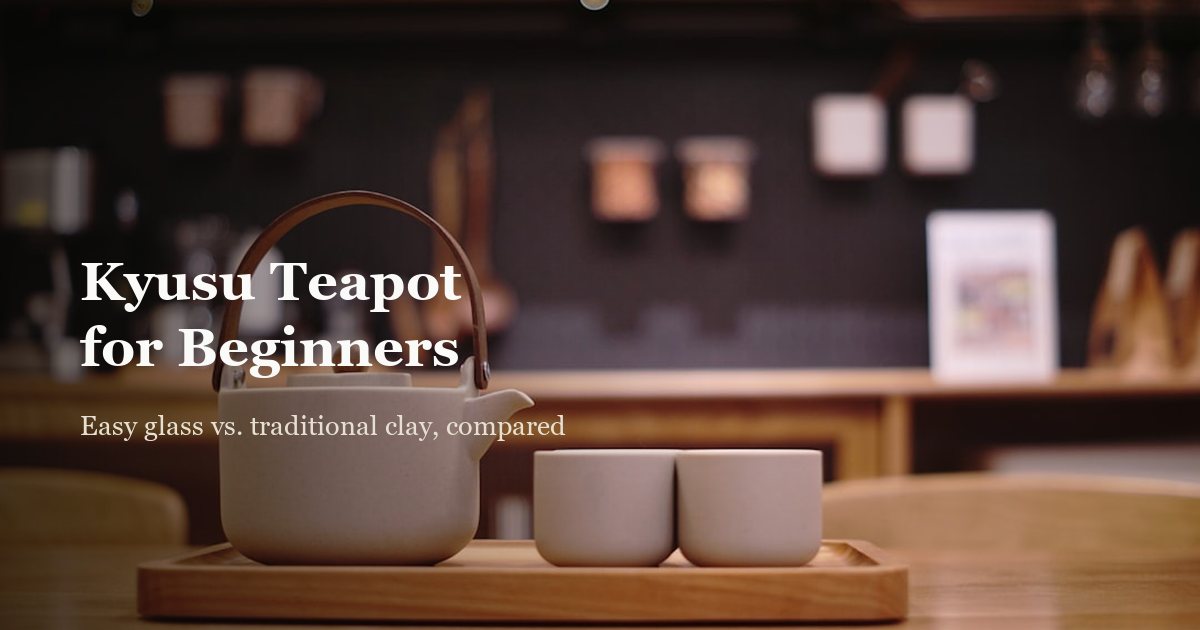
Kyusu Teapot for Beginners: Which One Should You Buy?
A dishwasher-safe glass kyusu is the easiest real first teapot. A traditional Tokoname or Banko one rewards the extra care with better tea. How to pick.
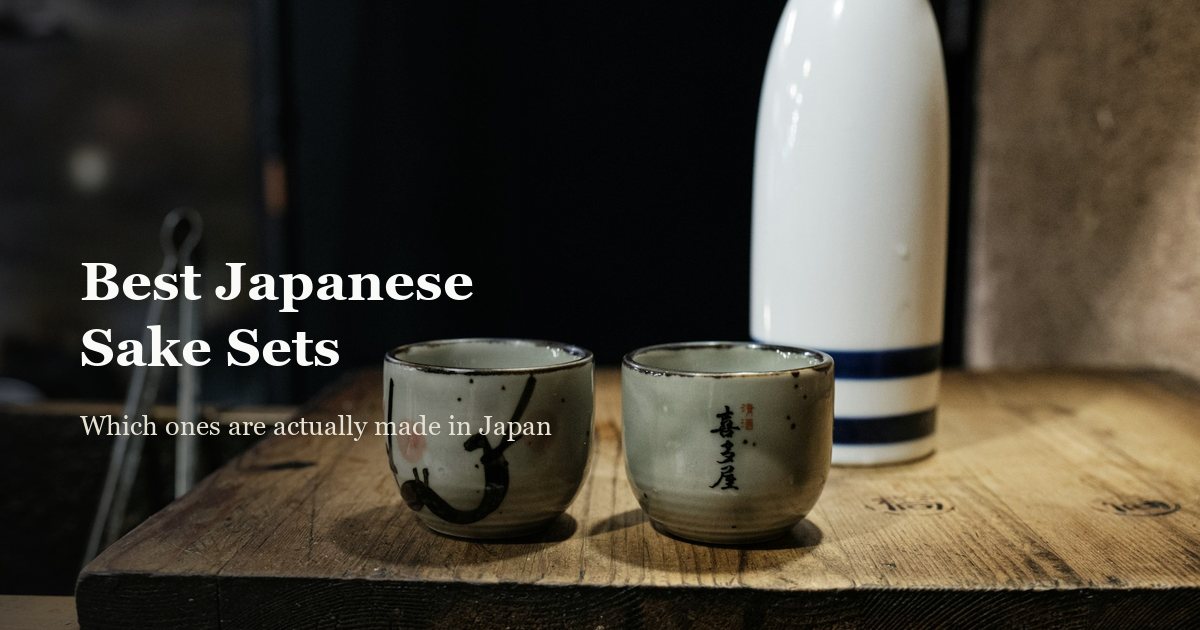
Best Japanese Sake Sets: Actually Made in Japan?
A genuine Mino-yaki pick under $35, plus four named-kiln sets in Kutani, Arita, and Bizen ware, and why most 'Japanese Sake Set' listings never claim Japan.
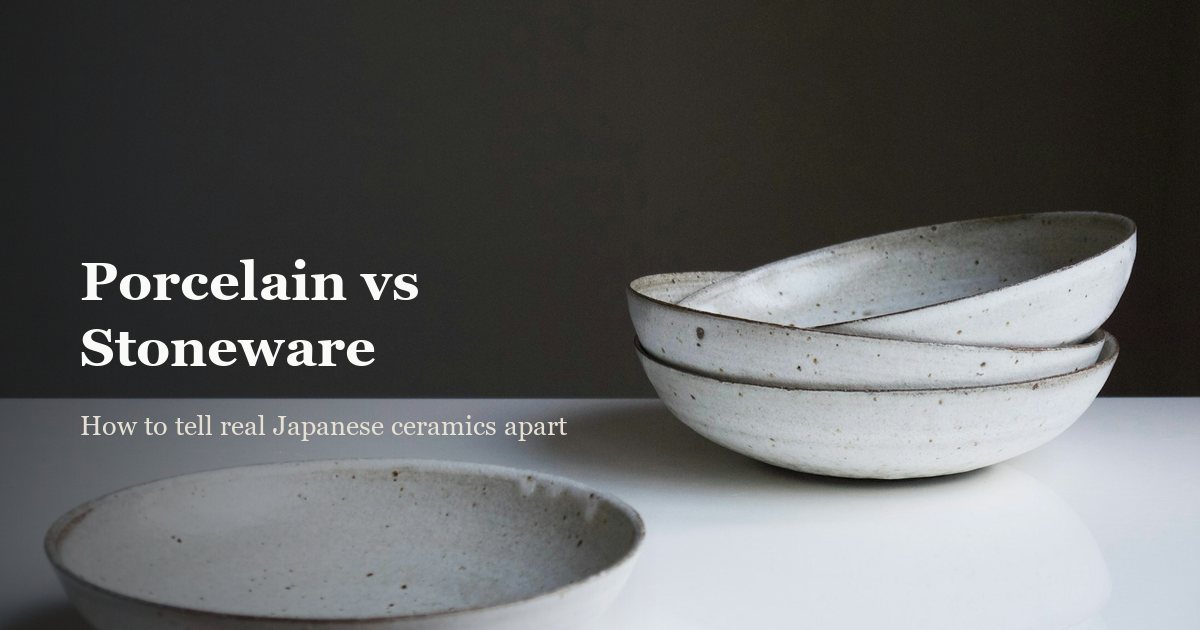
Porcelain vs Stoneware: Spotting Real Japanese Ceramics
The tap-sound test, the light test, and why a Musubi Kiln listing calls the same Kutani ware piece both 'porcelain' and 'stoneware' at once.
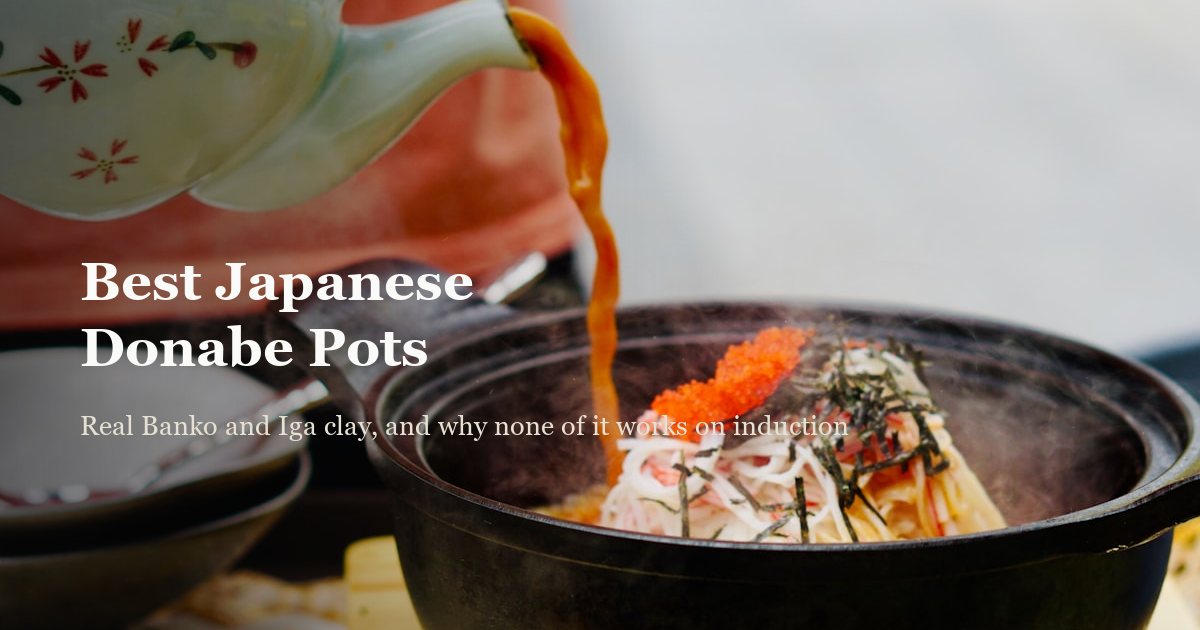
Best Japanese Donabe Pots: Real Banko and Iga Ware
A donabe is unglazed clay from a specific Japanese region, not a generic clay pot, and none of them work on induction. Here's what to check before buying.
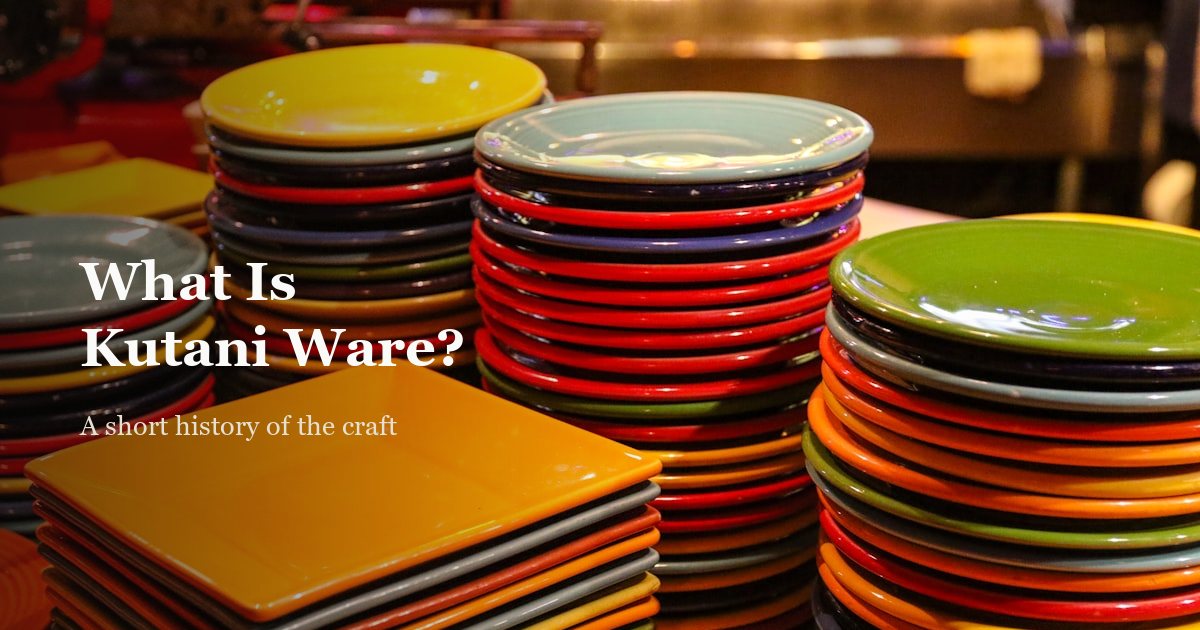
What Is Kutani Ware? A Short History of the Craft
Where Kutani ware actually comes from, what the five-color gosai palette means, and the genuine historical uncertainty behind the earliest pieces.
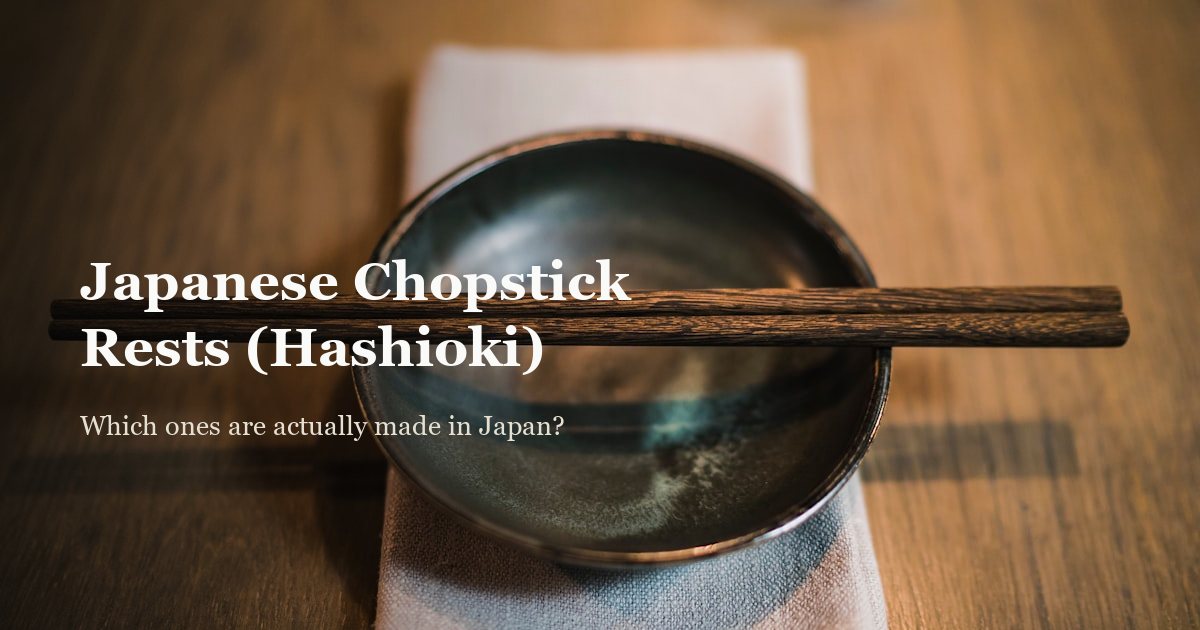
Best Japanese Chopstick Rests (Hashioki): Made in Japan?
Kutani ware and a Kaneshotouki collaboration that state their Japanese origin outright, compared against sets labeled 'Japanese-style' with no country listed.
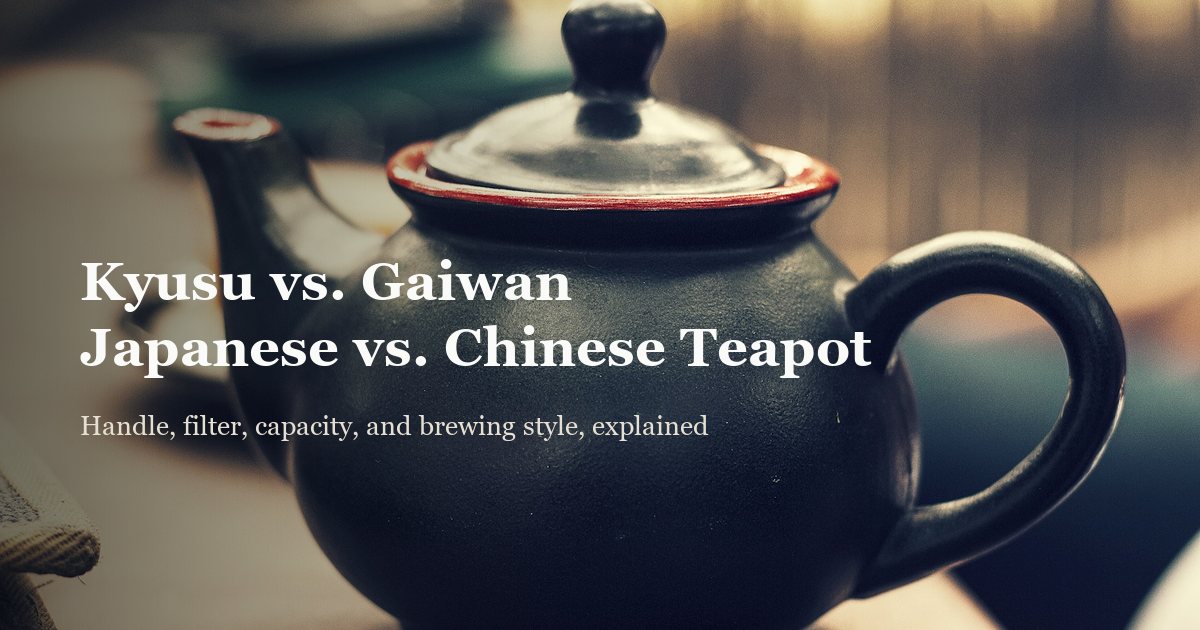
Kyusu vs. Gaiwan: Japanese vs. Chinese Teapot, Explained
How a Japanese kyusu actually differs from a Chinese gaiwan in handle, filter, capacity, and brewing style, plus two verified kyusu picks if you want one.
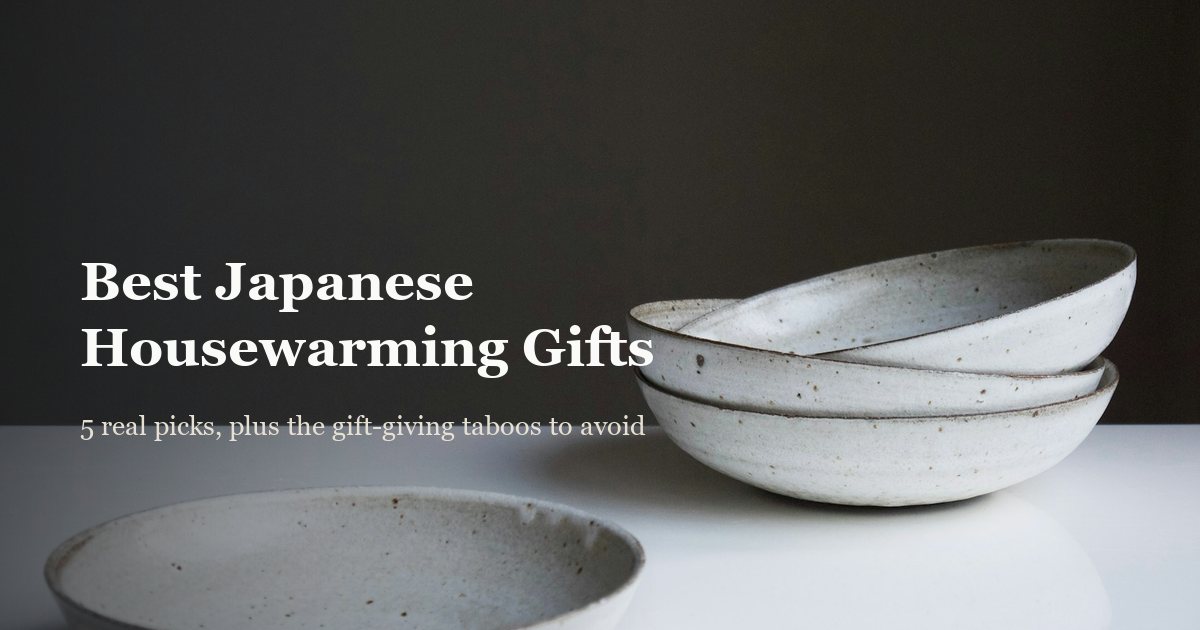
Best Japanese Housewarming Gifts: 5 Picks (And 5 to Avoid)
Five real, in-stock Japanese housewarming gifts from $10 to $150, plus gift-giving taboos (fire, red, knives) Japanese etiquette guides actually warn against.
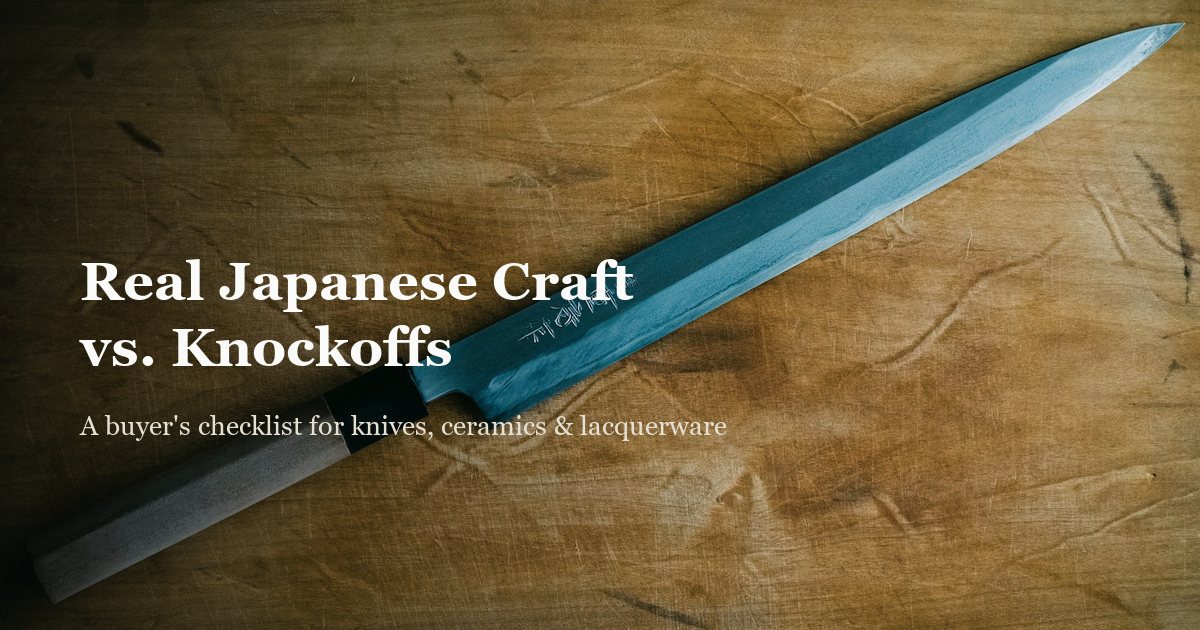
How to Tell Real Japanese Craft from Mass-Market Knockoffs
A cross-category checklist — region, maker, material spec, origin — for telling real Japanese knives, ceramics, teapots, and lacquerware from knockoffs.
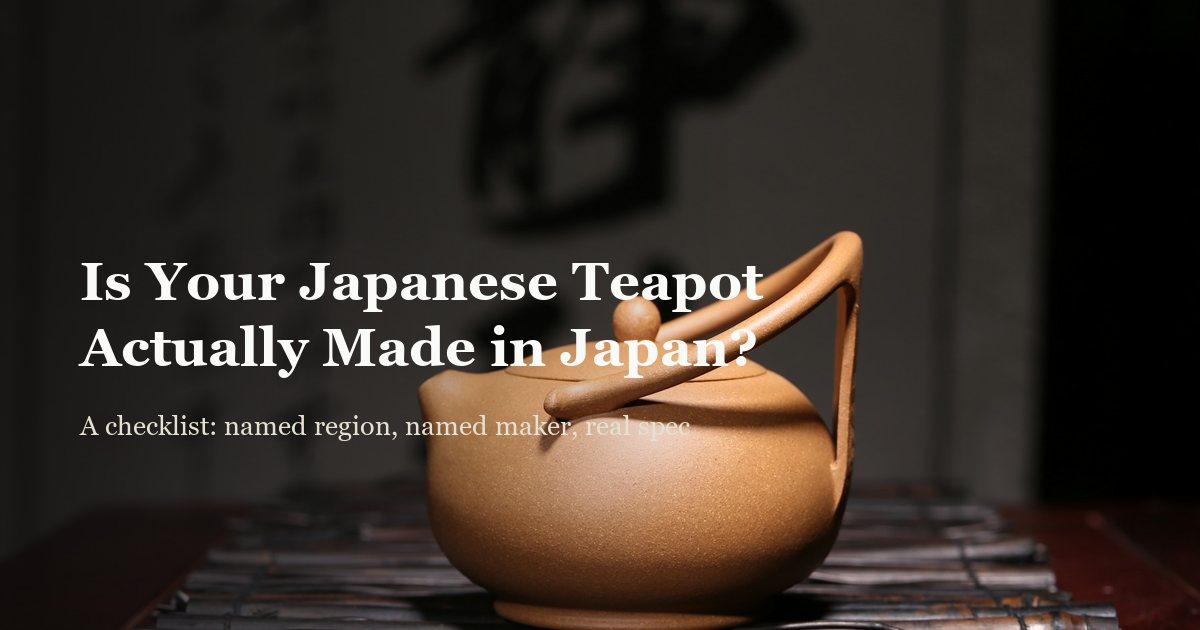
Is Your Japanese Teapot (Kyusu) Actually Made in Japan?
A concrete checklist for telling a genuine Tokoname, Banko, or Mino teapot from a generic import — named region, maker, material spec, and care instructions.
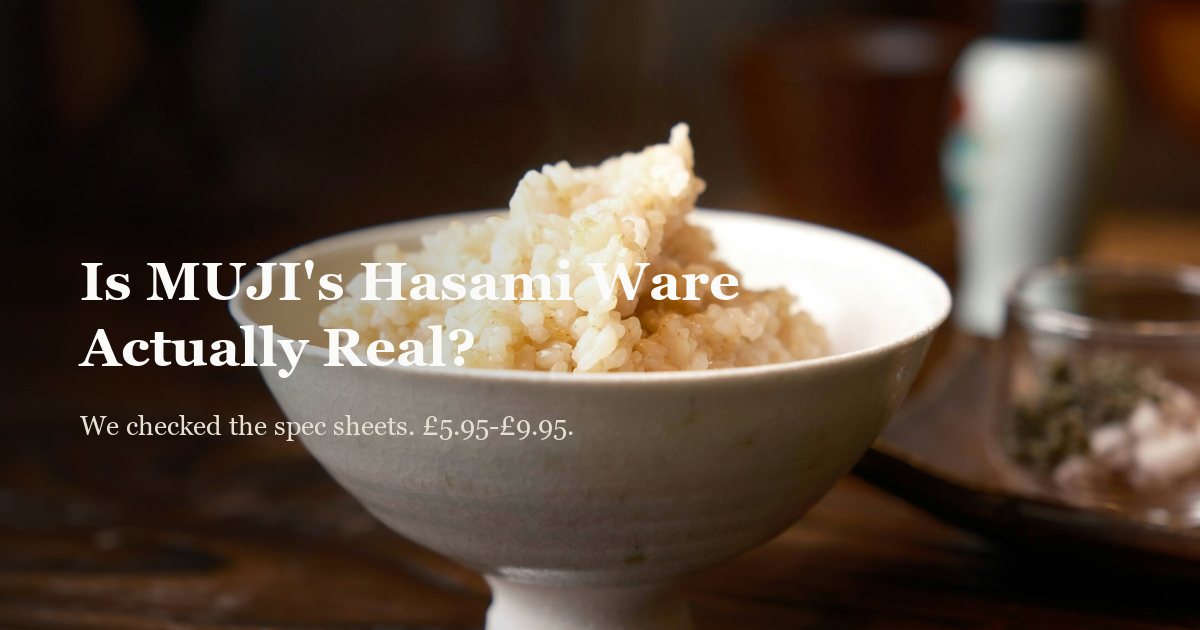
Is MUJI's Hasami Ware Actually Real Japanese Pottery?
MUJI sells Hasami ware rice bowls, plates, and sake cups for £5.95–£9.95. We checked the spec sheets: genuine Hasami-yaki, or just a marketing name?
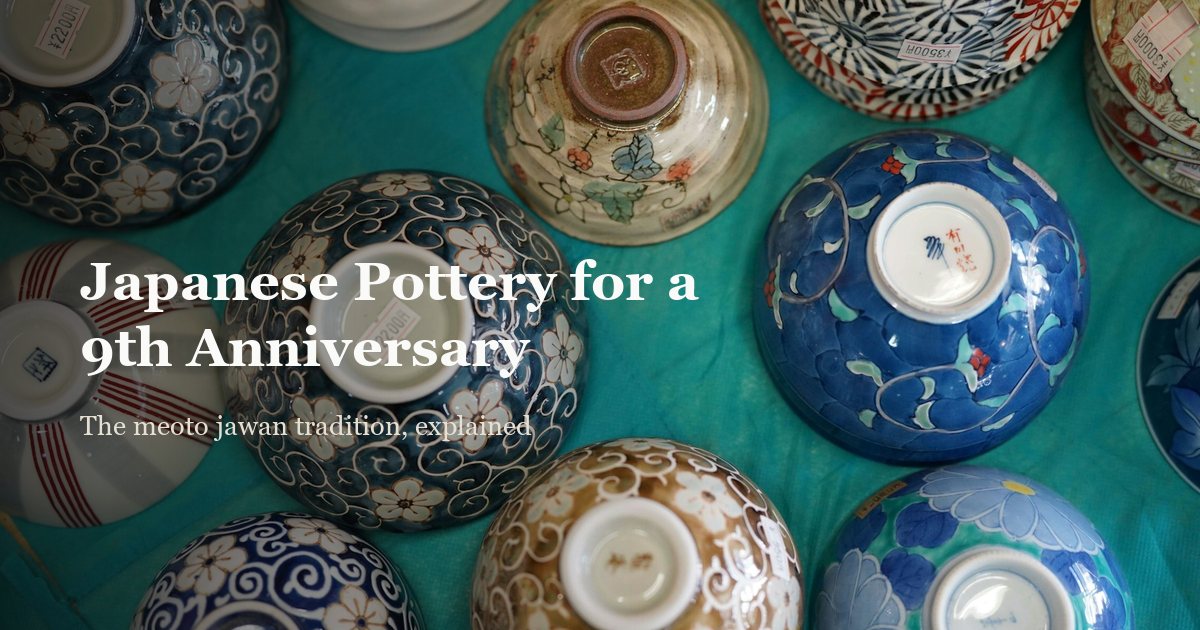
Japanese Pottery for a 9th Anniversary Gift
Why pottery is the traditional 9th anniversary gift, and the married-couple's bowl custom behind it. Three genuine Kutani ware picks, verified in stock.
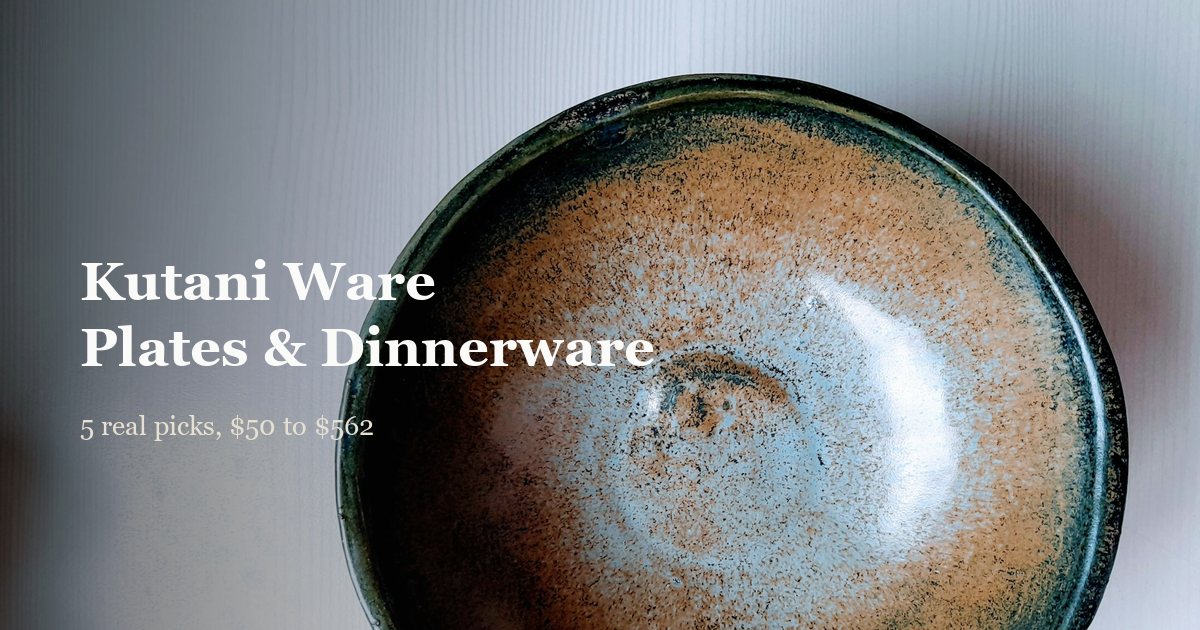
Best Kutani Ware Plates and Dinnerware: 5 Picks in 2026
Five real, in-stock Kutani ware pieces from $50 to $562 — plus how to tell genuine Kutani from Amazon listings that just borrow the name.