Some of the shops we link to are partners who may pay us when you buy through them. This doesn't change which pieces we recommend. How this works.
Quick answer: if this is genuinely your first kyusu, get the Hario ChaCha Kyusu Maru, 300ml: genuinely made in Japan, dishwasher-safe, and forgiving of any tea type, which none of the traditional unglazed options are. If you want the traditional unglazed-clay experience that changes how green tea actually tastes, and you’re willing to hand-wash it, step up to a verified Tokoname piece instead.
Start With Size and Handle Style, Not Region
Before choosing between clay types, two practical decisions matter more for a first kyusu: capacity and handle position. For solo brewing, 100-150ml is common among specialists, but that’s genuinely too small for a first pot; 200-300ml is the more forgiving beginner range, enough for two cups without brewing a second round immediately. On handle style, the side handle (yokode) is the standard for sencha and gyokuro and is easier on the wrist for one-handed pouring than a back handle; nearly every kyusu built for green tea uses it, so this isn’t usually a decision you need to make deliberately.
Comparison at a Glance
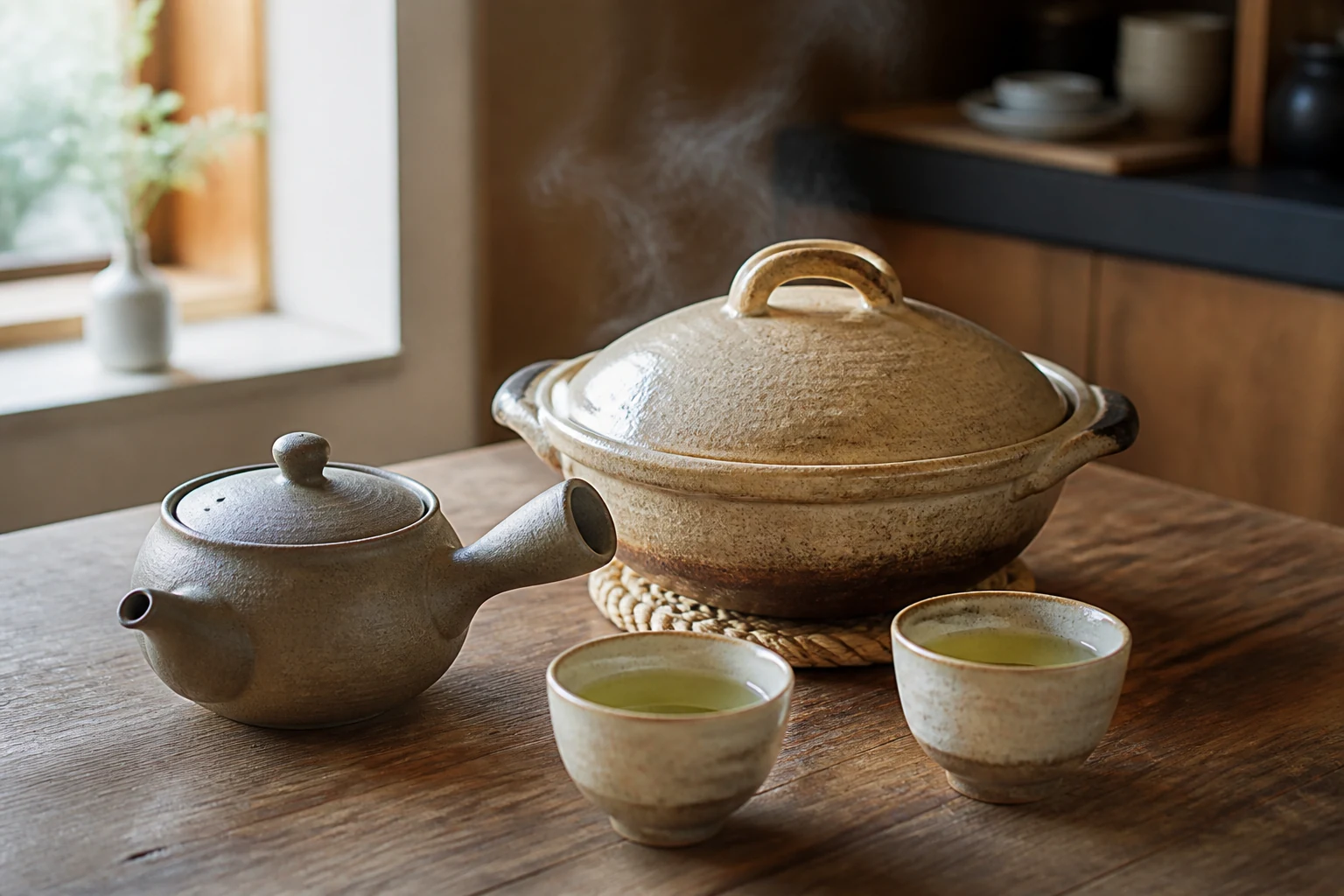
| Hario ChaCha Kyusu Maru | IROIRO Tokoname Teapot | |
|---|---|---|
| Material | Heatproof glass (lid/body made in Japan; strainer made in China) | Unglazed Tokoname clay |
| Capacity | 300ml | 460ml |
| Care | Dishwasher-safe | Hand wash only, no soap |
| Works for | Any tea type | Best dedicated to one tea (usually green) |
| Price | ~$21.50 | ~$103 |
| Best for | A genuinely easy first kyusu | The traditional unglazed-clay experience |
Prices vary by retailer and change often; treat this as a starting point, not a quote.
Hario ChaCha Kyusu Maru — Best for an Actually Easy First Kyusu
Hario is a real, long-established Japanese glassware manufacturer, and the ChaCha Kyusu line is its modern take on the shape: heatproof glass instead of clay, with the glass body and lid made in Japan (the stainless mesh strainer itself is made in China). That’s a more honest origin story than a “Japanese-style” ceramic teapot that names no maker or region at all, and it comes with a real practical upside: you can see the leaves unfurl, run it through a dishwasher, and use the same pot for green tea, oolong, or herbal tea without worrying about flavor carryover, something none of the traditional unglazed clays allow.
Pros:
- Dishwasher-safe, unlike every unglazed clay kyusu
- Works for any tea type; no need to dedicate it to one
- Genuinely inexpensive at around $21.50
- Extremely well-reviewed (4.5★, 16,000+ ratings) and a bestseller in its category
Cons:
- Doesn’t produce the flavor-rounding effect unglazed Tokoname or Banko clay has on green tea specifically
- Less traditional in material and look than a clay kyusu, if that’s part of what you’re shopping for
Bottom line: the pick if you want a real, well-made first kyusu without the hand-washing commitment or the risk of over-spending on your first attempt.
IROIRO Cylindrical Teapot (Jinsui, Tokoname Ware) — Best for the Traditional Experience
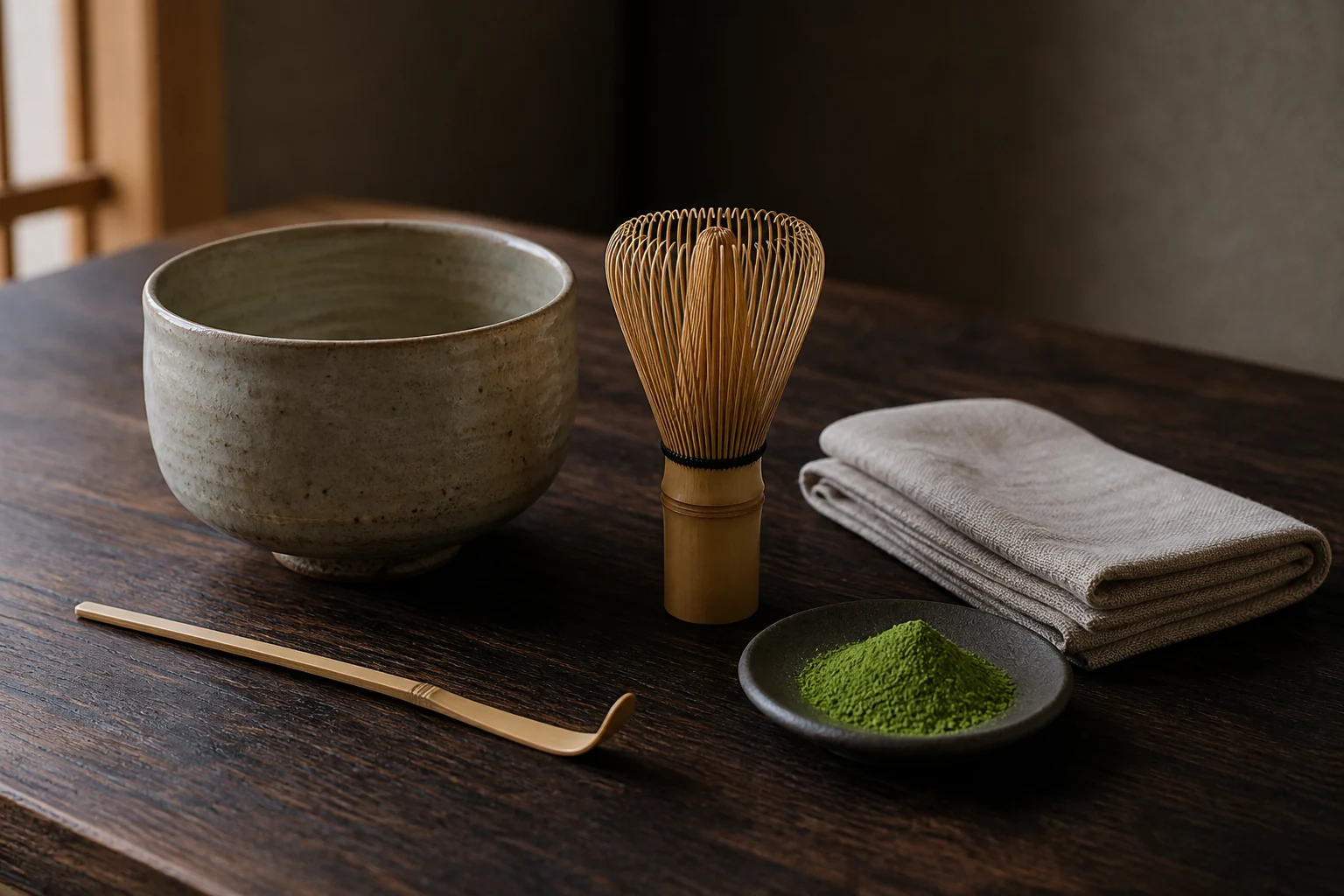
If you want the actual reason people seek out a kyusu in the first place, the reddish, iron-rich unglazed clay from Tokoname (Aichi Prefecture) that reacts with tea tannins and rounds out bitterness over repeated use, this is a genuine, verified example. Our buyer’s checklist for spotting a real kyusu covers this exact piece: named maker (Jinsui), named region (Tokoname), explicit unglazed-stoneware material spec, and a built-in ceramic mesh strainer that adds no metallic taste.
Pros:
- Genuinely verified: named maker, named region, explicit material spec
- The unglazed clay does something a glass or porcelain pot can’t: it measurably softens green tea’s bitterness over time
- Built-in ceramic mesh strainer, no separate metal part to replace
Cons:
- Hand wash only, no soap, ever; the clay is porous and will absorb detergent
- Should be dedicated to one type of tea rather than swapped between types
- Priced well above the Hario, and above what most generic “Japanese ceramic teapot” listings charge
Musubi Kiln isn't yet an approved partner shop for this site, so this is a plain link with no tracking or commission.
See the IROIRO Cylindrical Teapot at Musubi Kiln →
Bottom line: the pick once you know you’ll actually keep up with hand-washing and want the flavor effect unglazed clay is specifically known for.
Which One Should You Buy?
- If this is genuinely your first kyusu and you want something practical you won’t overthink: get the Hario ChaCha Kyusu Maru.
- If you want the traditional unglazed-clay experience and don’t mind hand-washing: get the IROIRO Tokoname Teapot.
- If you want a glazed porcelain middle ground (easier care than unglazed clay, more traditional look than glass), our teapot authenticity guide covers a verified Mino ware option too.
- If you’re deciding between a kyusu and a Chinese gaiwan for the same brewing job, see our kyusu vs. gaiwan comparison first.
FAQ
Is a glass kyusu less “real” than a clay one? No, as long as it’s genuinely made where it claims to be. Hario is an established Japanese glassware maker, and the ChaCha line’s glass body and lid are made in Japan; it’s a different, modern material choice, not a fake version of a clay teapot.
What size should a beginner buy? 200-300ml is the more forgiving range for a first kyusu; it’s enough for two cups without an immediate second brew. Sizes below 150ml are common among specialists brewing solo but can feel restrictive while you’re still learning how much tea you actually drink at once.
Do I need a side-handle kyusu specifically? Nearly every kyusu built for green tea uses the side handle (yokode) already, since it’s easier on the wrist for one-handed pouring. You’re unlikely to encounter a back-handle option by accident.
Can I put loose leaf tea directly in an unglazed clay kyusu without a separate infuser? Yes, that’s the point. A genuine Tokoname or Banko kyusu has a built-in strainer (either a fired ceramic mesh or an attached metal one) at the spout, so the leaves brew loose inside the pot rather than in a separate basket.
What if I’ve already bought a “Japanese-style” ceramic teapot and I’m not sure it’s real? Our full authenticity checklist covers exactly this: named region, named maker, explicit material spec, and care instructions that actually match the material. The same named-maker-and-material logic applies across other categories too, covered in our general buyer’s checklist for real Japanese craft.
Final Thoughts
The honest beginner’s path is to start with something you’ll actually use without overthinking it, and the Hario ChaCha Kyusu Maru does that better than a $100+ traditional piece you might be too nervous to hand-wash correctly. Once you know you actually brew tea often enough to care about the difference, stepping up to a verified unglazed Tokoname piece like the IROIRO is where the real flavor difference lives, and by then you’ll already know whether hand-washing a teapot after every use is a habit you’ll keep.