Tag: how-to
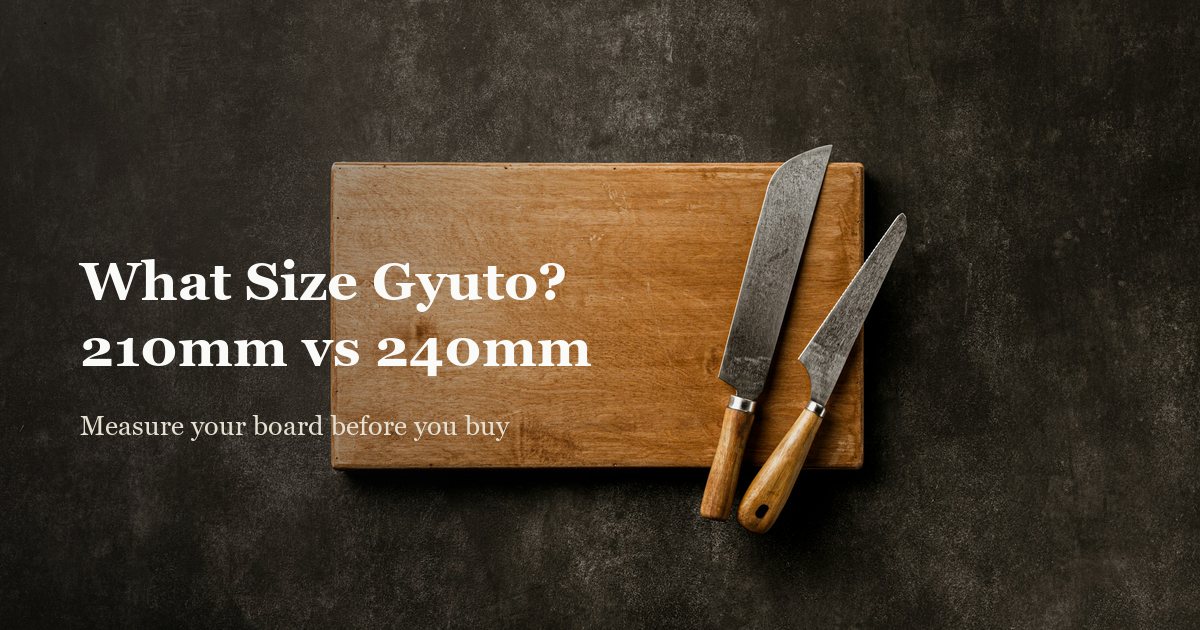
What Size Gyuto Should You Get? 210mm vs 240mm
The same Japan-made gyuto in 180, 210, 240, and 270mm: what the extra length adds in weight and price, and the cutting-board measurement that decides it.
Whetstone Grit Guide: What Each Number Actually Does
A plain guide to whetstone grit numbers, from 400 to 12000, what each range is actually for, and which of our reviewed Japanese whetstones fits where.
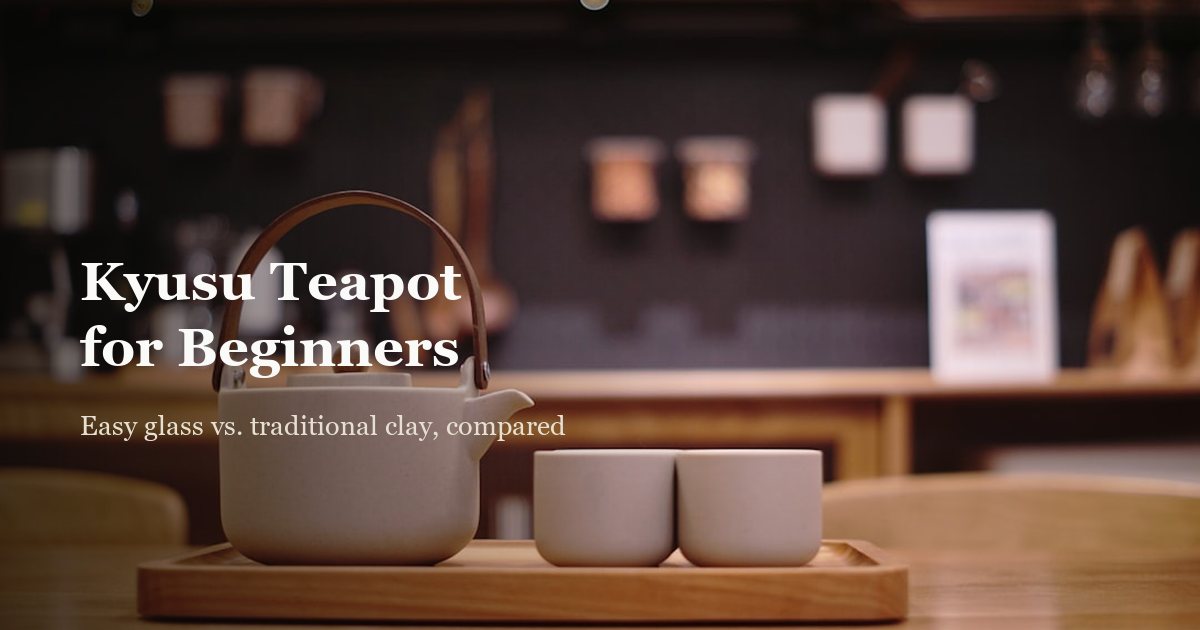
Kyusu Teapot for Beginners: Which One Should You Buy?
A dishwasher-safe glass kyusu is the easiest real first teapot. A traditional Tokoname or Banko one rewards the extra care with better tea. How to pick.
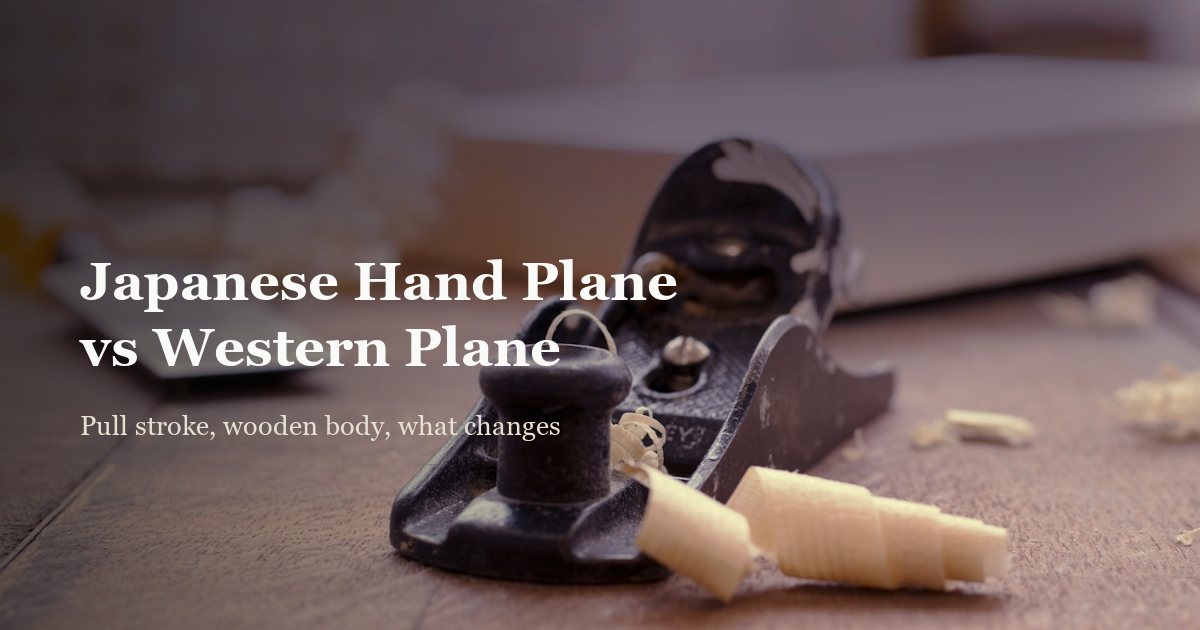
Japanese Hand Plane (Kanna) vs Western: What's Different
A kanna is pulled toward you and has no handle; a Western plane is pushed and cast in iron. The real differences, plus two verified Made-in-Japan picks.

Tenugui vs Furoshiki: What's the Difference?
Furoshiki is a square wrapping cloth; tenugui is a thin cotton towel with raw, unhemmed edges. What each is actually for, plus two verified Made-in-Japan picks.
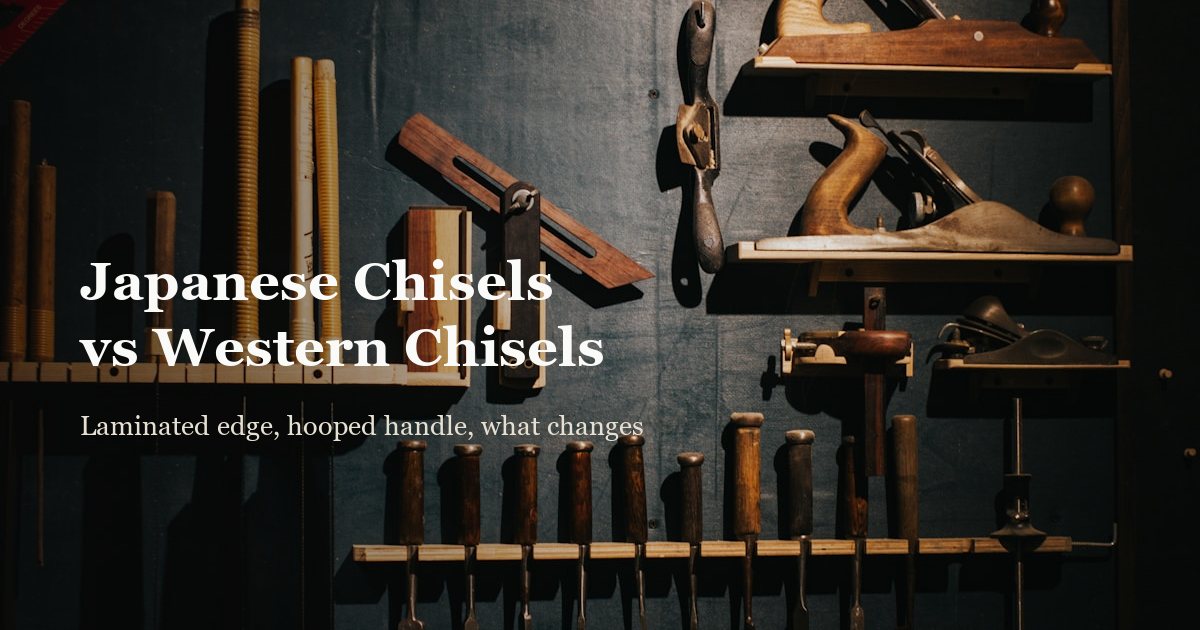
Japanese Chisels vs Western: What's Actually Different
Japanese chisels laminate hard steel to a softer iron backing with a hooped handle; Western chisels are one steel, socketed or tanged. What changes, plus picks.
Japanese Saw vs Western Saw: What's Actually Different
A Japanese pull saw cuts on the draw stroke with a thinner blade; a Western saw cuts on the push. The real differences, plus two verified Made-in-Japan picks.
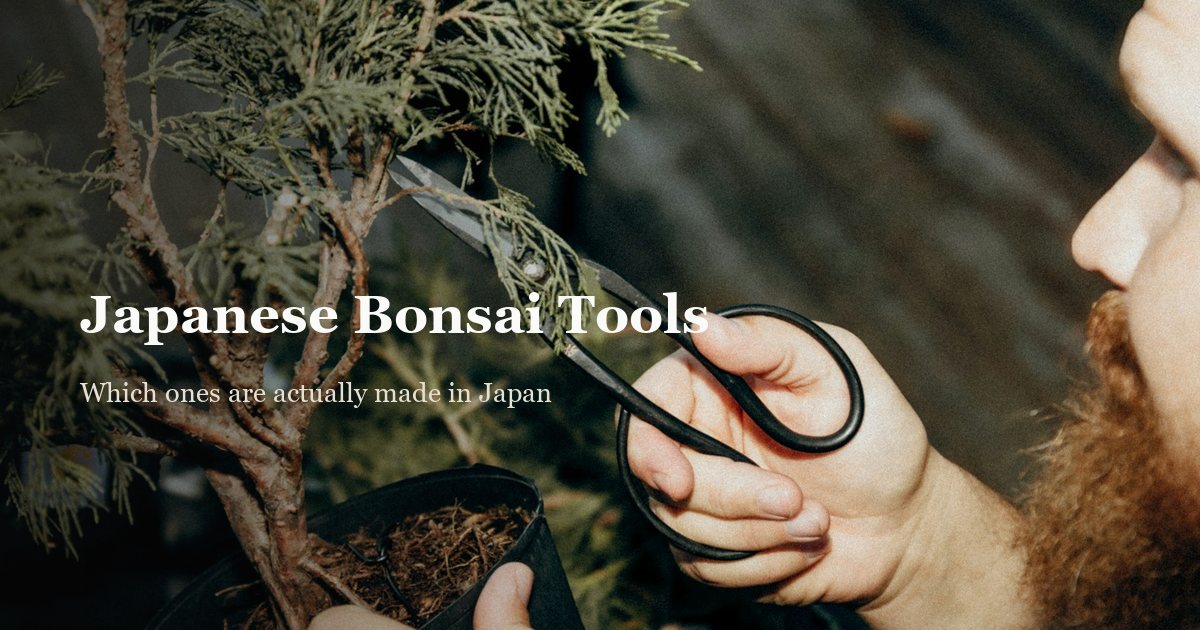
Best Japanese Bonsai Tools: Actually Made in Japan?
Wazakura and KAKURI hand-forge bonsai scissors in Sanjo, Niigata, and say so on the listing. Many 'Japanese' scissors on Amazon never say where they're made.
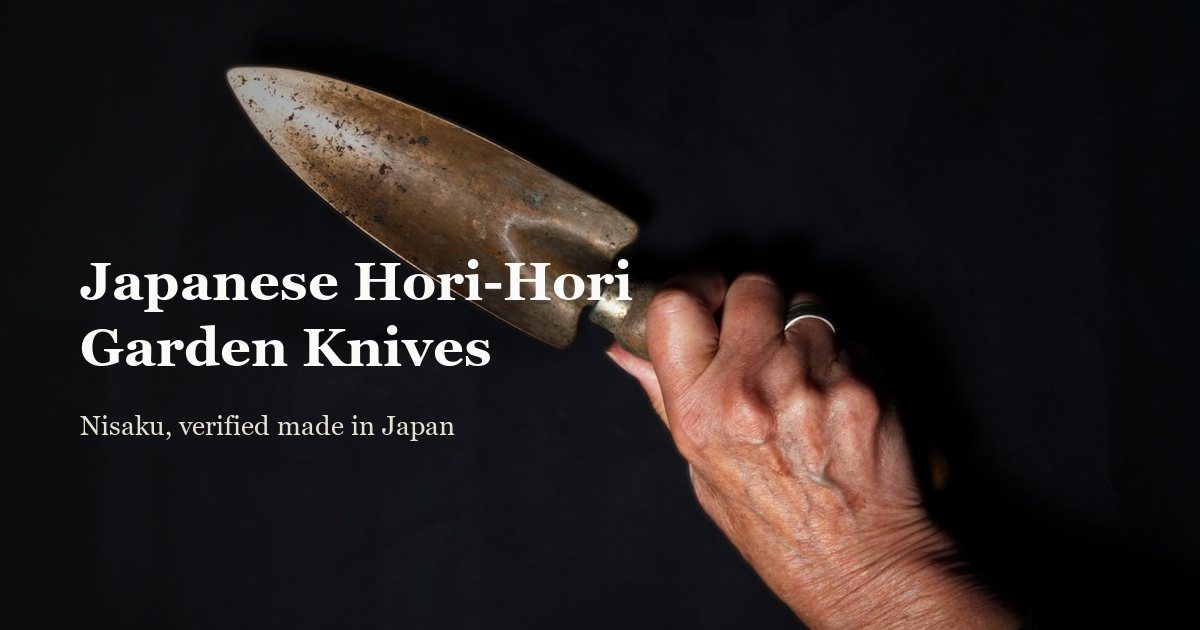
Best Japanese Hori-Hori Knives: Actually Made in Japan?
Nisaku's hori-hori knives are made in Niigata by a documented cutlery company. Many 'Japanese steel' knives on Amazon never say where they're actually made.
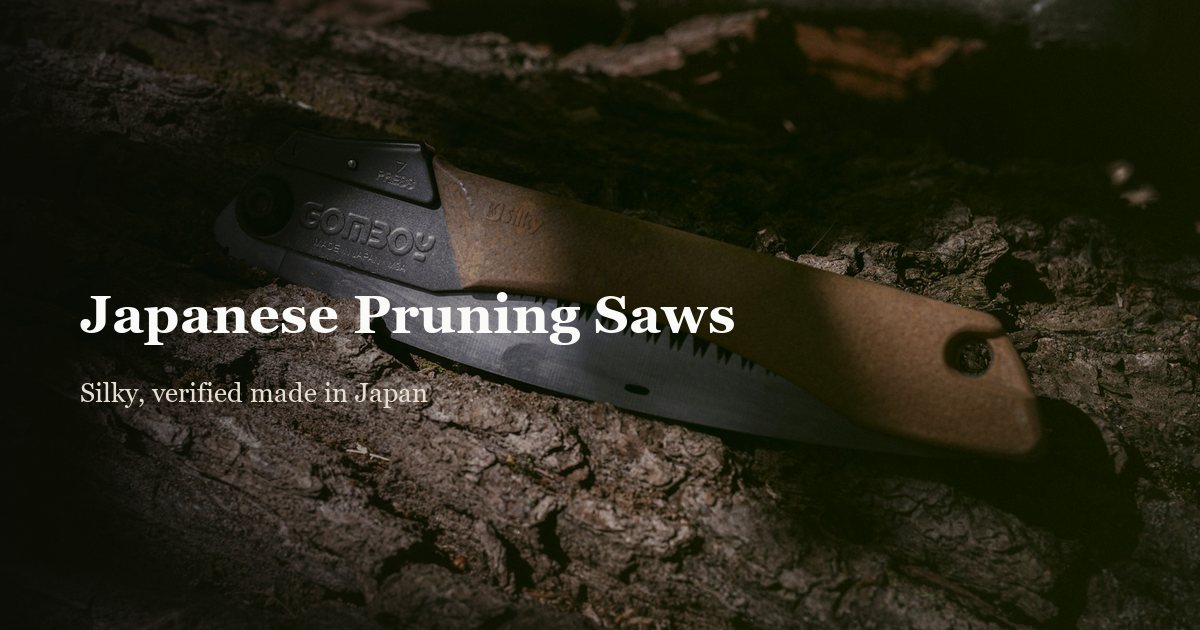
Best Japanese Pruning Saws: Actually Made in Japan?
Silky's GomBoy is the world's best-selling pruning saw and names its manufacturing city directly. Many 'Japanese steel' saws name the steel, not the country.
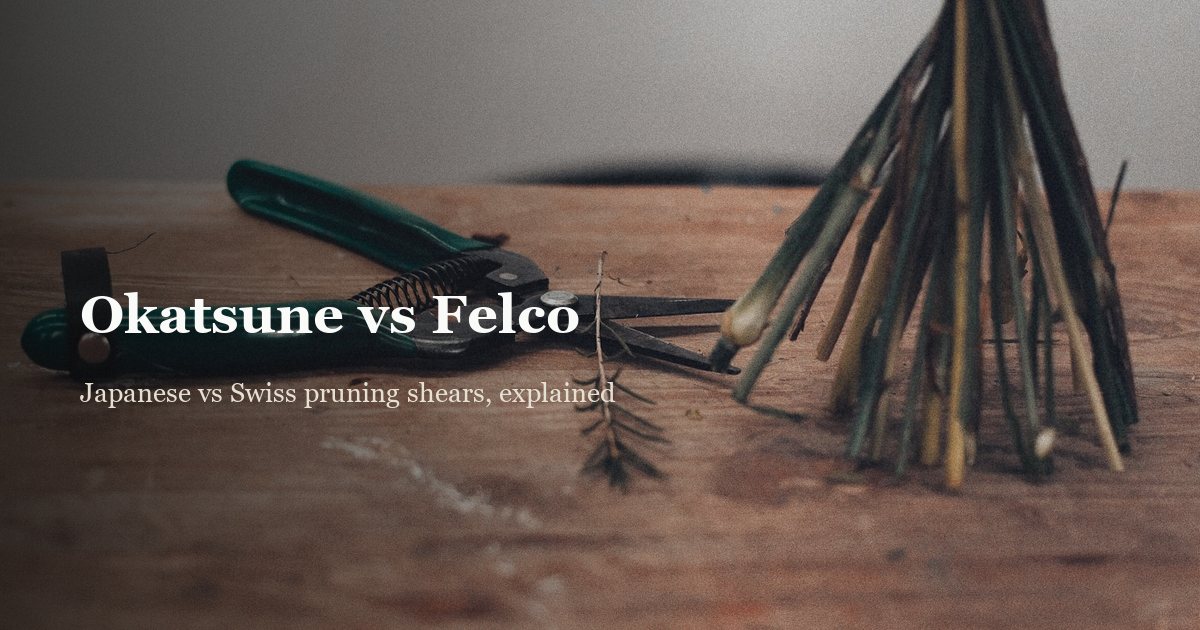
Okatsune vs Felco: Japanese vs Swiss Pruning Shears
Okatsune forges a one-piece blade you sharpen for years; Felco builds a pruner rebuilt part by part for decades. Different philosophies, neither is wrong.
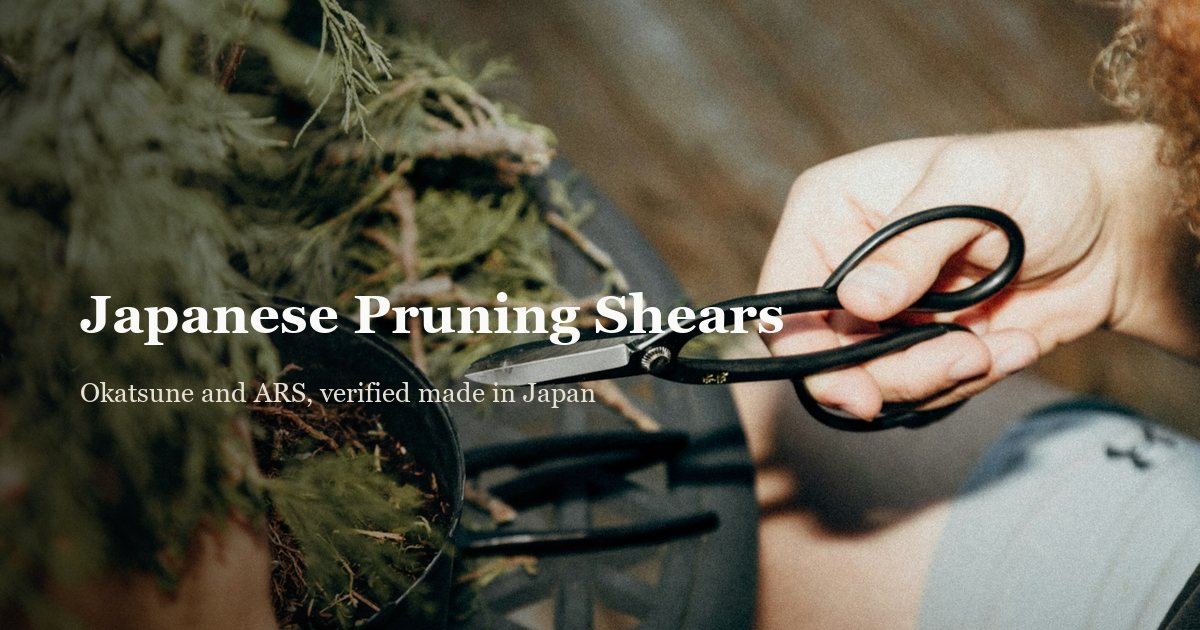
Best Japanese Pruning Shears: Actually Made in Japan?
Okatsune and ARS both make genuinely Japan-made pruning shears with named histories to the 1920s. Many 'Japanese steel' shears next to them aren't Japanese.
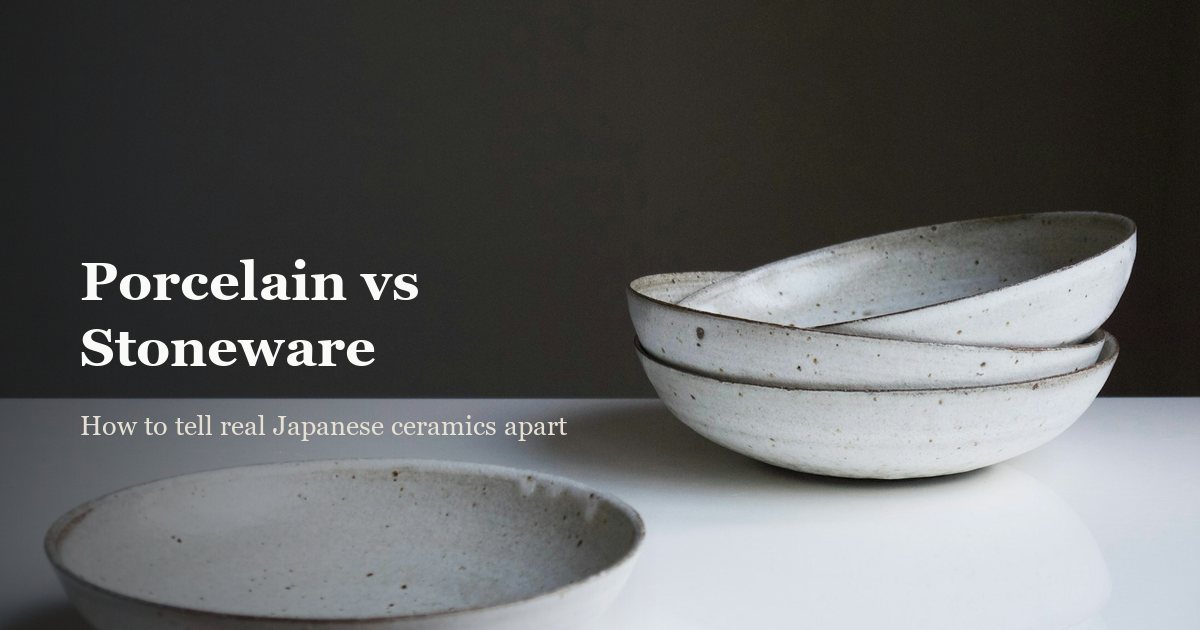
Porcelain vs Stoneware: Spotting Real Japanese Ceramics
The tap-sound test, the light test, and why a Musubi Kiln listing calls the same Kutani ware piece both 'porcelain' and 'stoneware' at once.
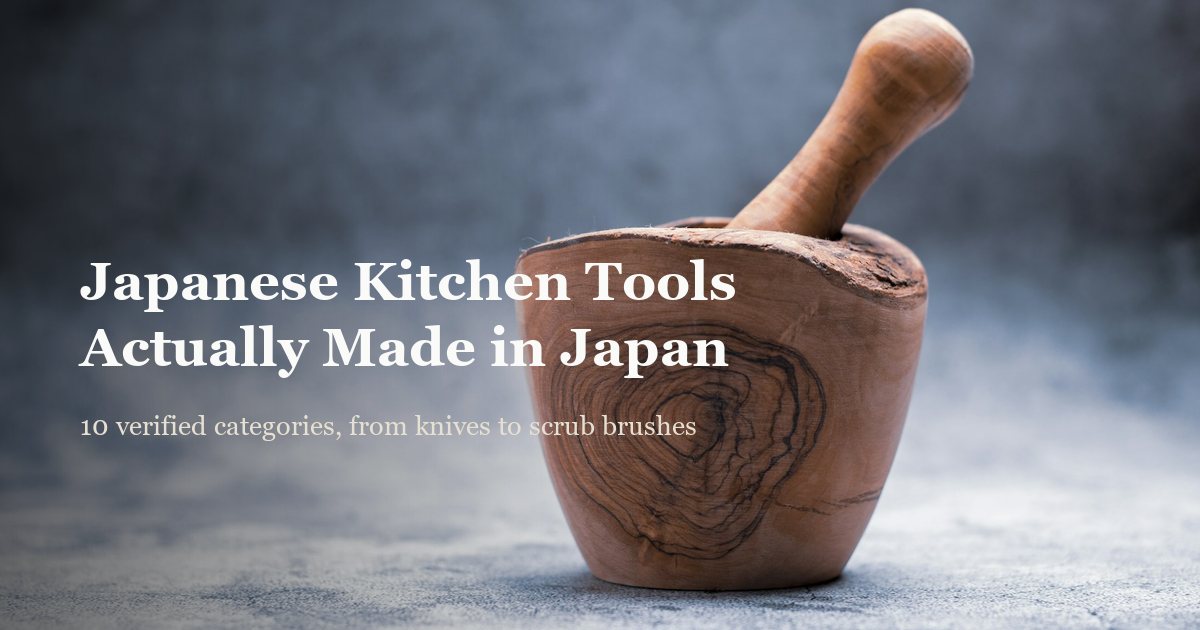
Japanese Kitchen Tools Actually Made in Japan
A verified directory of Japanese kitchen tools, knives to mandolines to scrub brushes, plus checks that separate a real maker from 'Japanese-style' marketing.
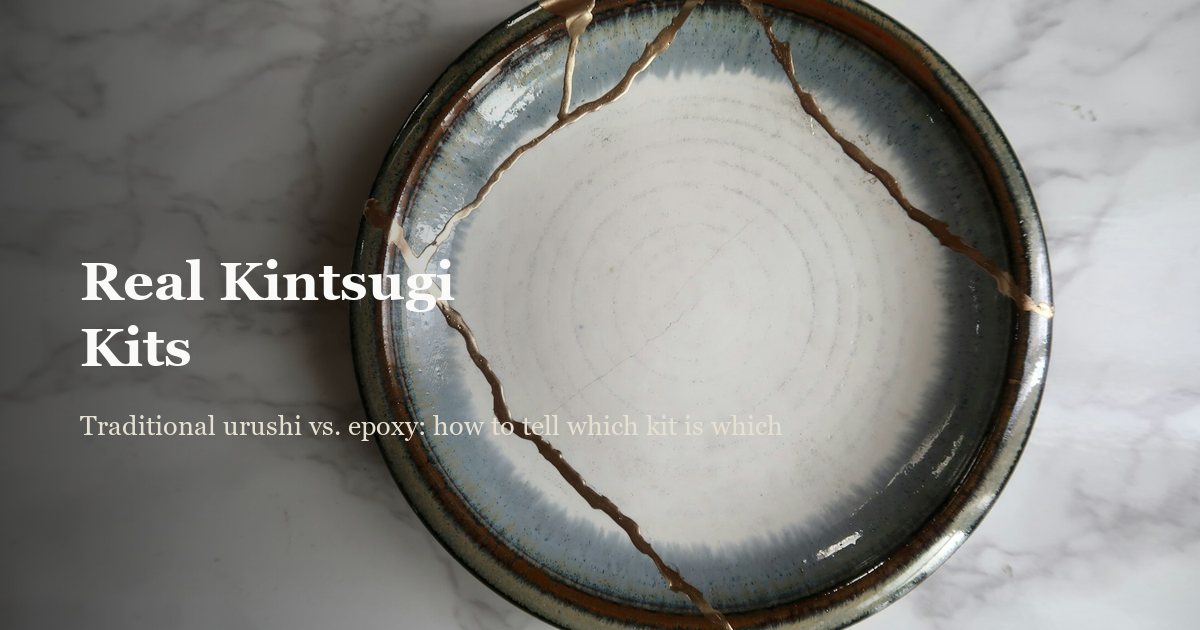
Best Real Kintsugi Kits: Urushi vs. Epoxy (2026)
Most 'kintsugi kits' sold as food-safe are epoxy or resin with a gold-colored mica powder, not urushi lacquer with real gold. Here's how to tell which is which.
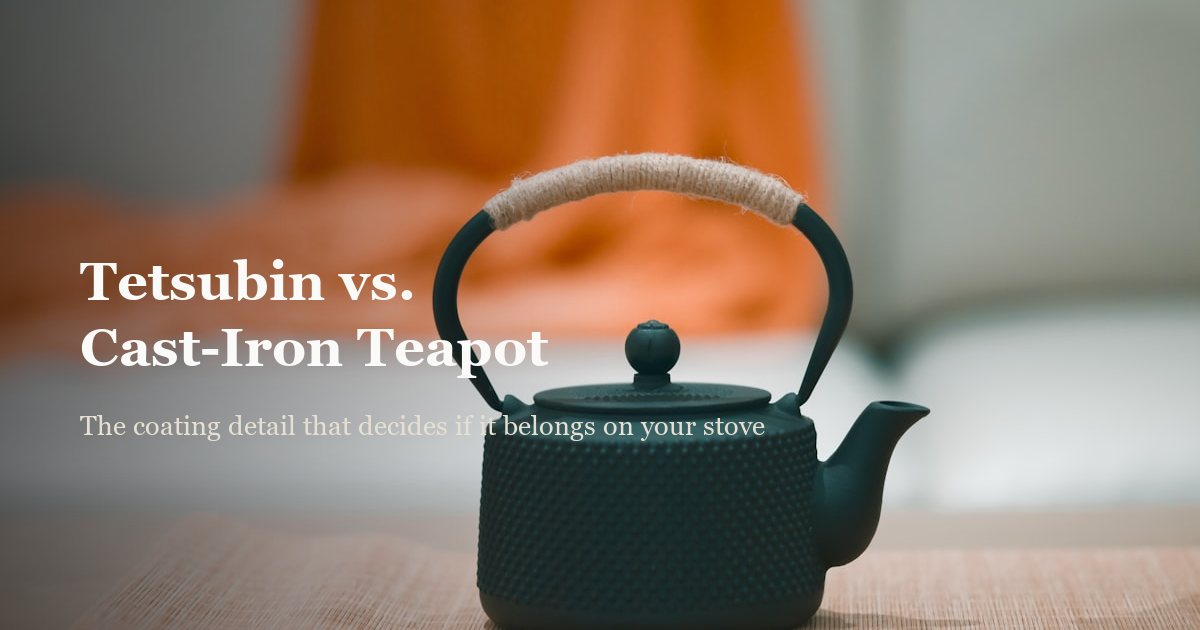
Tetsubin vs. Cast-Iron Teapot: What's Actually Different
A tetsubin boils water on direct heat. A cast-iron teapot is enamel-lined and steeps tea, not for the stove. Amazon sells both under the same word.
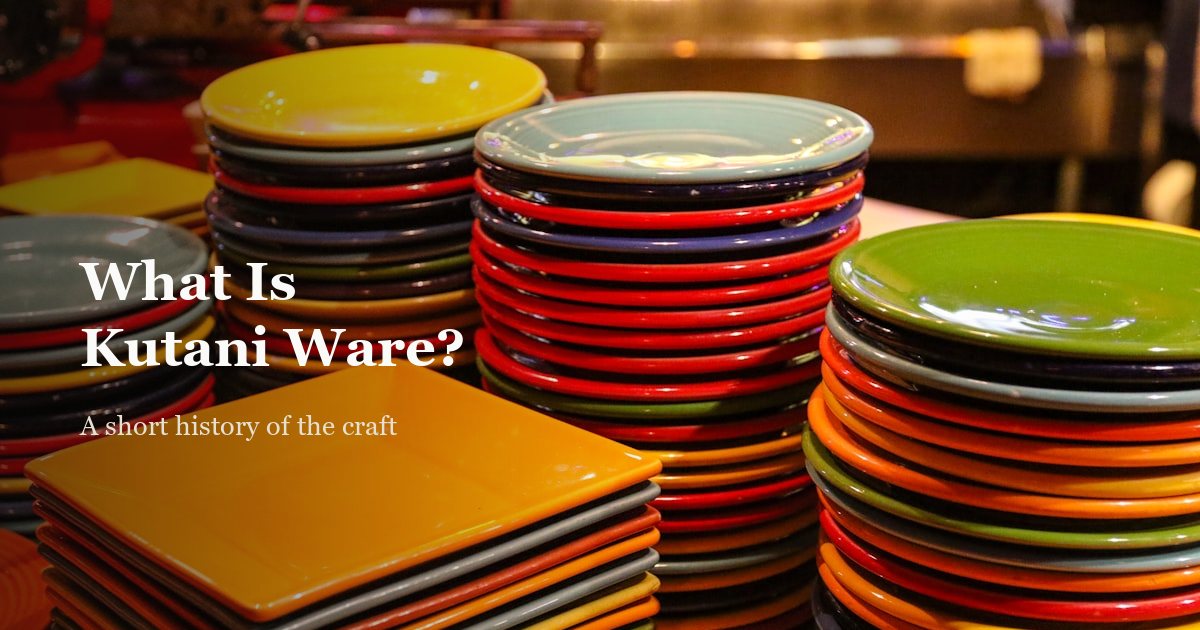
What Is Kutani Ware? A Short History of the Craft
Where Kutani ware actually comes from, what the five-color gosai palette means, and the genuine historical uncertainty behind the earliest pieces.
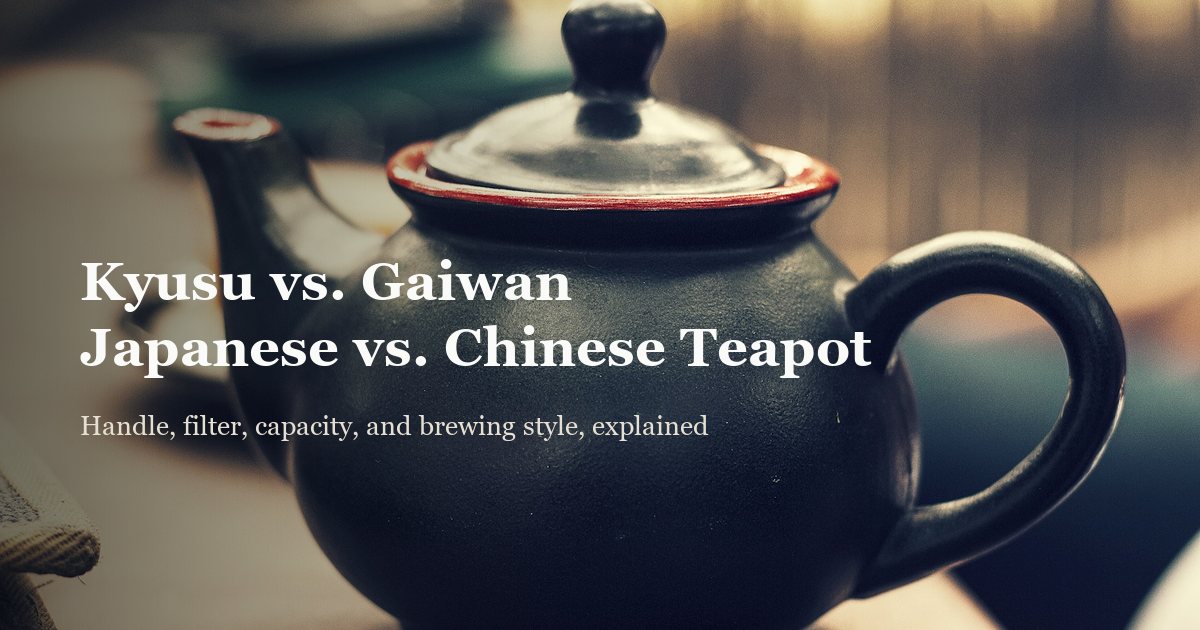
Kyusu vs. Gaiwan: Japanese vs. Chinese Teapot, Explained
How a Japanese kyusu actually differs from a Chinese gaiwan in handle, filter, capacity, and brewing style, plus two verified kyusu picks if you want one.
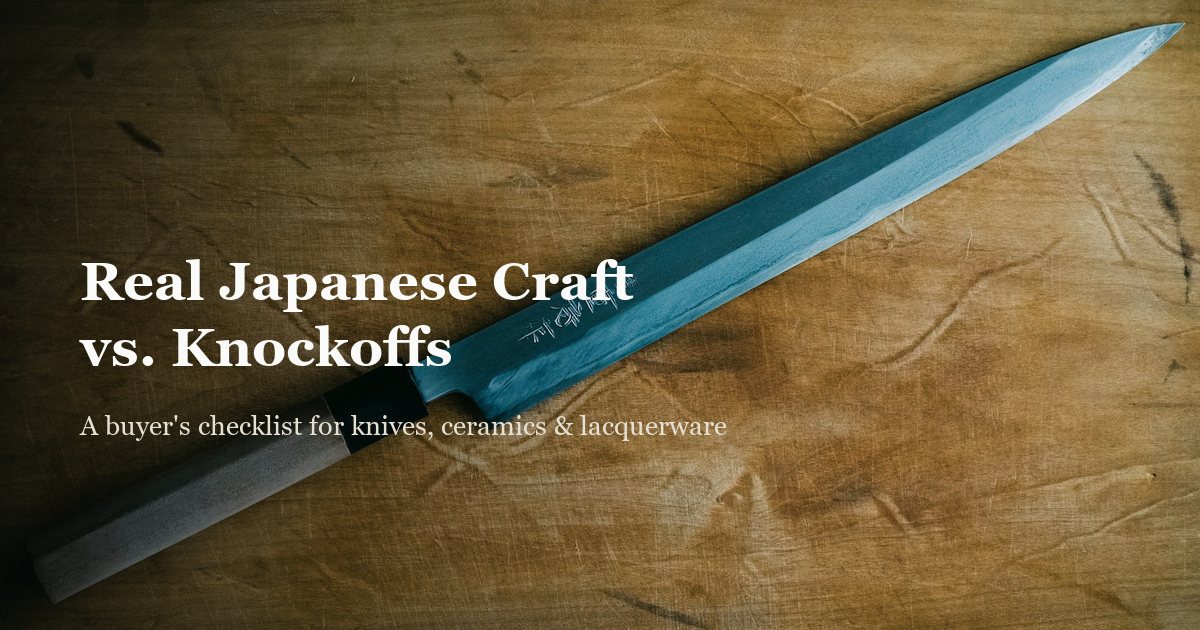
How to Tell Real Japanese Craft from Mass-Market Knockoffs
A cross-category checklist — region, maker, material spec, origin — for telling real Japanese knives, ceramics, teapots, and lacquerware from knockoffs.

Is Your Japanese Lacquerware Real Urushi?
How to tell genuine urushi lacquerware from urethane or polyester imitations — named region, maker, spec sheet vs. ad copy, and the dishwasher-safe test.
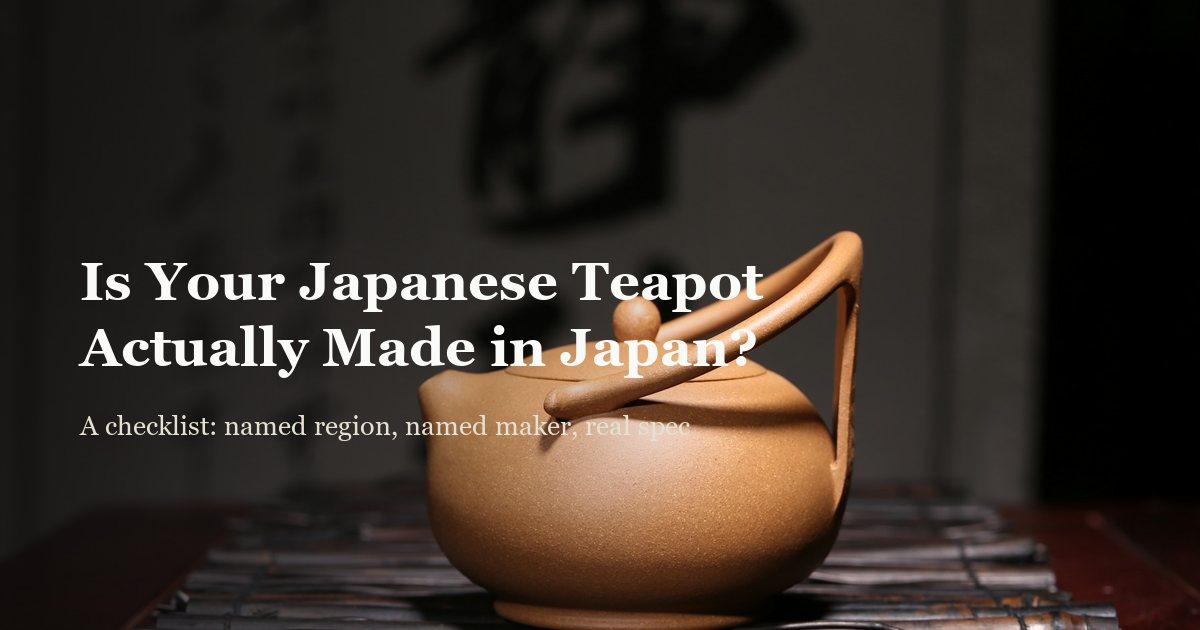
Is Your Japanese Teapot (Kyusu) Actually Made in Japan?
A concrete checklist for telling a genuine Tokoname, Banko, or Mino teapot from a generic import — named region, maker, material spec, and care instructions.
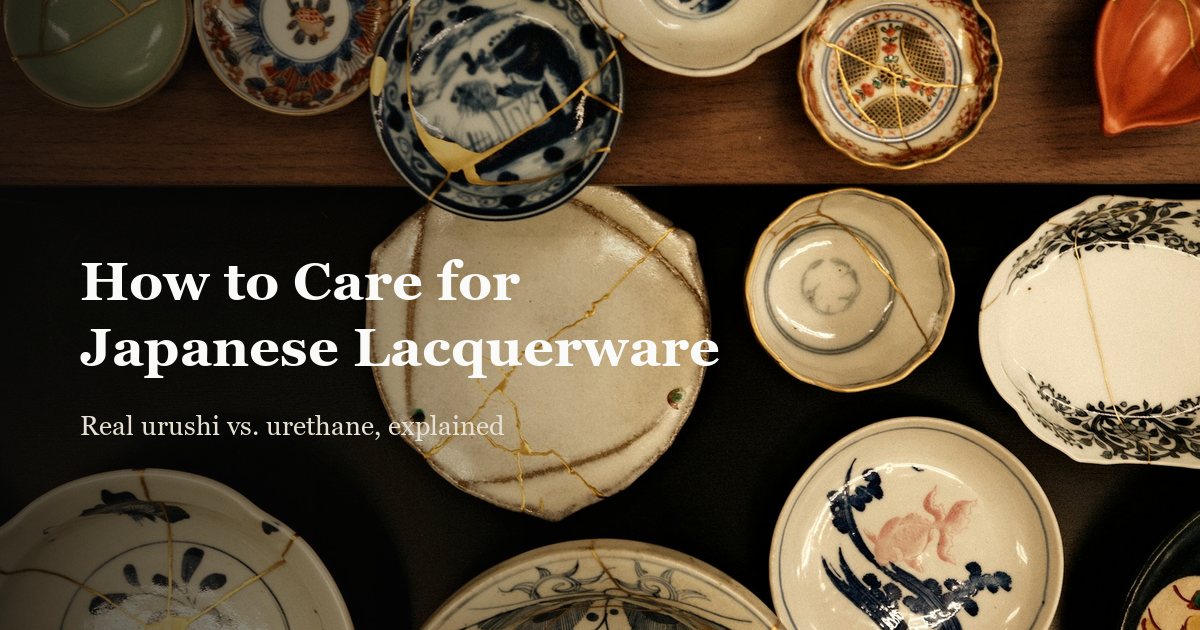
How to Care for Japanese Lacquerware (and Spot Real Urushi)
How to wash, dry, and store genuine urushi lacquerware versus urethane-coated pieces, how urushi ages, and what actually happens when it gets damaged.