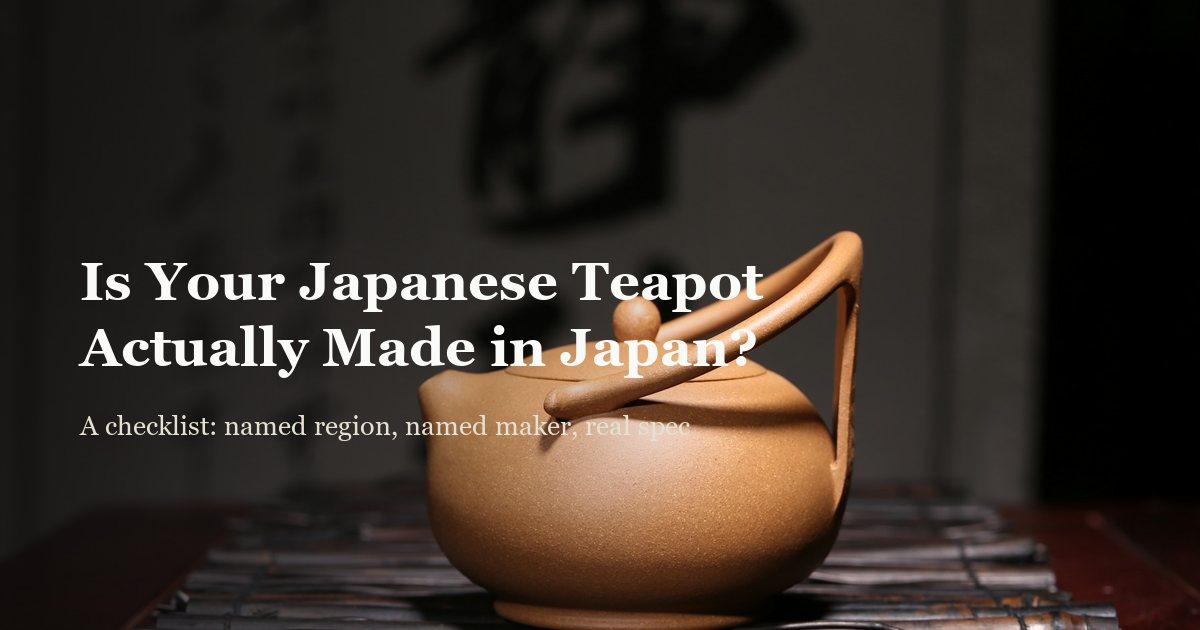
Quick answer: look for a named production region (Tokoname, Banko, Mino, Hasami — not just “Japanese-style”), a named maker or kiln rather than a generic brand code, an explicit material spec (unglazed clay vs. glazed porcelain, not just “ceramic”), and a country-of-origin field filled in on the listing itself, not just in the title. If a kyusu passes most of these, it’s very likely genuine. Full checklist below.
Some of the shops we link to are partners who may pay us when you buy through them. This doesn't change which pieces we recommend. How this works.
Why This Matters More for Teapots Than Most Tableware
A kyusu (急須) isn’t just a shaped mug with a spout — the two main traditions, Tokoname-yaki (Aichi Prefecture) and Banko-yaki (Yokkaichi, Mie Prefecture), use unglazed, iron-rich clay specifically because the iron ions react with the tannins in green tea, rounding out bitterness over repeated use. That’s a functional claim, not just a decorative one, and it’s exactly the kind of detail a generic import skips. Where our santoku knife research found brands hiding a Chinese origin behind “Japanese steel” marketing, the equivalent here is a “Japanese-style” ceramic teapot that never names a clay, a region, or a maker — because there isn’t a real production story behind it to name.
Two Legitimate Categories — Don’t Assume They Both Work the Same Way
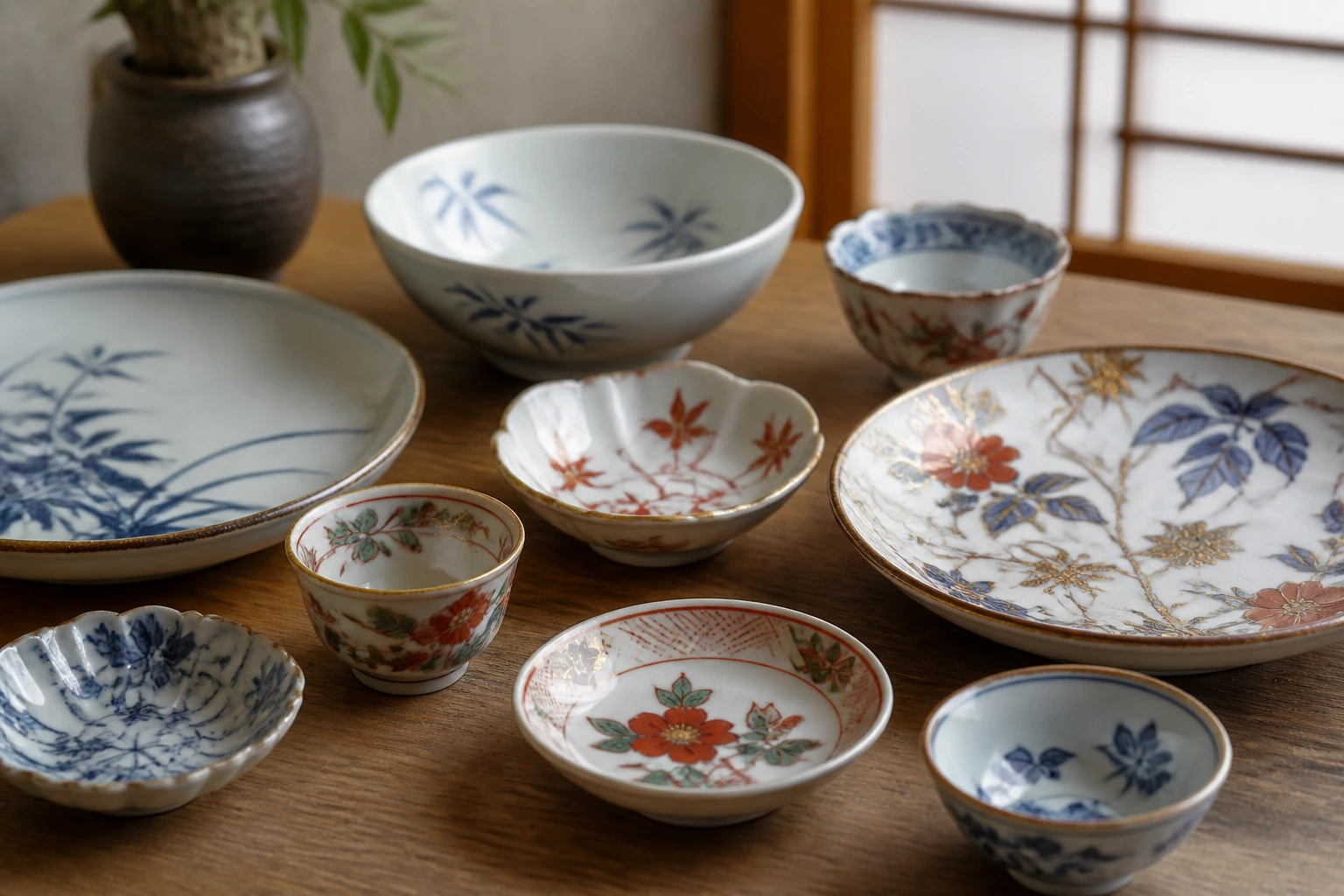
Real Japanese teapots split into two genuinely different traditions, and the checklist below applies a little differently to each:
- Unglazed clay (Tokoname, Banko): reddish or purple clay, fired without glaze, prized specifically for what it does to the taste of the tea. Requires hand-washing (see care section below).
- Glazed porcelain (Mino, Hasami, Kutani): the same porcelain traditions covered in our Kutani ware and MUJI Hasami ware guides, just shaped as a teapot rather than a plate or bowl. These are chosen for looks and everyday durability rather than a flavor effect.
Both are legitimately “a real Japanese teapot.” A listing that vaguely claims unglazed-clay-style flavor benefits while actually being glazed porcelain (or vice versa) is a sign the copy was written without checking the product.
The Checklist
1. A Named Production Region
Genuine listings name Tokoname (Aichi), Banko (Yokkaichi, Mie), Mino (Gifu), Hasami (Nagasaki), or Kutani (Ishikawa) specifically. “Japanese-style teapot” or “Asian-inspired design” with no region named is the single most common gap we found while researching this piece.
2. A Named Maker or Kiln, Not a Generic Brand Code
Look at the “Brand” field in the listing specs, not just the title. Real kilns and workshops use actual names — Jinsui (a Tokoname workshop whose teapots we verify below), or a named potter. A brand field that’s a random string of letters (the kind of placeholder name common on white-label dropship listings) is a soft red flag, especially when it’s paired with a missing origin field — the same pattern our knife authenticity checks rely on.
3. An Explicit Material Spec
“Ceramic” alone tells you nothing. A trustworthy listing says unglazed stoneware/clay or porcelain specifically, and for unglazed pieces, often names the clay’s color (reddish-brown or purple) as a feature.
4. Country of Origin Filled In on the Listing Itself
Same rule as our knife research: check the structured product-details table, not the marketing title. A seller can put “Made in Japan” in a headline for any product; filling in the actual Country of Origin field is a smaller, more mundane thing to fake convincingly.
5. Strainer Type Disclosed
Genuine kyusu use one of two strainer styles: a built-in ceramic mesh (yakishime, fired as part of the pot — pricier, no metallic taste) or an attached stainless steel mesh (more common on mid-range and porcelain pieces). Listings that don’t mention which one you’re getting are usually cutting corners on the description generally, not just this detail.
6. Price Sanity Check
Handmade Tokoname or Banko kyusu — even small, simple ones — rarely sell new for under $25–30. A “Japanese ceramic teapot” at $10–12 with a permanent 60–70% “sale” markdown is following the same fake-discount pattern we flagged in knife listings — it’s not proof of anything alone, but it’s worth combining with the checks above.
7. Care Instructions Match the Material
This one you can check against your own listing after purchase: an unglazed clay kyusu should come with hand-wash-only care guidance (see below). A listing that claims its “traditional unglazed Tokoname teapot” is dishwasher-safe is contradicting the physical properties of the material itself.
Two Verified Examples
Both of these come from Musubi Kiln, and their listings pass the checklist above with named makers, explicit material specs, and named regions.
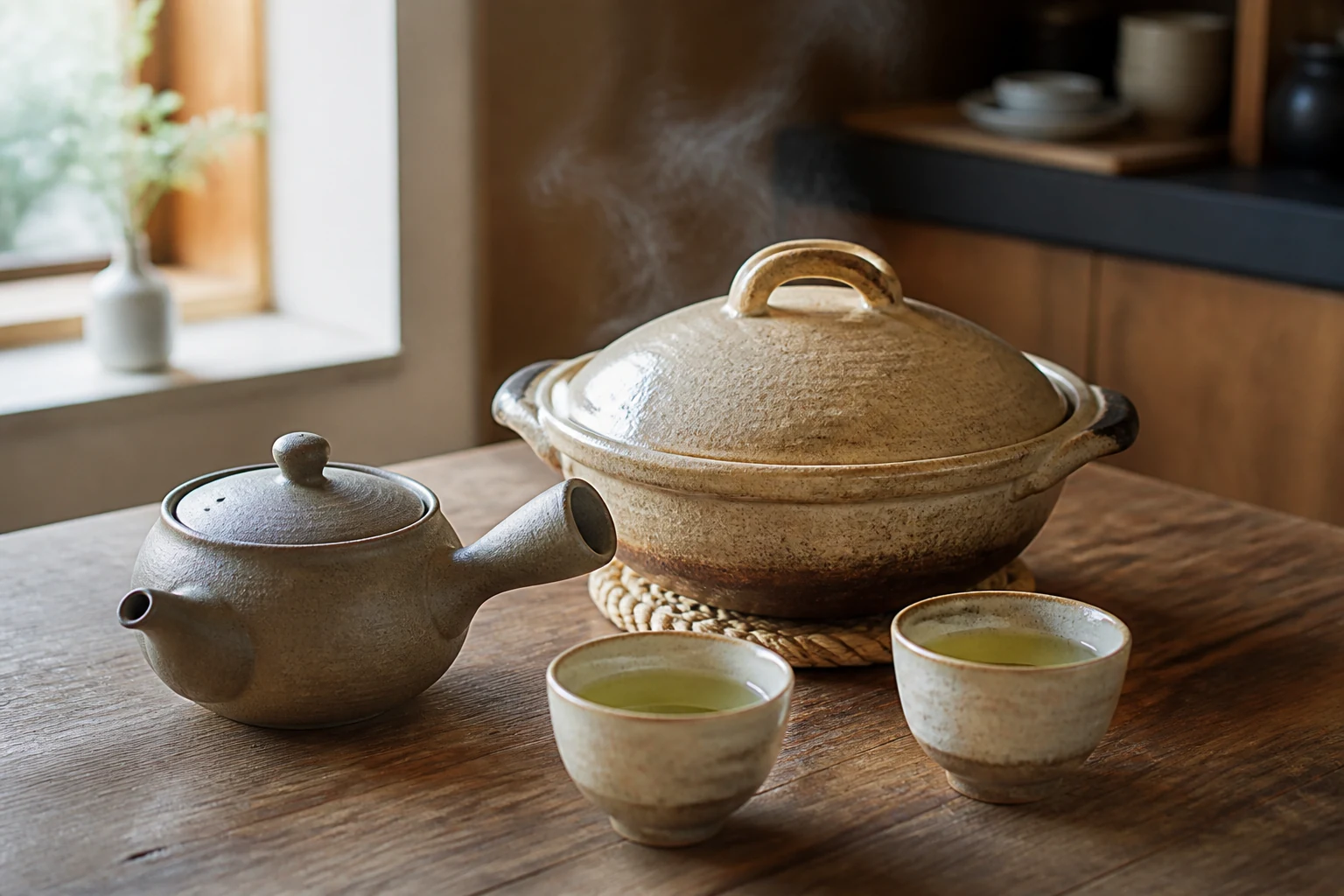
IROIRO Cylindrical Teapot, 15.5 fl oz — Maker/Brand field states Jinsui / Tokoname Ware directly. Unglazed stoneware, 460 ml, built-in ceramic mesh strainer, finished by hand (futasuri lid-fitting). ¥16,434 (roughly $103 at the exchange rate at the time of writing). This is the unglazed-clay category — hand wash only.
White Japanese Teapot, Mino Ware — Named region (Mino, Gifu Prefecture) on the product page, glazed porcelain, 470 ml, attached stainless steel strainer. ¥8,316 (roughly $52). This is the glazed-porcelain category, and a more forgiving everyday piece than an unglazed kyusu.
Musubi Kiln isn't yet a partner shop for this site, so these are plain links with no tracking or commission.
How to Care for an Unglazed Kyusu (If You Buy One)
Independent teaware sources (Tezumi, Sugimoto USA, and multiple kyusu specialty retailers) agree on the same rules for an unglazed Tokoname or Banko teapot:
- Hot water only, no soap, no dishwasher. The clay is porous — soap residue and dishwasher detergent both get absorbed into it and will flavor every cup you brew afterward.
- Rinse with hot water after each use, and scrub gently with a soft brush if needed for stuck tea leaves.
- Leave the lid slightly ajar and let it dry fully before the next use.
A glazed porcelain teapot (Mino, Hasami, Kutani) doesn’t have this porosity problem, but check the individual listing before assuming it’s dishwasher-safe — plenty of decorative porcelain pieces still recommend hand-washing regardless of glaze.
FAQ
Is a glazed porcelain teapot less “authentic” than an unglazed clay one? No — they’re two different, equally real traditions serving different purposes. Unglazed clay is chosen specifically for its effect on tea flavor; glazed porcelain is chosen for looks and everyday durability. Neither is a downgrade of the other.
Does a missing “dishwasher safe” claim mean a teapot is unglazed clay? Not necessarily — some glazed porcelain listings simply don’t specify either way. Treat an unstated care instruction as “hand wash to be safe” rather than assuming it confirms the material.
Can I use an unglazed kyusu for anything other than green tea? Most kyusu specialists recommend dedicating an unglazed pot to one type of tea, since the porous clay absorbs and retains flavor over time — that’s the same property that improves the tea, but it means the pot “remembers” what you’ve brewed in it.
Why does the strainer type matter? A built-in ceramic mesh (yakishime) doesn’t add any metallic taste and is generally considered the higher-end option; an attached stainless mesh is a normal, legitimate feature on mid-range and porcelain teapots, not a sign of a lesser product.
Final Thoughts
None of these checks require special expertise — they’re all things you can verify on the product page in a couple of minutes, the same way we approach checking a Japanese knife’s origin or verifying a chasen’s maker. A named region, a named maker, an explicit material spec, and care instructions that actually match the material — pass those four, and you’re very likely holding something genuine.
For the full version of this checklist — the same six checks applied across knives, ceramics, and lacquerware too — see our cross-category buyer’s guide.